 Apipasta with vitamins 15kg
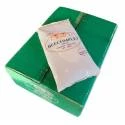 Beecomplet® Spring 14Kg
 Beekeeper suit with round veil
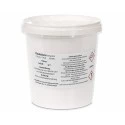 Oxalic acid 1kg
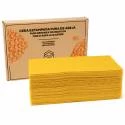 Beeswax Foundation 5kg
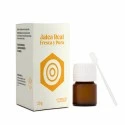 Fresh royal jelly 20g
 Classic honey jar 1kg comb-lines TO77 - Pack of 16 units
 Promotor L Apis 1 litre

 Share in WhatsApp
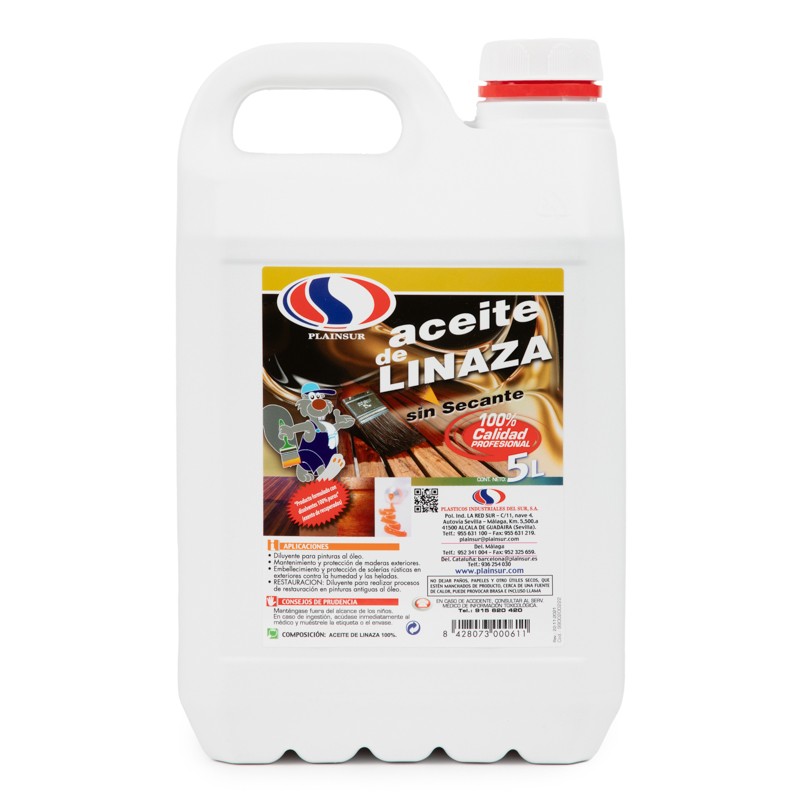
5 L CONTAINER | 0 DRIERS |
~40 HIVES | ≥ 175 IODINE VALUE |
Raw linseed oil, pressed from flax seed, with no driers and no additives, for protecting hive timber. Five-litre container, enough for around 40 hives.
Unlike a paint, which sits on top as a film and eventually flakes, the oil soaks into the grain and protects the wood from within. This one carries no added drier, and that is the decision that defines it: there is nothing in it to speed the drying, so you have to give it time.
01 · NO DRIERS
“Boiled” linseed oils sold for timber carry driers: metallic salts that speed up the oxidation so a coat is touch-dry in hours rather than days. They work, and they are a chemical additive. This one is raw oil with none, so it hardens on its own by reacting with the air, and it takes considerably longer to dry — the drawback that comes up again and again from the people who use it, and one to build into your plans before you start. Whether an oil hardens unaided is measured by its iodine value: drying oils sit above 130, and the iodine value of this one is at least 175. In exchange for the wait, what goes into the wood is oil and nothing else. If you work under organic certification, that absence of additives is exactly why it is of interest; that said, what you may use is your certification body's decision, so check with them before treating your equipment.
02 · HOW TO APPLY IT
It goes on straight onto clean, dry timber, with a brush. Do not sand it back to a polish: the open grain is how the oil gets in, and too fine a surface simply rejects it. Lay thin coats and let them soak; if oil is still sitting on the surface after a while, wipe it off before it goes tacky. New timber drinks a great deal on the first coat and much less on the second — that is how you tell when it has had enough.
The treatment goes on the outside. Inside there is no need: the colony ends up lining the walls with propolis and wax on its own, and that is the interior finish the hive wants.
03 · THIN IT OR NOT?
This is the question that comes up most, and the answer depends on what you are prioritising.
| Neat | What goes into the timber is linseed oil and nothing else. It soaks in more slowly and takes longer to dry, but you add nothing to the material. |
|---|---|
| Thinned | Cutting it with a compatible solvent makes it runnier and gets more penetration on the first coat; it is a well-known trick and it works. But the solvent goes into the timber with it: if you are under organic certification, that part has to be checked. |
04 · BEFORE YOU BUY
The five-litre container covers around 40 hives, a guide figure: new, unplaned timber takes far more than a box that has been treated before. Keep it closed, somewhere cool, between 5 and 30 °C. It is not food grade, and it carries one precaution that belongs to linseed oil in general rather than to this product: soaked rags heat up on their own as they oxidise and can catch fire. Spread them out in the open to dry, or put them in water before binning them — never balled up in a bucket. The full technical data sheet, in six languages, can be downloaded below.
| ✓ FITS | Treating the outside of timber hives, supers, roofs and floors, and going over them each season. |
| ✕ DOESN'T FIT | Working against the clock. With no drier the drying is slow; if you need the boxes tomorrow, this is not the product. |
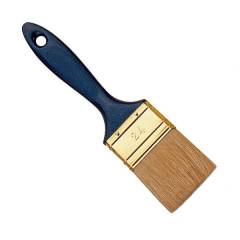
| ⚠ NOT INCLUDED | A brush. And it is not a paint: it protects and deepens the tone of the timber, but it does not colour or cover. |
| Product | Raw linseed oil, no driers |
|---|---|
| Source | Pressed from flax seed |
| Composition | 100 % linseed oil (CAS No. 8001-26-1) · no driers, solvents or additives |
| Iodine value (Wijs) | 175 minimum |
| VOC | 0 g/L |
| Format | 5-litre container · about 4.65 kg of oil (relative density 0.926–0.933 at 20 °C) |
| Coverage | Around 40 hives, a guide figure depending on how much the timber takes |
| Application | By brush, onto clean dry timber, on the outside |
| Drying | Slow, as it carries no driers · let it soak in and wipe off the surplus |
| Storage | Container closed, in a cool, dry, ventilated place, between 5 and 30 °C |
| Safety | Not classified as hazardous (CLP Regulation) · flash point above 60 °C |
| Food use | No: avoid contact with food |
| Precaution | Soaked rags can self-heat: dry them spread out or submerge them in water |
Specific References
1 file available

Write your question
check_circle
check_circle