 Apipasta with vitamins 15kg
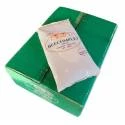 Beecomplet® Spring 14Kg
 Beekeeper suit with round veil
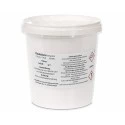 Oxalic acid 1kg
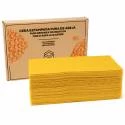 Beeswax Foundation 5kg
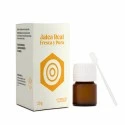 Fresh royal jelly 20g
 Classic honey jar 1kg comb-lines TO77 - Pack of 16 units
 Promotor L Apis 1 litre

 Share in WhatsApp
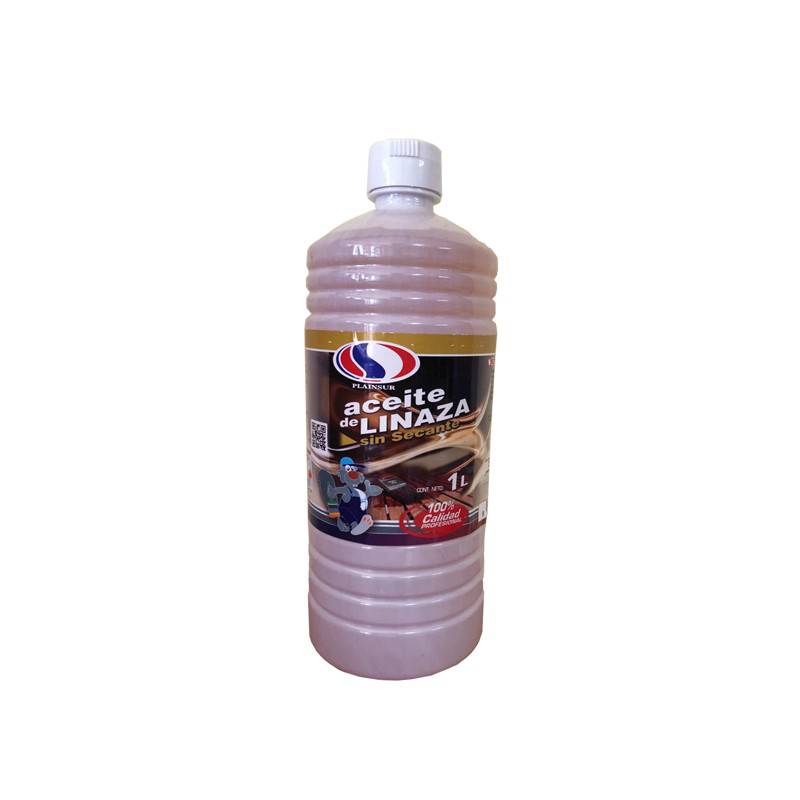
8 HIVES PER LITRE | 0 ADDED DRIERS |
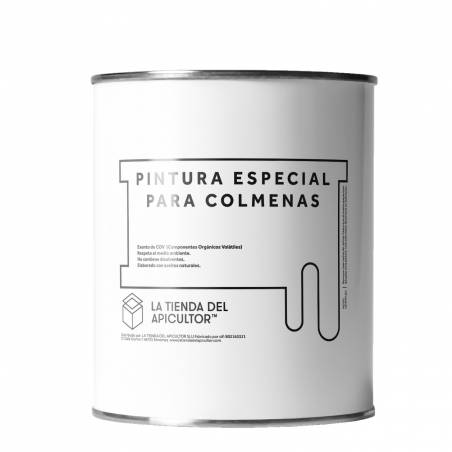
Raw linseed oil, no driers added, pressed from flax seed. The base protection for hive timber left out in the weather.
“No driers” is not a quality label: it is a warning about time. This oil takes days to cure.
01 · WHAT IT DOES TO THE TIMBER
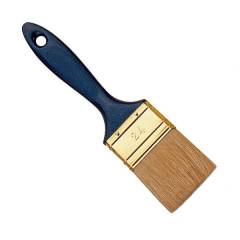
Paint sits on top; linseed oil penetrates the fibre and saturates it, so water finds the wood already occupied and struggles to get in. That is why it does not flake off like badly keyed paint: it wears away, and you top it up with another coat. It is the base protection hive timber leaves the factory with — the one that survives the warehouse and the journey — and also the base you paint over afterwards. On clean, dry new timber, one litre treats about 8 hives.
02 · NO DRIERS: IT DRIES SLOWLY
“Boiled” linseed oils carry metallic driers that speed up oxidation and leave them touch-dry in hours. This one is raw and additive-free, so it cures by natural oxidation: several days to weeks depending on temperature, humidity and film thickness. That makes it the choice for anyone who does not want additives in their hive equipment, and at the same time forces you to plan: it is winter workshop work, not the day before hiving. Apply it in thin coats by brush or dipping, let it soak for ten or fifteen minutes, and — this is what separates a good job from a sticky hive — wipe off the excess with a rag. Oil left on the surface never dries: it picks up dust and stays tacky for months.
03 · WHERE YES AND WHERE NOT
Its place is hive timber out in the weather: boxes, supers, floors, roofs and stands. On other exterior wood — fences, benches, tool handles — it works just as well. Where it is worth thinking twice is indoors on trafficked surfaces, such as a floor or a door: not because the oil is worse, but because curing so slowly the finish takes weeks before it can be used and marks with everything meanwhile; there are drier-formulated products for that. Do not apply it to damp timber or in the cold: below about 10 °C the cure practically stops.
RAGS: SPONTANEOUS COMBUSTION RISK
This is the warning to read even if you read nothing else. Linseed oil cures by oxidising, and that reaction gives off heat. A soaked rag balled up does not shed that heat: it warms itself and can catch fire with nobody putting a flame near it. It is a documented cause of workshop fires, and it happens over hours, not instantly. Never pile up or bin used rags: spread them outdoors on a non-combustible surface until they are stiff and dry, or submerge them in water in a closed metal container before disposal. The same goes for paper, disposable gloves and impregnated sawdust.
04 · BEFORE YOU BUY
It is a raw material: crude oil with no additives, no pigment and no solvent. The specific batch specification is the one on the container label. Keep the tin tightly closed — the oil oxidises inside too, and a half-used tin left open for months thickens. And one rule that saves regret: try it on an offcut first and look at the colour, because linseed oil darkens the wood and ambers a little more over time.
| ✓ FITS | Hive timber out in the weather: boxes, supers, floors, roofs and stands. |
| ✕ IT IS NOT | A paint or a fast-drying product: it cures in days, not hours. |
| ⚠ THE RAGS | They can self-ignite. Spread them outdoors or soak them in water before disposal. |
| LTA reference | 131313 |
|---|---|
| Product | Raw linseed oil, no driers |
| Source | Pressed from flax seed |
| Additives | None: no driers, no pigment, no solvent |
| Format | 1 litre |
| Coverage | About 8 hives per litre |
| Drying | Days to weeks depending on temperature and humidity |
| Application | Brush or dipping, thin coats, wipe off excess |
| Intended use | Protection of exterior timber |
| Storage | Container tightly closed |
Specific References
1 file available

Sorry, no results found.
Write your question
check_circle
check_circle