 Apipasta with vitamins 15kg
 Beecomplet® Spring 14Kg
 Beekeeper suit with round veil
 Oxalic acid 1kg
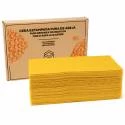 Beeswax Foundation 5kg
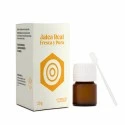 Fresh royal jelly 20g
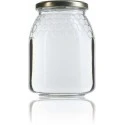 Classic honey jar 1kg comb-lines TO77 - Pack of 16 units
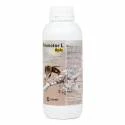 Promotor L Apis 1 litre

 Share in WhatsApp
A dry bearing eventually becomes noisy, develops play, and puts excessive strain on the extractor's rotation.
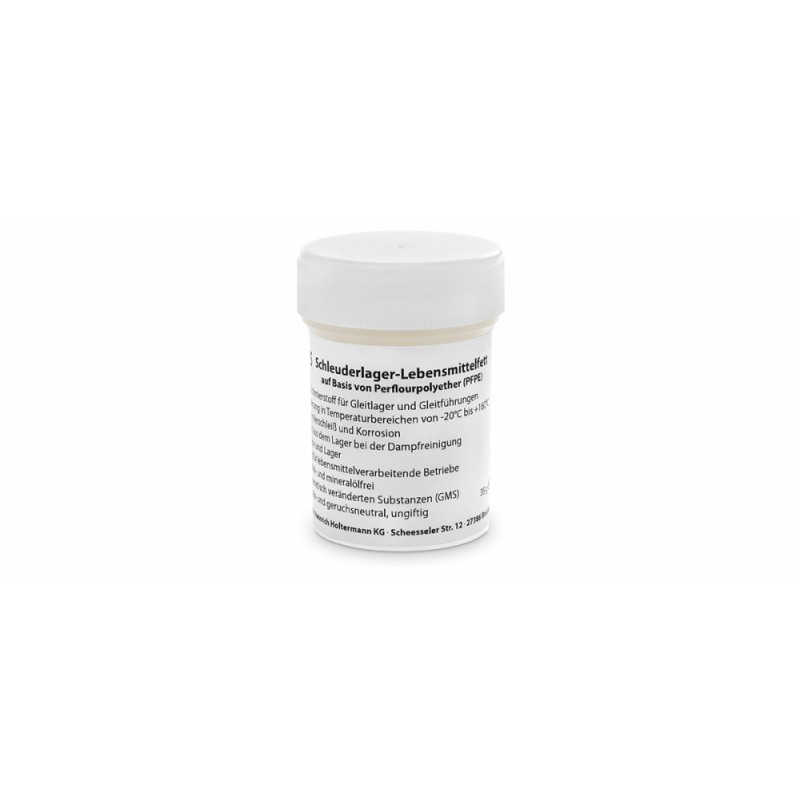
This grease comes in a 20g container, and the product information indicates it is for the maintenance of bearings and parts that may have incidental contact with honey.
01 · USE
First, clean off the old grease and dirt, dry the area, and apply a thin film where indicated in the manual. Excess grease can trap dust, be ejected during rotation, or end up where it shouldn't.
02 · MAINTENANCE
Perform the inspection with the extractor empty and disconnected. Turn it by hand, check for noises and play, remove any grease residue from the contact surfaces, and clean again before processing honey.
03 · BEFORE YOU BUY
| ✓ FITS | Bearings and pivot points on extractors and honey-room machinery. |
| ✕ DOESN'T FIT | Reviving a bearing with play in it: grease quietens it, it does not repair it. |
| ⚠ NOT INCLUDED | Grease gun or spare parts. |
⚠ PRECAUTIONS
Check material and access. Before disassembly, identify whether the bearing is open, sealed, or part of a gearbox. A sealed bearing should not be greased from the outside; forcing it can damage seals or introduce contamination.
| Product | Maintenance grease for extractors |
|---|---|
| Format | 20 g |
| Intended use | Bearings and mechanical points with possible incidental contact with honey |
| Application | Thin layer on clean, dry area |
| Caution | Follow the equipment manual; do not open sealed bearings |
Data sheet

Write your question
check_circle
check_circle