 Apipasta with vitamins 15kg
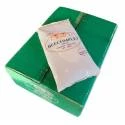 Beecomplet® Spring 14Kg
 Beekeeper suit with round veil
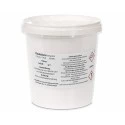 Oxalic acid 1kg
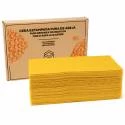 Beeswax Foundation 5kg
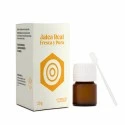 Fresh royal jelly 20g
 Classic honey jar 1kg comb-lines TO77 - Pack of 16 units
 Promotor L Apis 1 litre

 Share in WhatsApp
8 L SACK | 1-3 cm STONE SIZE |
~4 HIVES PER SACK | Volcanic NATURAL POROUS GLASS |
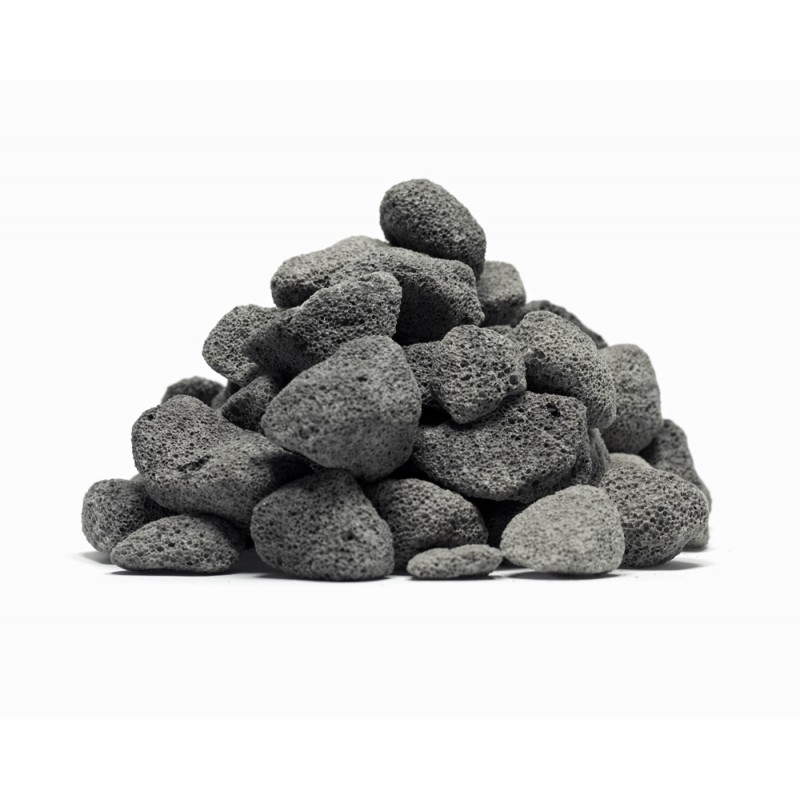
Stones that float on the syrup and form a raft where the bees land to drink without drowning.
Natural volcanic glass, porous — which is why it floats — in an 8-litre sack with stones of 1 to 3 cm. They work with syrup and with water.
01 · HOW TO USE THEM
You open the feeder to top up the syrup and find bees stuck and drowned on the surface. These stones stop a good part of that: they go in the bottom of the feeder or the waterer before adding the liquid and, as it fills, they rise and form a floating raft for the bees to land on and drink from. They are made of natural volcanic glass, with a surface full of pores —that porosity is what keeps them afloat— and come in an 8-litre bag with stones of 1 to 3 cm.
02 · HOW MANY YOU NEED
Look at the bottom of your feeder, not its capacity. Since the stones float and rise with the level, what you must cover is the surface of the liquid, not the volume: a narrow 5 L bucket uses far fewer stones than a wide tray feeder of the same capacity. That is why the yield per bag —around 4 colonies— is a guide, depending on the container. The practical rule comes from the manufacturer: cover the bottom completely before pouring in the syrup. If gaps of open liquid are left between the stones once it fills, you are short.
03 · DO YOU NEED THEM?
Before buying: does your feeder leave an open surface of liquid the bees can reach? If it does —feeder bucket, top or tray feeder, waterer, field drinker— the stones help. If it already has its own float or ribbed inner walls, access is sorted from the factory and the stones add nothing; check yours first, because not every frame feeder has one. In entrance or inverted-jar feeders there is no open surface to drown in: not needed either. They work with syrup and with water: off-season they move to the waterer, which in a dry summer works as hard.
04 · BEFORE YOU BUY
The old workaround —straw, twigs, cork, bottle tops or polystyrene— works, but has its catch: straw and wood soak through and ferment in the syrup, and anything very light gets pushed aside by the bees or blown away in the open air. The stone has just the right weight: it floats, but it does not blow away. And since it neither softens nor breaks down in the liquid, it is reused season after season. The manufacturer states that they normally need no cleaning after use; if you prefer, rinse them with water before storing.
| ✓ FITS | Bucket, roof or tray feeders, drinkers and waterers: anywhere with an open surface. |
| ⚠ THEY REDUCE, NOT ELIMINATE | There is always liquid showing between stones. Coverage is what makes the difference: a full layer. |
| LTA reference | BR-25225 |
|---|---|
| Product | Floating stones of natural volcanic glass |
| Packaging | 8-litre sack |
| Size | 1 to 3 cm |
| Weight | 2 kg |
| Yield | Indicative: about 4 hives · depends on the container's floor |
| Rule of use | Cover the floor completely before adding the liquid |
| Uses | Syrup and water · feeders, drinkers and waterers |
| Reuse | Season after season · rinse before storing if preferred |

check_circle
check_circle