 Apipasta with vitamins 15kg
 Beecomplet® Spring 14Kg
 Beekeeper suit with round veil
 Oxalic acid 1kg
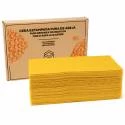 Beeswax Foundation 5kg
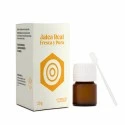 Fresh royal jelly 20g
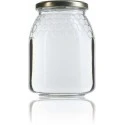 Classic honey jar 1kg comb-lines TO77 - Pack of 16 units
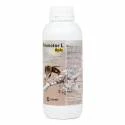 Promotor L Apis 1 litre
- Made in 🇫🇷

 Share in WhatsApp
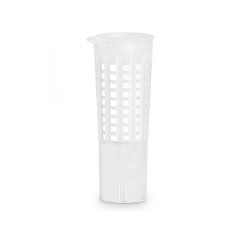
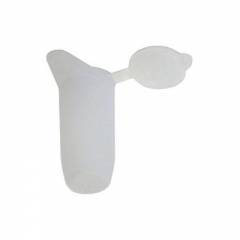
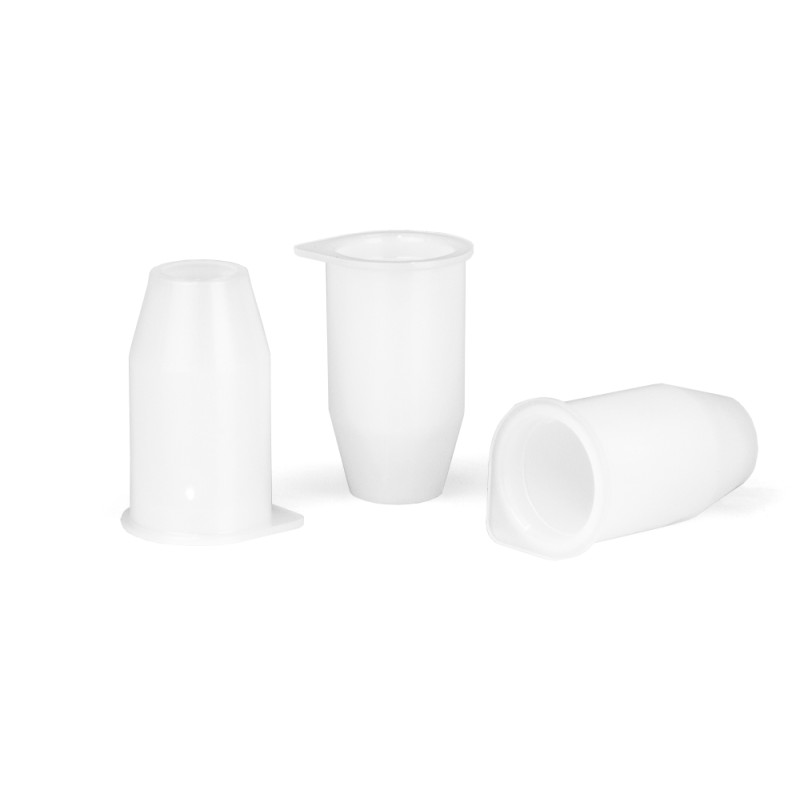
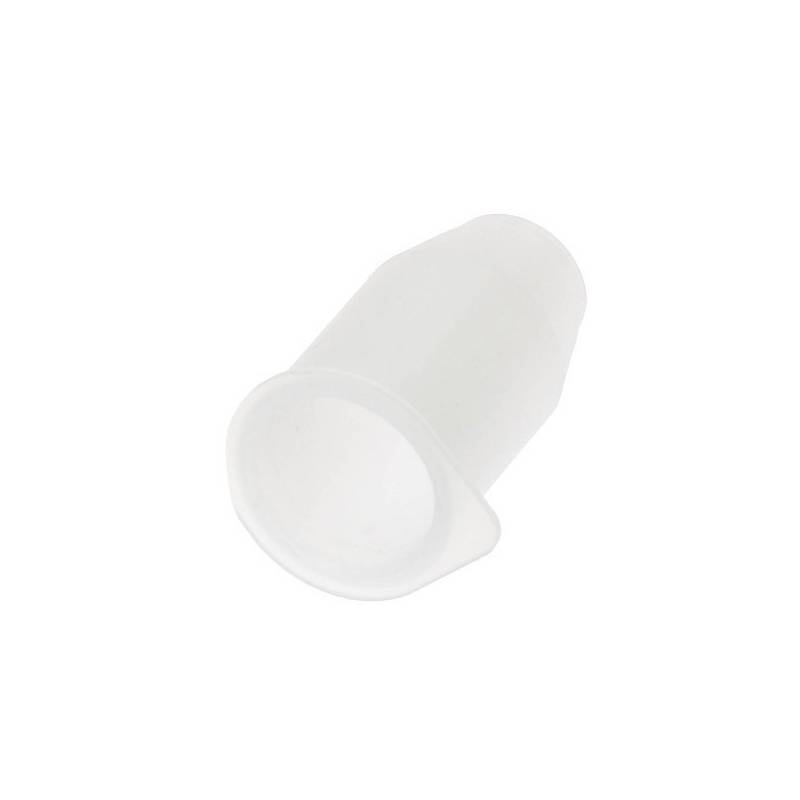
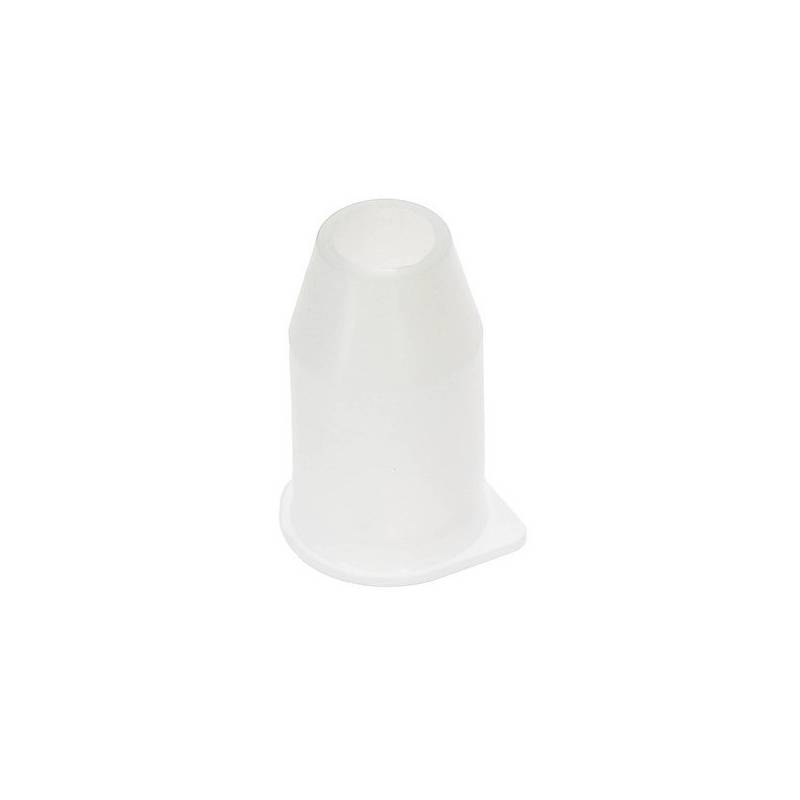
Clear tube that shields the queen cell along its sides until she emerges, for introduction into a queenless colony or a mating nuc.
Queen cells almost always get attacked from the side. This tube covers those sides and still lets you see the cell without opening anything, because the plastic is clear and non-porous.
01 · HOW IT IS USED
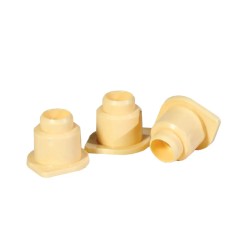
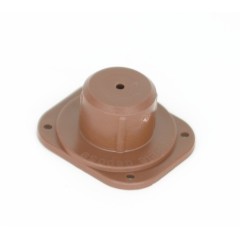
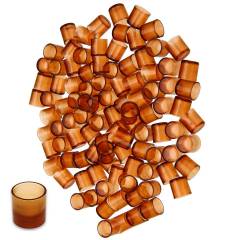
Mount the sealed queen cell in its cell cup and holder, and put that assembly into the tube. Then slide the tube between two frames of a queenless colony or a mating nuc. If it faces hours of travel, a drop of honey in the cap feeds her. From there the work is watching: the clear plastic lets you follow the state of the cell without pulling the frame every other day.
02 · QUEEN REPLACEMENT
Its other use is replacement in a single operation: introducing the protected cell without taking the old queen out first, and letting the colony decide. For that method the manufacturer quotes a success rate of around 50 % with one-year-old queens, and it depends heavily on the season — take it as an order of magnitude, not a guarantee. What it does remove is the risk of ending up with neither a queen nor a cell.
03 · BEFORE YOU BUY
| ✓ FITS | NICOT® cell cup and holder; between two frames of any hive. |
| ⚠ NOT INCLUDED | The holder, the cup or the cell. The tube protects, but on its own it does not hold the cell. |
| Function | Shielding the sides of the queen cell until emergence |
|---|---|
| Material | Clear, non-porous food-grade plastic |
| Compatibility | NICOT® cell cup and holder |
| Placement | Between two frames of a queenless colony or mating nuc |
| Feeding | A drop of honey in the cap for transport |
| Cleaning | Non-porous: scrape and wash without residue clinging |
Data sheet
1 file available

check_circle
check_circle