 Apipasta with vitamins 15kg
 Beecomplet® Spring 14Kg
 Beekeeper suit with round veil
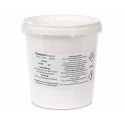 Oxalic acid 1kg
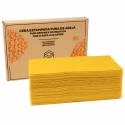 Beeswax Foundation 5kg
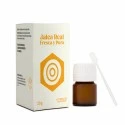 Fresh royal jelly 20g
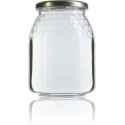 Classic honey jar 1kg comb-lines TO77 - Pack of 16 units
 Promotor L Apis 1 litre




 Share in WhatsApp
45.9 % CRUDE PROTEIN | 10 ESSENTIAL AMINO ACIDS |
2 brood cycles WHILE NO POLLEN IS COMING IN (ABOUT SIX WEEKS) | 2.25 kg OF PATTY PER KILO OF POWDER |
Protein concentrate in powder form with 45.9 % crude protein and the ten essential amino acids: knead it with syrup to make the patty, dissolve it in thick syrup, or feed it dry.
It is not a ready-made patty: it is the concentrate you make one with. The maker's recipe gives a 20 % protein patty, the upper end of what works well; if you change it, go down (more syrup, 12-15 % patties to keep colonies ticking over), not up: more powder does not improve it, and excess protein takes its toll on the bee.
01 · WHY PROTEIN
The first change is in the jelly nurse bees give the young larvae, and it shows the day after the patty goes on; new bees take two brood cycles to come through, about six weeks, so keep topping up while no pollen is coming in and the larvae are short of jelly. A single patty does not do the job, and eating is not growing: in the heat, the patty keeps the brood going, and the build-up comes once it cools down or some pollen comes in.
02 · WHAT IS IN IT
Protein from maize gluten, wheat, distillers grains and inactivated yeasts, with malt. It declares the ten essential amino acids and it is acidified, close to the pH of honey. The powder is fine, and that counts as much as the percentage: most of the pollen grains a bee collects are under 50 microns, and the bees carry coarse particles out of the hive instead of eating them.
03 · HOW TO PREPARE IT
Proportions are the maker's; olive oil will not do, as bees find it unpalatable.
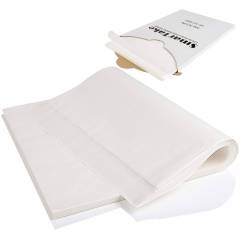
| Patty · 450 g | 200 g of powder + 200 ml of 2:1 syrup + 15 g of vegetable oil. Knead it and flatten it to a finger's thickness; baking paper is only for handling: the side facing the bees goes on bare |
|---|---|
| Liquid | 1 kg in 15 L of thick syrup, breaking up every lump so it stays in suspension. Taken faster, but protein drops to 3-4 %: it sustains, it does not start brood |
| Dry | In an open feeder in the apiary, out of wind and rain, breaking the crust daily. The most hit-and-miss of the three: some colonies take it by the bucketful, others in the same apiary ignore it. A spring back-up while bees are flying; in autumn, patty |
The patty goes on the top bars over the brood, centred and touching the cluster: more than four fingers' width from the brood and they leave it alone. On double brood, between the two boxes; never in an empty super or on the feeder, and if the cluster moves up, the patty follows. In nucs and weak colonies, 200-250 g patties: eaten sooner, they do not ferment or get wax moth. Check every week to ten days: top up when less than half is left, remove anything dried out away from the cluster, and stop if pollen comes in or the cold halts feeding.
04 · WHEN
In autumn, when the field dries up, so the winter bees can build up their fat bodies: that decides the cluster you will have in February. Coming out of winter, only with a purpose (migratory beekeeping, an early flow) and giving space: pushing them on without one ends in a swarm. In newly made nucs, and when the field fails: drought, little in flower, poor pollen or Asian hornets keeping the foragers in. And note: bees do not need patties all year round; if pollen is coming in (varied in spring, heather or ivy in autumn), skip it. Before buying, check a hive's youngest larvae: swimming in jelly, no need; thin jelly, patchy brood or larvae going missing, time to feed. A colony rearing drones in September needs no protein; a queenless one will not touch the patty.
⚠ PRECAUTIONS
Do not feed with honey supers on the hive or during a flow: whatever goes up into the super ends up in the honey you are going to jar. It is a complementary feed: it provides protein and micronutrients, but it cures nothing, it does not replace varroa control, and it will not turn a colony without bees into a strong one.
05 · BEFORE YOU BUY
| 2 kg | About 10 patties, or 30 L of liquid feed: to try it out, one or two hives on the full programme |
|---|---|
| 20 kg | About 100 patties. A strong colony with no pollen coming in eats one 450 g patty a week, and an autumn programme runs to about 5-10 per hive: enough for 10-20 hives, or twice as many nucs |
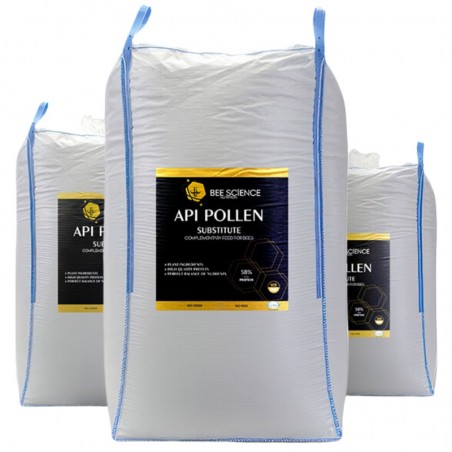
| 680 kg | Palletised big bag, about 3,400 patties. The professional format |
| ✓ FITS | Beekeepers who prefer to formulate their own patty and set the protein level. |
| ✕ DOESN'T FIT | Open-and-place convenience: ready-made patties are there for that. |
| ⚠ NOT INCLUDED | Syrup or vegetable oil. You mix the patty yourself. |
| Type | Complementary feed for bees, in powder form |
|---|---|
| Crude protein | 45.9 % |
| Other components | Crude fat 4.5 % · crude fibre 2.8 % · crude ash 3.4 % · sodium 0.2 % |
| Composition | Maize gluten, wheat protein, dried distillers grains and solubles, inactivated yeasts and malt |
| Amino acids | The 10 essential ones for the bee |
| Preservatives | Citric acid (E-330) 32,000 mg/kg · potassium sorbate (E-202) 6,600 mg/kg |
| Free from | Soya, animal-derived ingredients, artificial colours and flavours. Non-GMO raw materials |
| Patty recipe | 200 g powder + 200 ml 2:1 syrup (≈ 235 g) + 15 g vegetable oil = 450 g at ≈ 20 % protein |
| Liquid feeding | 1 kg in 15 L of thick syrup (protein 3-4 %) |
| Formats | 2 and 20 kg bags · 680 kg big bag |
| Storage | Cool and dry, protected from light and damp. Close the bag after opening |
| Shelf life | 3 years sealed and kept dry · made in the European Union |
1 file available

The ultra-fine particle size of Megabee is a key factor for optimal bee assimilation, while also making it easier to prepare protein patties and dilute it with syrup (very good absorption). Better assimilation also means fewer residues at the bottom of the hives, providing a better return on investment.
All raw materials have been carefully selected to ensure high palatability for bees. We are proud to present the final formula, which we have perfected over nearly five years: 46% crude protein, GMO-free, soy-free, and free of animal-derived ingredients.
Megabee helps stimulate colony development (better brood, improved royal jelly production…), supports them in times of stress (lack of environmental resources), and helps them prepare for winter (fat reserve development => longevity and vitality).
It is a premium product that will make a visible difference in your hives!
Write your question