
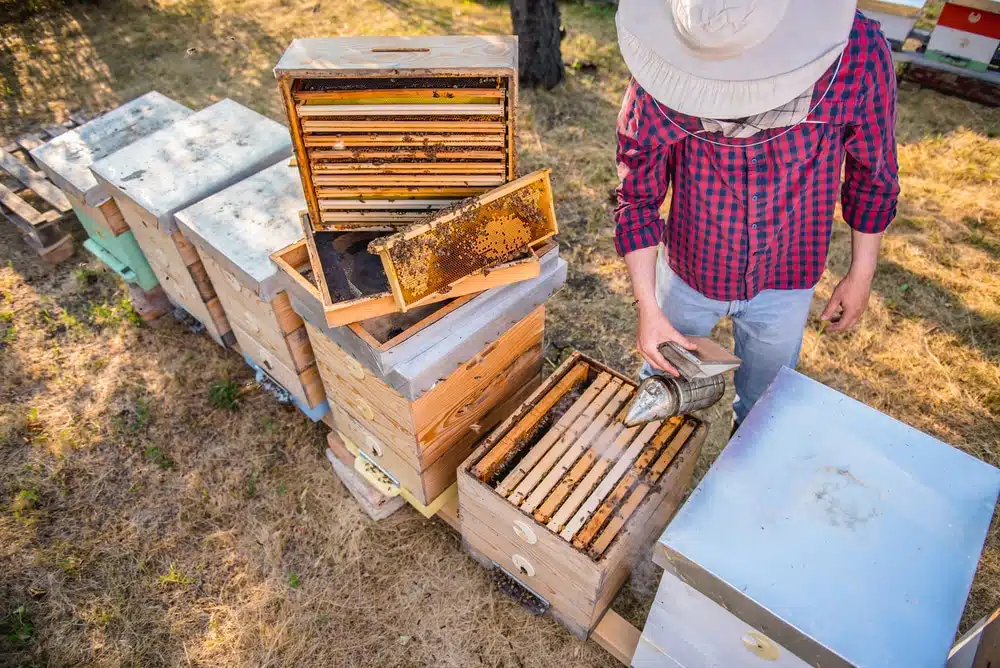
Start learning before you get bees. In many temperate regions, winter is a useful time to study, and spring is often a suitable time to establish your first colony. These are two different steps: preparation comes first, then practical work when local weather, forage and support are suitable. A spring colony still needs care; it does not thrive automatically. This seasonal guide is a starting point, not a fixed calendar for every climate.
A seasonal plan for beginners
| Season | What to do | Why |
|---|---|---|
| Winter | Train. Read, take an introductory course and talk to local beekeepers | Winter often leaves more time for preparation, although bees remain active inside the hive |
| Spring | Get started at the apiary. Establish your first colony when local conditions are suitable | A developing colony can benefit from spring forage, but still needs timely checks and care |
| Summer | Build practical experience with support from a mentor | Timing varies locally; a late start can leave less time to prepare for winter |
| Autumn | Seek experienced help before taking on a colony | A small, newly established colony may struggle to build strength and stores before winter |
More and more people are interested in beekeeping, as a hobby or as a business, and the question repeats itself: what is the best time to start? The answer has two parts, and it is important not to mix them.
Good beekeeping starts with good timing
A beekeeper needs to prepare before the busy part of the season. Think of a musician rehearsing before a concert: it helps to understand the basics before you have living colonies depending on your decisions. You can start learning at any time of year; the important point is not to buy bees first and leave all the preparation until later.
Use the quieter season to build your knowledge
In regions with a cold winter, there are usually fewer opportunities to open hives, making it a useful period for reading, courses and planning. Honey bees do not simply become inactive: the colony remains alive and maintains warmth within the hive. Local beekeepers can help you understand the seasonal workload and prepare your equipment before bees arrive.
Looking after bees and their surroundings
Keeping bees brings responsibilities beyond buying a hive. Learn about Varroa and other bee-health problems, the availability of forage and the risk of pesticide exposure in the surrounding area. Good intentions do not replace informed management: ask questions, keep learning and take the health of your colonies and their environment seriously.
Getting your first bees in spring
After some preparation, spring is often a practical time to get your first bees in a temperate climate. Have suitable hives ready and agree the timing with a reliable local supplier or mentor. Weather and flowering matter more than a calendar date. Taking on an established colony is different from trying to build up a small swarm late in autumn, when it may have little time to prepare for winter.
The importance of training and knowledge
Combine reading and a beginners’ course with supervised work at a hive. Theory helps you understand what you see; hands-on practice develops handling skills and judgement. A local association or mentor can help you gain experience before you invest in bees and equipment. Learning continues after your first season.
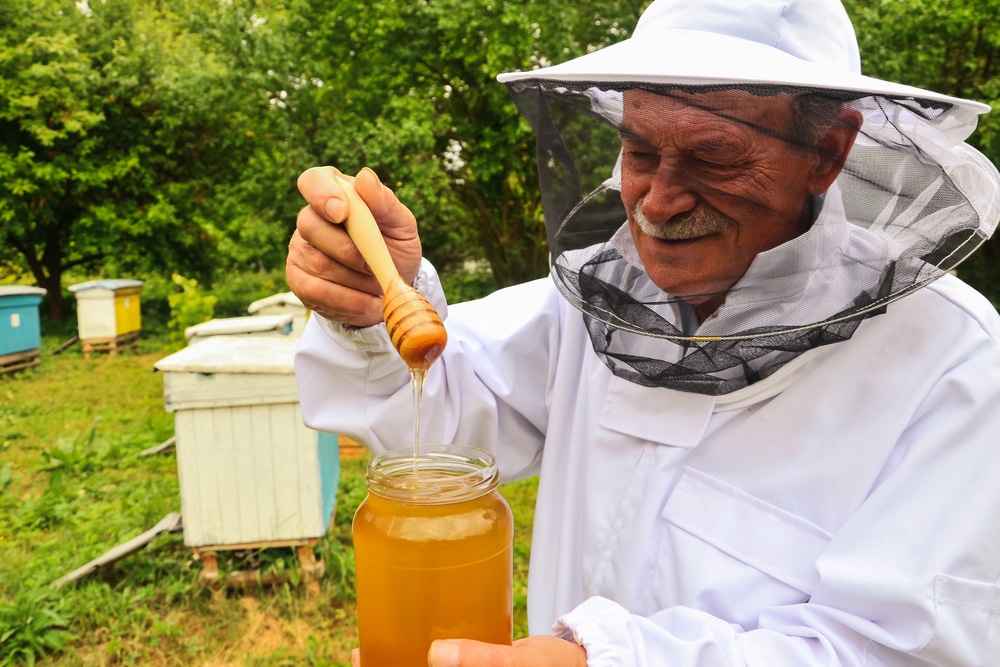
Enjoy learning to keep bees
Beekeeping can be rewarding, especially when you enjoy observing how a colony changes through the year. You do not need to know everything at the outset, but you do need time, preparation and a willingness to ask for help. Build your confidence steadily, learn from experienced beekeepers and make good care of your colonies the priority.
Frequently asked questions
What is the best time to start beekeeping?
You can start learning at any time. In many temperate regions, winter suits preparation and spring often suits getting your first bees. Confirm the timing with local beekeepers and be ready to care for the colony from the outset.
Can I start in autumn?
It can be possible with suitable bees and experienced support, but a small new colony may have too little time to build strength and stores before winter. An established colony and a newly collected swarm are different starting points. Seek local advice before buying or collecting bees late in the season.
Why is winter good for training?
In cold-winter regions, fewer hive inspections often leave more time for study, courses and preparing equipment. It is not the only time you can learn, and bees still need appropriate care through winter.
Is theoretical training necessary, or is practice enough?
Use both. Reading and a course help you understand colony biology, while supervised inspections develop practical skills. Knowing why a method is used matters as much as copying its steps.
What responsibilities does a beekeeper have today?
Learn to manage bee health, understand local forage and be aware of pesticide exposure and other pressures. Keeping colonies responsibly requires continued learning, observation and appropriate care.
Continue reading
- How to become a beekeeper, a guide to getting started.
- Essential beekeeping equipment, what you need before getting bees.
- Beginner mistakes to avoid.
- Choosing an apiary site, before your bees arrive.

ISNI 0000 0005 1801 1100 | Joshua Ivars is the manager of LA TIENDA DEL APICULTOR and the author of this blog, where he shares technical and practical guidance for beekeepers. Drawing on extensive experience in the beekeeping sector, he offers advice and solutions based on beekeepers’ real needs, sharing his knowledge of equipment and essential beekeeping practices.


