

How to become a beekeeper: what beekeeping is and how to start from scratch

Beekeeping is the keeping and management of honeybees to produce honey, pollen, propolis or wax and to provide pollination. Learn what the main terms mean, what you need to begin, how many hives to start with, where to site them and which registrations are required in Spain.
Drone-laying colonies: identify the cause and choose a remedy
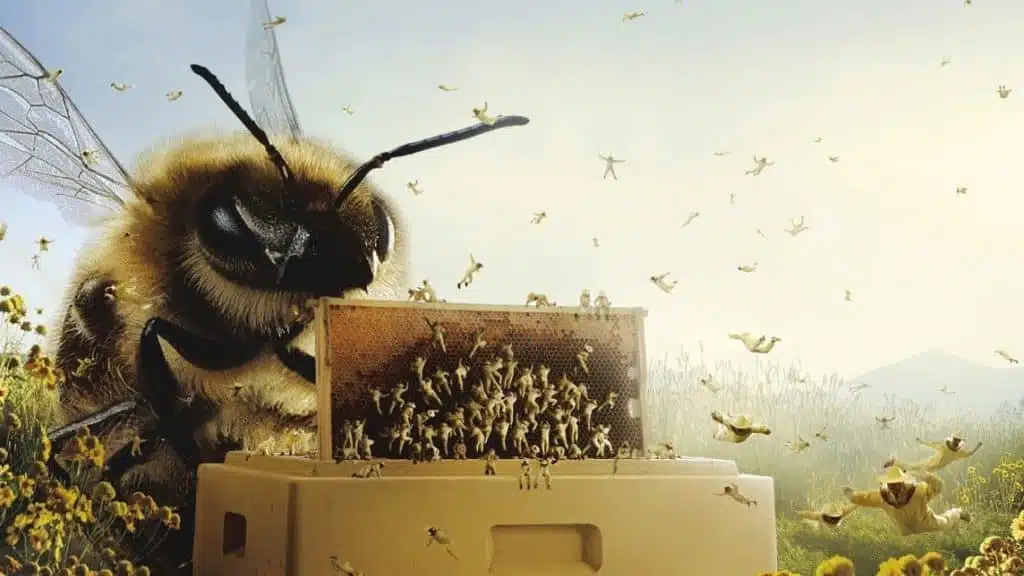
Distinguish laying workers from a drone-laying queen, assess whether a colony is worth rebuilding, and understand the limits of brood donation, requeening and uniting.
Nosemosis: what it is, how to detect it and how to act
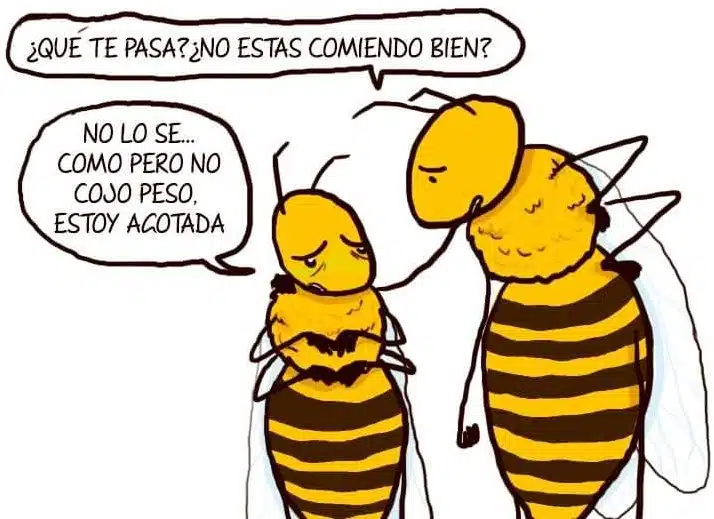
Nosema destroys the intestinal wall of the honeybee and prevents it from assimilating nutrients. Its spores are present in 70 % of Spanish apiaries without causing harm: it is a stressful factor that triggers mortality. How to differentiate it from varroa and starvation, and what to do.
How to collect a honey bee swarm safely
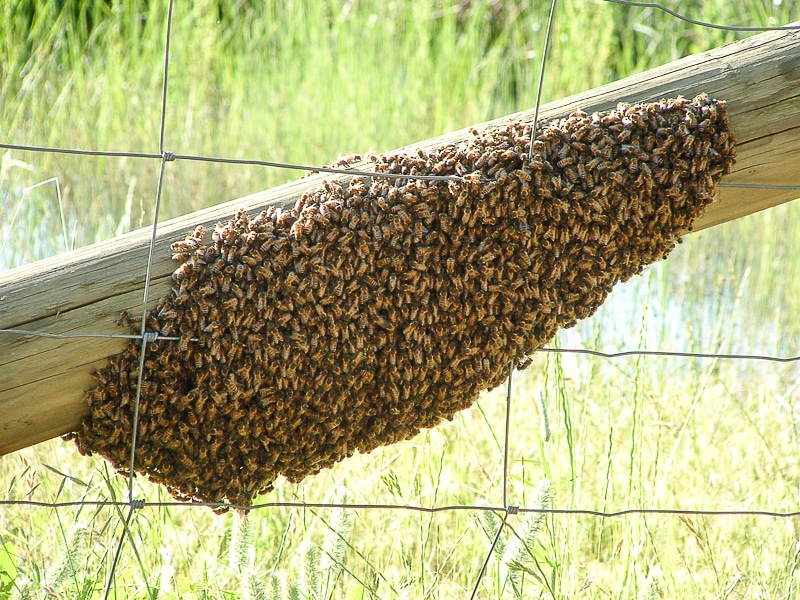
Understand swarming, assess the risks, collect an accessible cluster and settle it into a hive. Practical advice on protection, the queen and colony health.
How to catch a swarm of bees
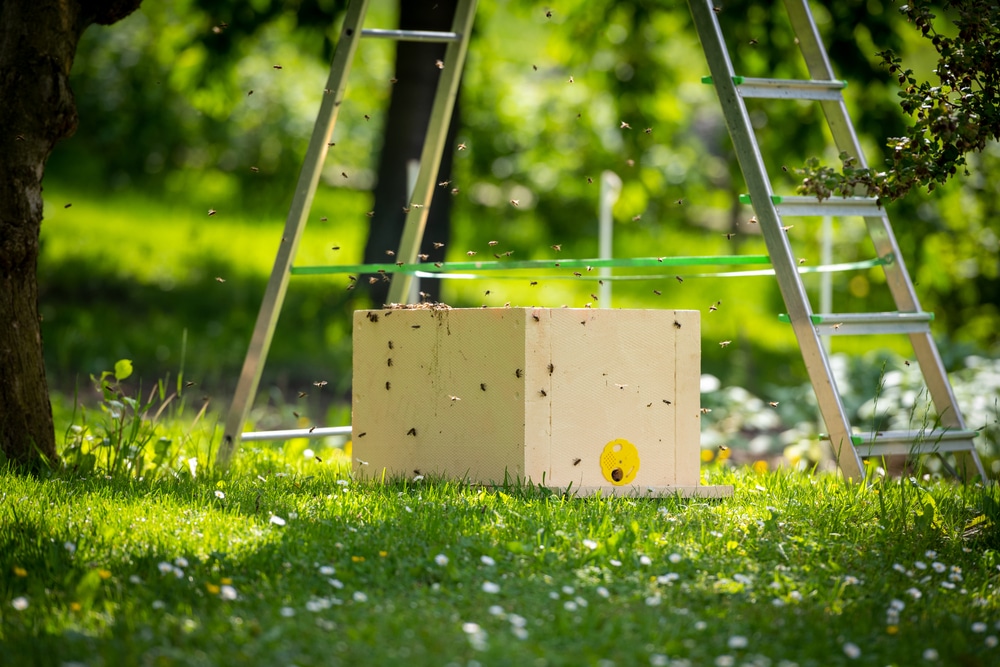
Learn when honey bees swarm, how experienced beekeepers collect accessible clusters, and when bait hives or specialist colony removal are appropriate.
Bee packages: what they are and how to install one
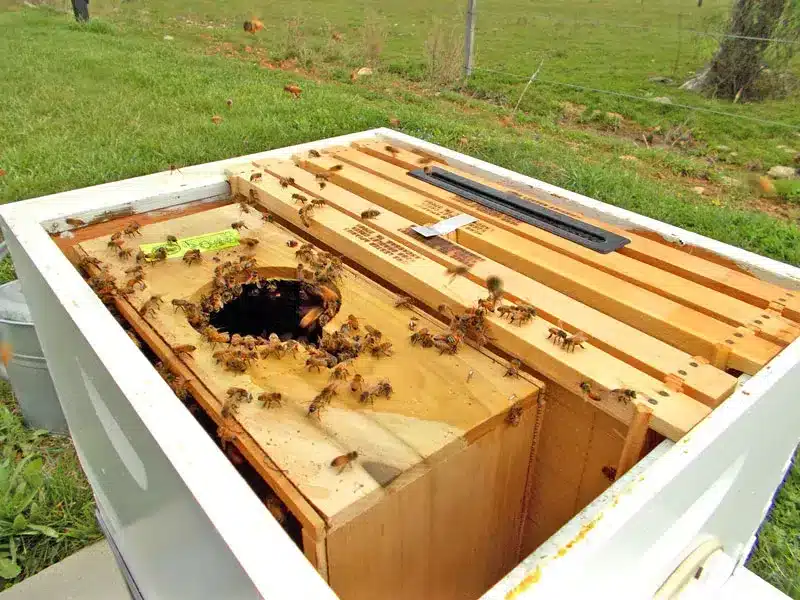
Learn how bee packages differ from nucleus colonies, how to care for them on arrival, and how to install one with suitable queen release, feeding and follow-up.
The best time to start beekeeping
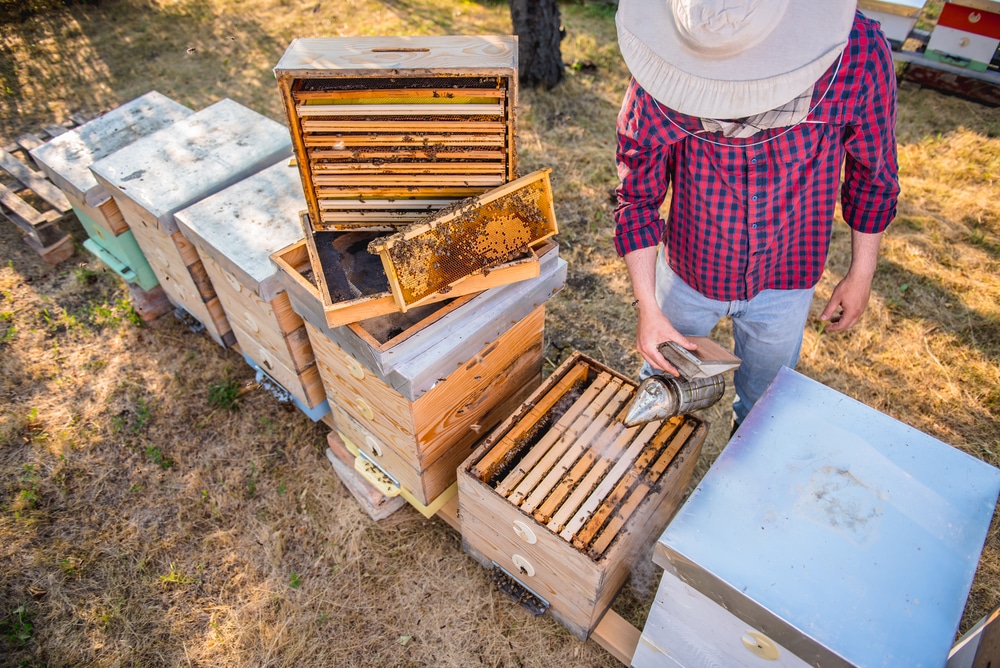
Start learning before you get bees. Find out why winter often suits preparation, when spring is a good starting point and how local conditions shape your plans.
Royal jelly: what it is and how to produce it
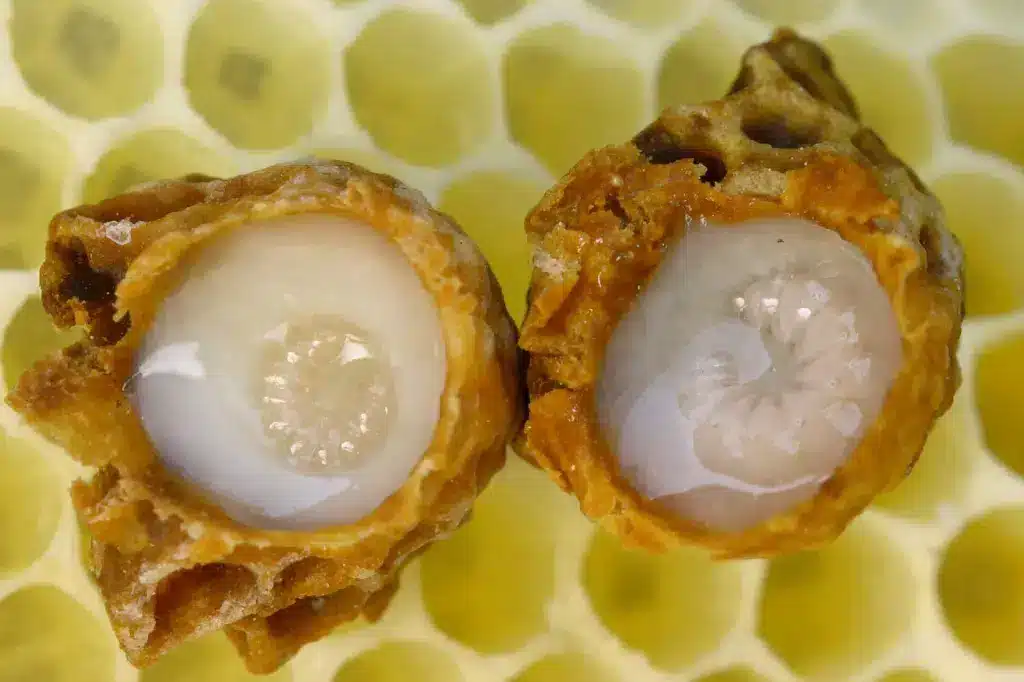
What royal jelly is, which glands produce it and how its production is organised in the apiary, from larval grafting to storage.
Requeening: when to replace a queen and why
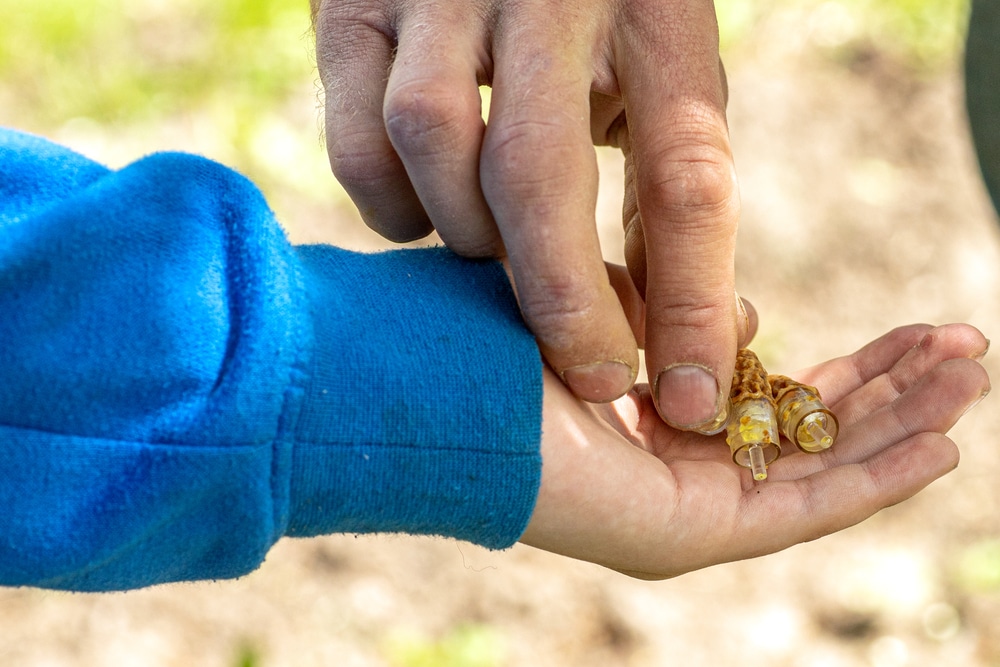
Learn how to assess a queen from the brood pattern, rule out other causes of poor brood development and decide whether annual or two-yearly requeening suits your apiary.
How to find the queen bee—and when you do not need to
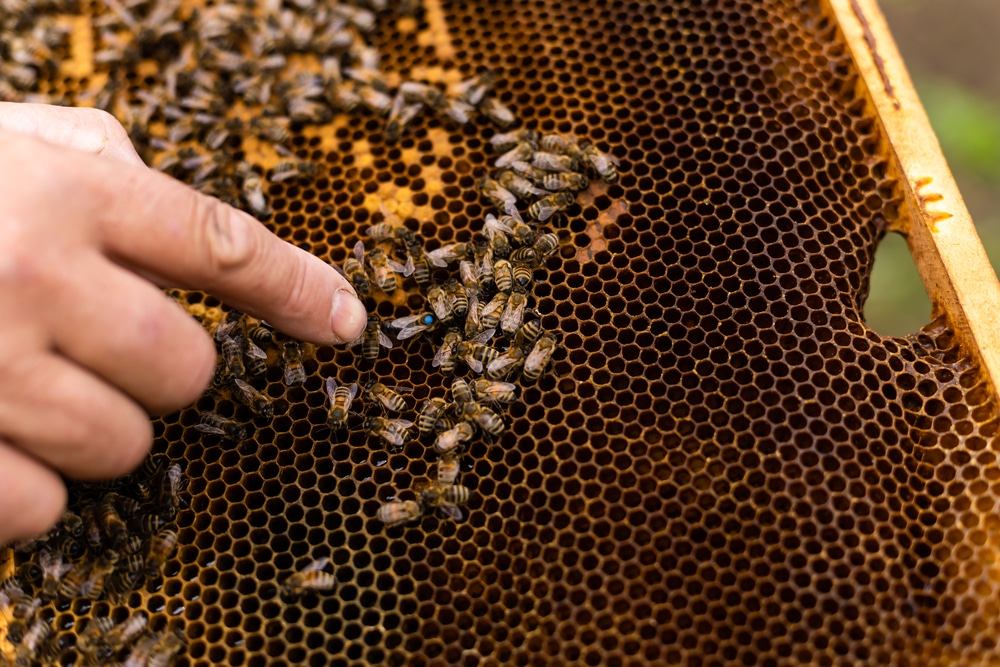
Learn when you need to find the queen, how to search calmly and what eggs and brood can tell you. Practical advice for routine inspections, splits and requeening.
Preparing the apiary for winter: the complete checklist
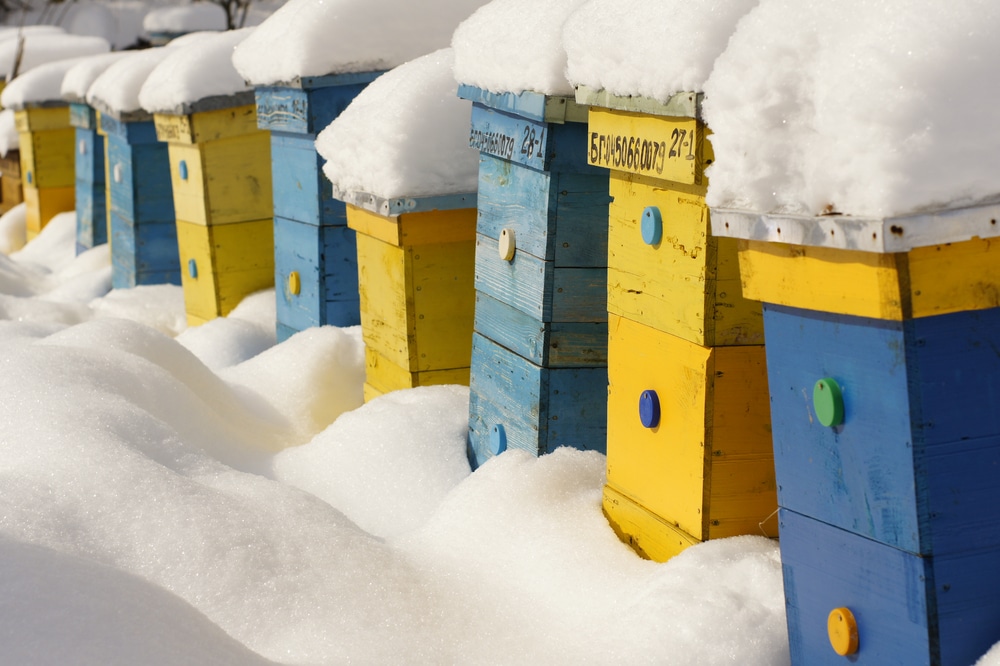
Prepare colonies for winter with accessible food stores, healthy winter bees, a functioning queen and timely Varroa control. A practical checklist adapted to local conditions, with guidance on feeding, hive space, shelter and monitoring.
Adding honey supers to Layens hives: is it worthwhile?
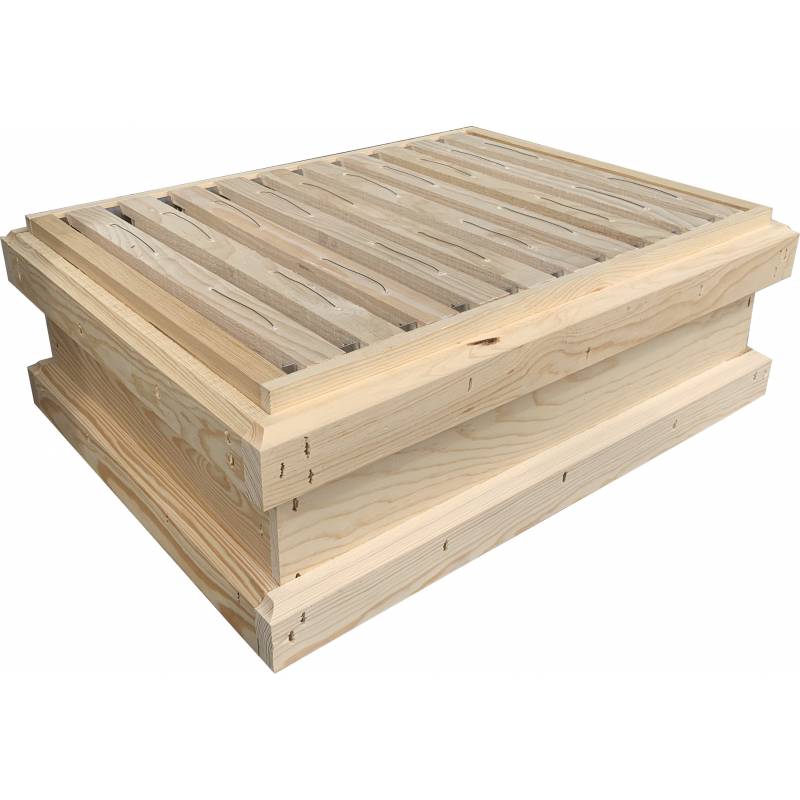
Honey supers can help adapt a Layens apiary without replacing every hive. Check compatibility, colony strength and nectar flow, and change your management to make them useful.
Essential beekeeping equipment: what you need at the apiary
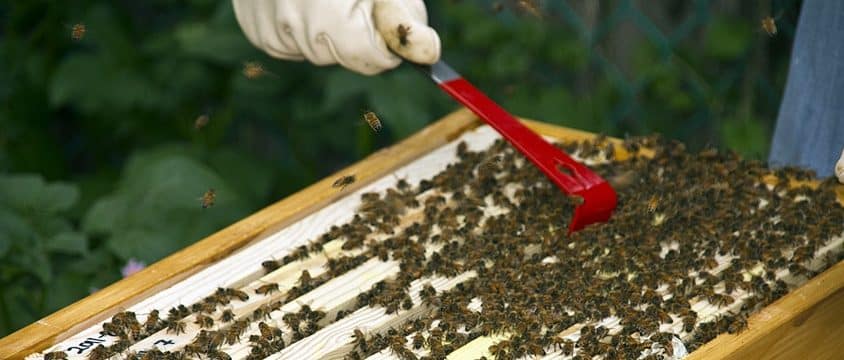
A practical guide to protective clothing, gloves, smokers, hive tools, brushes and hive components, with sensible buying advice for your first apiary visits.
Queen cells: emergency, supersedure or swarming?
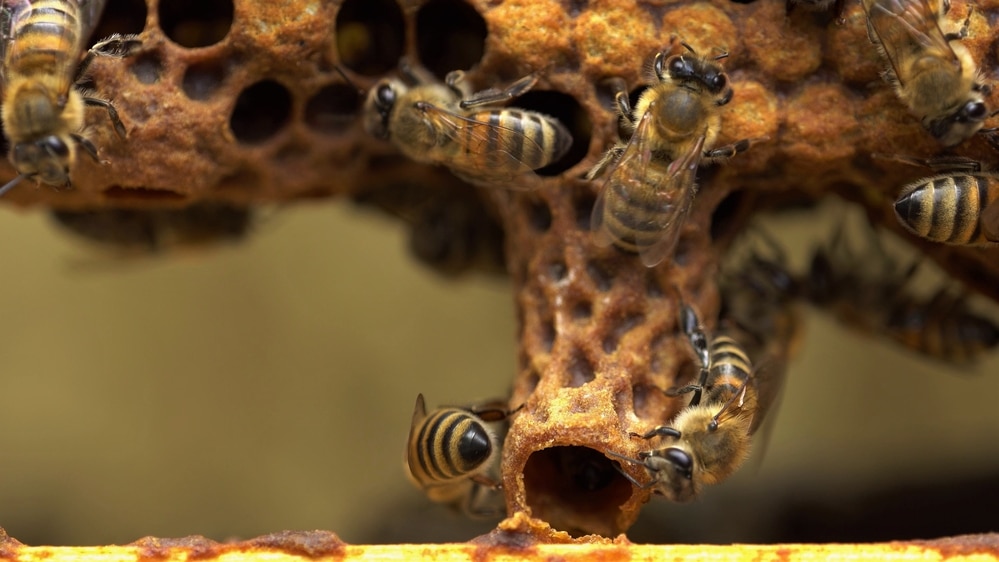
Learn to interpret emergency, supersedure and swarm cells using the queen, brood and colony history, and understand why cutting out every cell can be a mistake.
Which beehive should you choose? Layens, Langstroth and Dadant
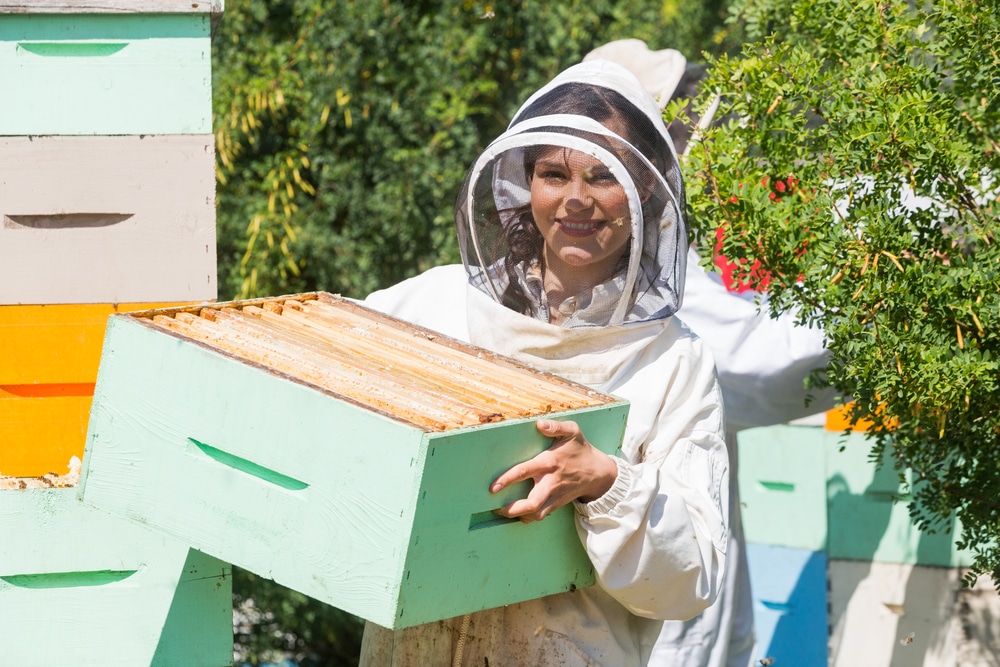
Compare Layens, Langstroth and Dadant hives: brood space, supers, frame compatibility, harvesting and handling. Choose a system that suits your bees, local support and plans.


