
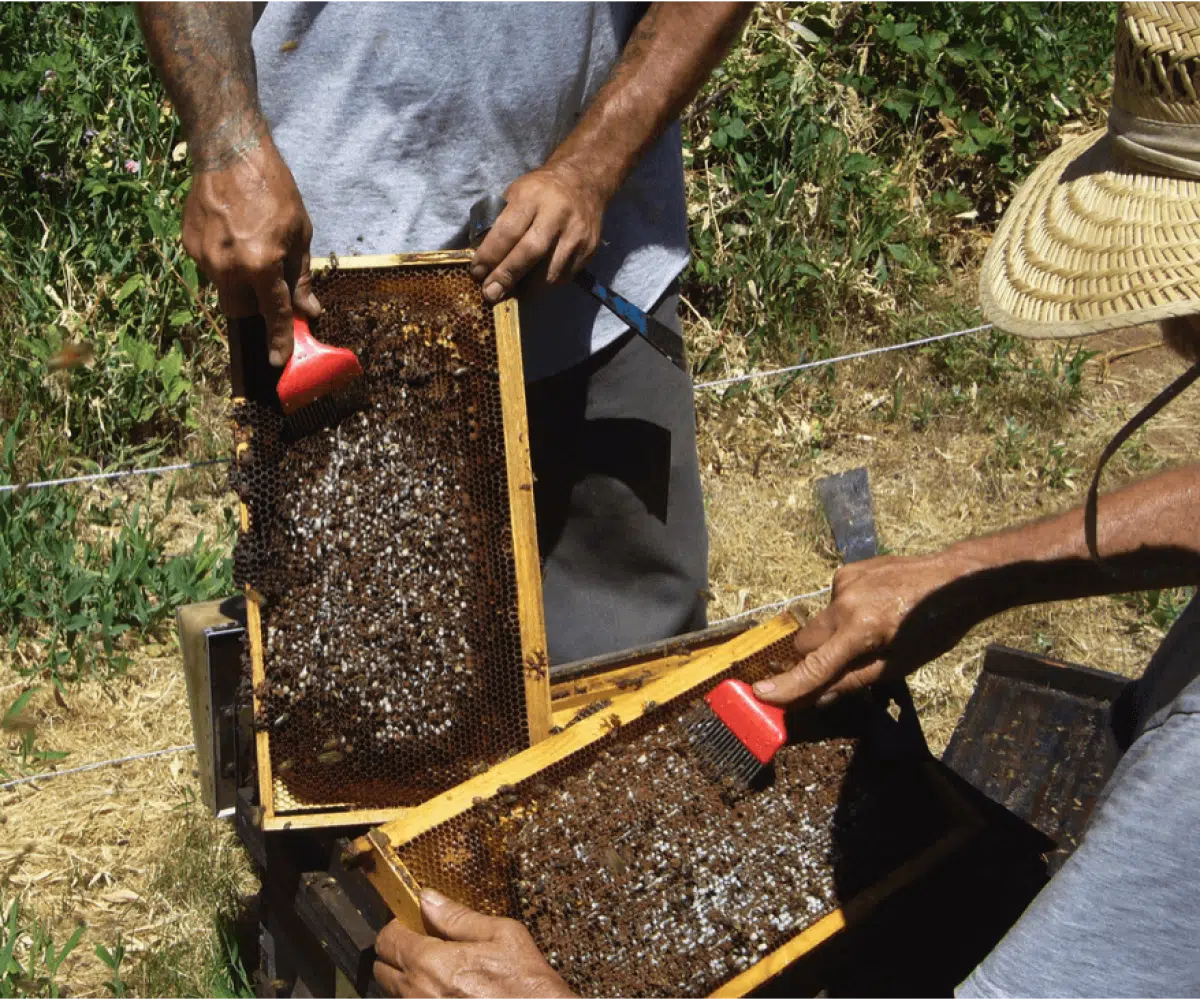
The Spanish method known as rasca la cría, or brood scratching, deliberately damages brood with an uncapping fork and combines this with a Varroa treatment. Its aim is to reduce the refuge that capped brood provides for reproductive mites. Scratching is not a reliable stand-alone mite treatment, and opening cells does not prove that every mite immediately becomes accessible to a medicine. It also sacrifices developing bees, so its value must be weighed against its costs and risks.
The two parts of the method
- Brood manipulation: practitioners damage brood to prompt its removal, sacrificing future workers. The extent and suitability of the intervention require assessment.
- Coordinated treatment: use a suitable authorised medicine under its own instructions, then check whether mite control was achieved.
Spanish practitioners interviewed for this article favoured periods of declining brood, often September or October in their conditions. Those months are not a universal recommendation. Protecting the bees that will overwinter may require mite control much earlier; waiting for autumn can be too late in some locations.
First published in 2018, this article records a debate involving Randy Oliver, Pajuelo Consultores and Spanish practitioners. This English editorial adaptation retains their historical viewpoints while distinguishing them from current guidance. Evidence includes Oliver’s small field trial and a later Spanish conference report from 2022. Neither supports presenting brood scratching as universally superior, harmless or suitable for every colony.
The rationale: mites in capped brood
Start with the mite’s life cycle (in Spanish). Many treatments act mainly on mites associated with adult bees—the stage often called phoretic—and are less effective against mites protected inside capped brood. This limitation is product-specific: it is incorrect to say that all acaricides act only on adult-bee mites.
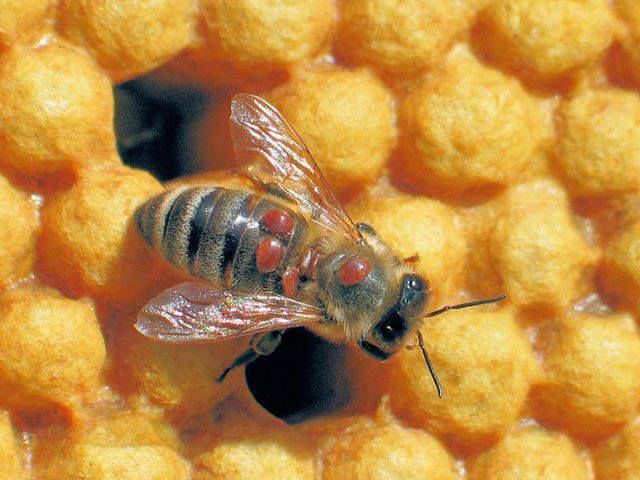
Varroa reproduces inside capped brood cells. The capping protects mites from several commonly used treatments, but it does not make them chemically ‘immune’. For example, authorised formic-acid products can act against mites within sealed cells, whereas oxalic acid does not effectively penetrate capped brood. Treatment duration and any repeat application must follow the particular product’s instructions, not a generic rule inferred from the mite cycle.
Why brood status affects treatment
The table is a simplified mathematical example, not field-trial data. Assume a single application kills 90% of exposed mites and none of those under cappings, with no emergence, reproduction or incoming mites during the calculation. The overall reduction then depends on the fraction initially exposed:
| Mites initially protected in brood | Calculated reduction in all mites | Mites surviving the application |
|---|---|---|
| 0% | 90% | 10% |
| 25% | 67.5% | 32.5% |
| 50% | 45% | 55% |
| 70% | 27% | 73% |
| 85% | 13.5% | 86.5% |
The principle is that brood status can affect treatment performance. Real colonies are dynamic, and neither this calculation nor the appearance of opened cells establishes the efficacy of a particular scratching-and-treatment programme.
Mite numbers can rise rapidly while colonies rear brood, and mites may also arrive from other colonies. There is no fixed monthly multiplication rate that applies everywhere. Do not wait for a natural brood decline when monitoring indicates that action is already needed: measure infestation and use the results to guide decisions.
Where the idea came from
An early published account is Randy Oliver’s California work during the 2014 season. Faced with heavily infested colonies, he tested sacrificing capped brood alongside mite treatments. His article, Messin’ with Varroa 2014, was first published in the American Bee Journal in January 2015, not in 2014. It describes an emergency experiment, not an established universal protocol or proof that he was the first person ever to consider brood removal.
The Spanish practitioners interviewed later said that they had developed their approach independently. The original article drew on accounts from the second national Rascalacría meeting in Segovia. These are useful records of practical experience, but the claimed history and popularity of the method should not be confused with controlled evidence of efficacy.
Timing: assess the colony, not just the calendar
Timing depends on colony strength, infestation, brood status, local climate, forage and the production system. It also depends on the permitted conditions of use of the chosen medicine. Discuss a brood-management intervention with an experienced bee-health adviser or veterinarian, and consider the following:
- Brood status: declining brood may make an intervention less costly in lost developing bees, but it is not permission to delay needed control.
- Treatment conditions: follow the chosen medicine’s temperature, colony-strength and other restrictions; there is no common temperature rule for all strips.
- Winter-bee development: allow for recovery and protect the brood that will produce long-lived workers before it is heavily damaged.
- Colony capacity: abundant brood, a weak adult population or cold clustering can make destructive brood management particularly inappropriate. Obtain advice and consider alternatives.
Varroa and its associated viruses can damage developing winter bees, but not every brood cell in an infested colony is necessarily diseased or beyond recovery. Destroying brood also removes potential future workers. The objective should be to keep mite levels low while winter bees develop, not to assume that all late-season brood is expendable. The winter-survival study by van Dooremalen and colleagues supports timely control during this transition; it is not a trial endorsing brood scratching.
How practitioners describe the method
Coordinate Varroa management across the apiary and, where possible, with nearby beekeepers. Drifting and robbing can move mites between colonies, but this does not establish that every hive must undergo destructive scratching on the same day. Each colony needs assessment, an appropriate control measure and follow-up monitoring. A scratched colony can still be reinfested.
Equipment and treatment choice
- An uncapping fork, such as the premium uncapping fork shown in the source discussion; appropriate protective clothing and clean equipment are also necessary.
- An appropriate authorised Varroa medicine. Choose the exact product and permitted use, not an active ingredient in any available formulation.
Part 1: sacrificing brood
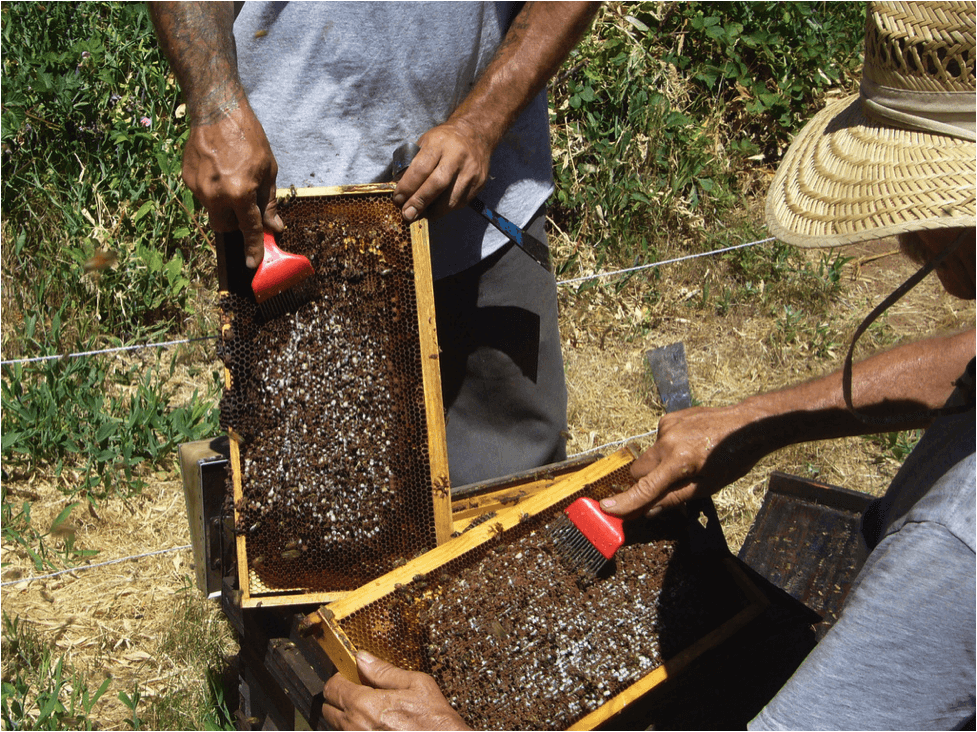
Practitioners describe damaging capped brood so that workers remove the affected larvae and pupae. This is deliberate brood destruction, not merely uncapping honey or inspecting a few cells. Workers may consume or remove damaged brood, but that is not a reason to describe the procedure as a safe protein supplement. Protect the queen and adult bees, and do not undertake destructive brood management without an appropriate colony-health plan.
- Opening a capping is not the same as removing brood. Some opened cells may be recapped, so appearance alone cannot establish a brood-free treatment window.
- Late open brood can also contain mites. However, that fact does not justify indiscriminately destroying every egg and larva. It highlights the need for a defined, professionally assessed brood-management plan.
- Unsuitable comb: assess whether damaged or old comb should be replaced. Do not extract honey from frames containing brood or transfer potentially diseased material without appropriate advice.
Part 2: coordinating the authorised treatment
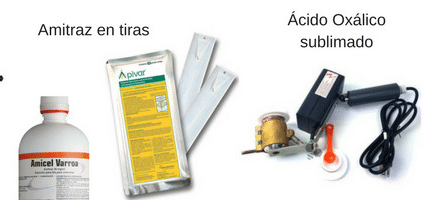
The historical rationale is to coordinate treatment with the reduction in protected brood. That does not mean every mite is exposed at one exact instant, or that any product can be used immediately afterwards. Oxalic-acid treatment and amitraz-based products have different authorised formulations and conditions. Select the registered medicine and permitted route with professional advice; do not interchange formulations, shorten courses or improvise repeat doses.
Use only an appropriate authorised veterinary medicine and follow its current instructions. Check the formulation, dose, route, treatment duration, temperature and colony-strength restrictions, protective equipment, honey-super restrictions and withdrawal period. A zero-day honey withdrawal period does not automatically permit treatment during a honey flow or with supers on. Scratching does not guarantee better efficacy or make an unsuitable medicine safe. In Spain, consult AEMPS CIMA Vet and the responsible veterinarian where required.
After an intervention, assess stores, forage, brood and the remaining adult workforce. Feed only if needed and in accordance with the medicine’s restrictions; routine stimulation is not automatically appropriate. Avoid spills and measures that encourage robbing, especially around weak colonies. Feeding cannot undo severe mite or virus damage.
What practitioners report
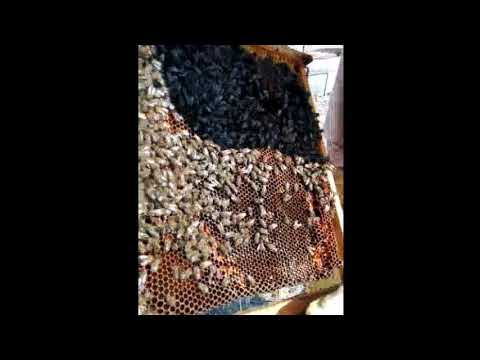
Some practitioners reported rapid cleaning of damaged cells and renewed egg laying over the following days. These observations describe particular colonies, not a guaranteed two-day clean-up or complete recovery by day fifteen. New eggs, a compact brood pattern and replacement of the lost adult workforce are different milestones. An attractive brood pattern alone does not establish improved health or successful mite control.
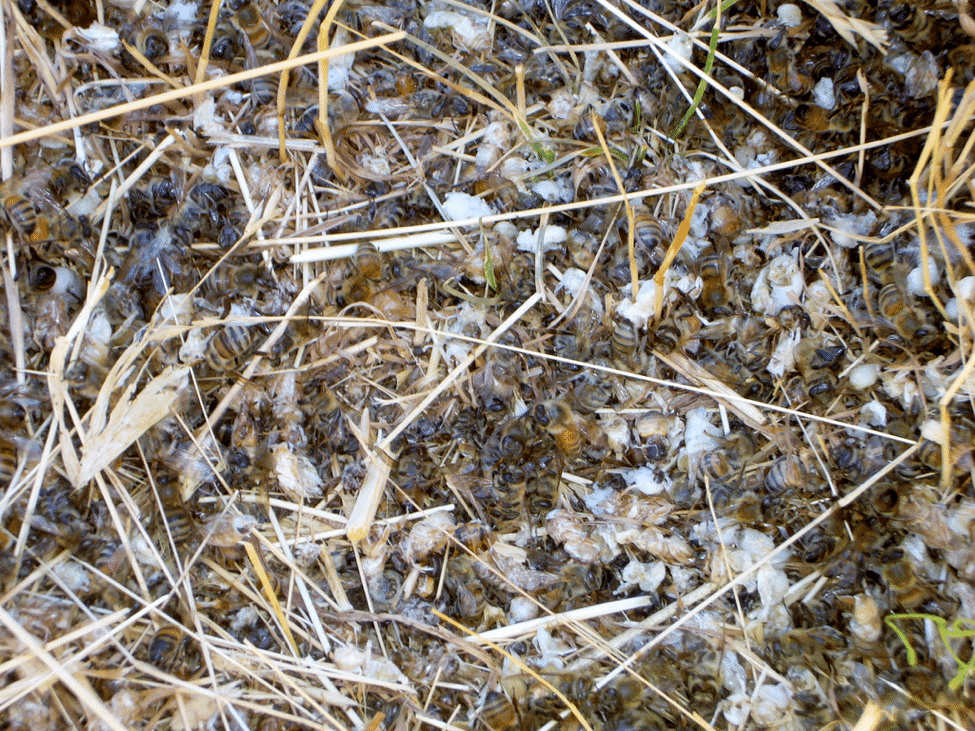
The survival of eggs or young larvae depends on what was actually damaged. The claim that the method destroys all open brood cannot simultaneously be used to guarantee that all young larvae remain unharmed. Differences from total frame removal may affect development, but there is no universal one-week recovery advantage or assured increase in the queen’s laying rate.
Reading Randy Oliver’s trial carefully
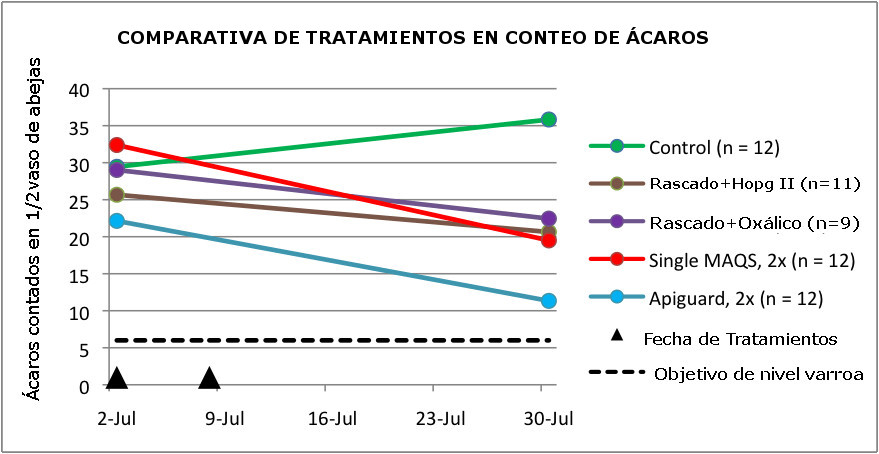
In Oliver’s trial, the mean mite counts in the two scratching-plus-treatment groups fell while the untreated control mean rose. However, neither scratching group was statistically different from the control in the reported corrected comparison. The figure alone therefore does not establish that scratching worked. There was also no scratching-only group to separate the contribution of brood destruction from that of the medicine.
Only the Apiguard and MAQS groups were significantly different from the control, and no treatment reached the stated target mite level. Oliver also reported colony deaths only in the scratched groups, while noting that some were already badly affected by mites and viruses. This small, hot-weather trial used treatment schedules that must not be copied as current label instructions; it neither proves universal benefit nor isolates scratching as the cause of every loss.
Product names in a historical US experiment do not establish current authorisation in Spain or another country. Check the exact medicine in the relevant official register rather than using the trial as a shopping list or prescription.
A colony-health concern: deformed wing virus
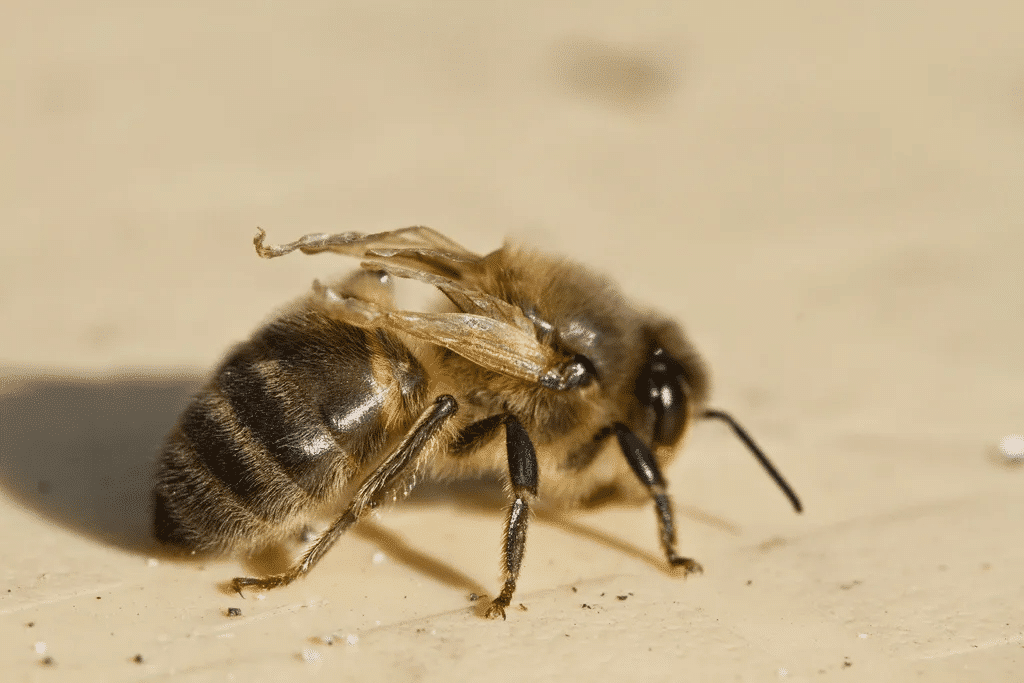
The original article records a January 2018 exchange in which Oliver said the procedure appeared less damaging than he had expected, but raised concerns about deformed wing virus (DWV), which Varroa can transmit. His concern should be read alongside the colony losses reported in his experiment, not as a declaration that the procedure is safe.
There is a biological basis for caution about the handling and removal of infected brood. A 2021 experimental study by Posada-Florez and colleagues found that brood cannibalism can contribute to DWV transmission among workers. It did not measure the net effect of the Spanish scratching method under commercial field conditions. Nor does it overturn the established protective role that hygienic behaviour can play in colony health. These are reasons to assess alternatives, not to promise either inevitable harm or no risk.
What the disagreement does—and does not—establish
Jorge Gras reported that he had not observed the virus problem feared by critics. Such field impressions cannot establish that viral effects are absent or permanently confined to one hive. Bees and mites can move between colonies, while laboratory transmission findings do not by themselves predict the outcome of a whole-apiary intervention. The uncertainty calls for monitoring and proportionate caution, not a choice between two unsupported absolutes.
Alternatives based on brood management
Brood-management approaches can interrupt mite reproduction or remove mites sheltered in brood. Their practical demands and effects on the colony differ. A 2022 Spanish conference abstract compared scratching plus amitraz with an unscratched amitraz programme in three apiaries. Both programmes reduced infestation, with mixed colony-strength results; the authors found no particularly harmful effect of scratching in their trial conditions. Different treatment schedules and the limited conference report prevent a simple conclusion that scratching adds benefit or is risk-free.
| Approach | Principle | Potential advantages | Limitations |
|---|---|---|---|
| Brood scratching | Damage brood and coordinate an authorised treatment | Retains comb and some stores; practitioners report limited equipment and labour needs | Destroys developing bees; recovery and virus concerns; added treatment benefit is not established universally |
| Brood-frame removal | Remove brood and its associated mites; manage removed material under an appropriate health plan | Physically removes brood-associated mites and reduces the colony’s clean-up burden | Removes future workers and may remove important stores, including in Layens hives; recovery needs assessment |
| Queen caging | Use a suitable confinement method to interrupt egg laying; distinguish this from trapping the queen on a laying comb | Can create a planned brood break while existing brood emerges | Requires correct equipment, queen care, planned visits and treatment timing; not suitable for every colony |
A very weak, heavily infested colony needs urgent assessment. Removing brood may spare it a substantial clean-up task, but it also removes future workers and sometimes important stores. It is not invariably the only way to save the colony, and some colonies may be beyond recovery despite effective mite control. Obtain a case-specific bee-health plan and avoid transferring potentially diseased brood into other colonies without appropriate assessment.
Jorge Gras’s 2018 interview: an editorial summary
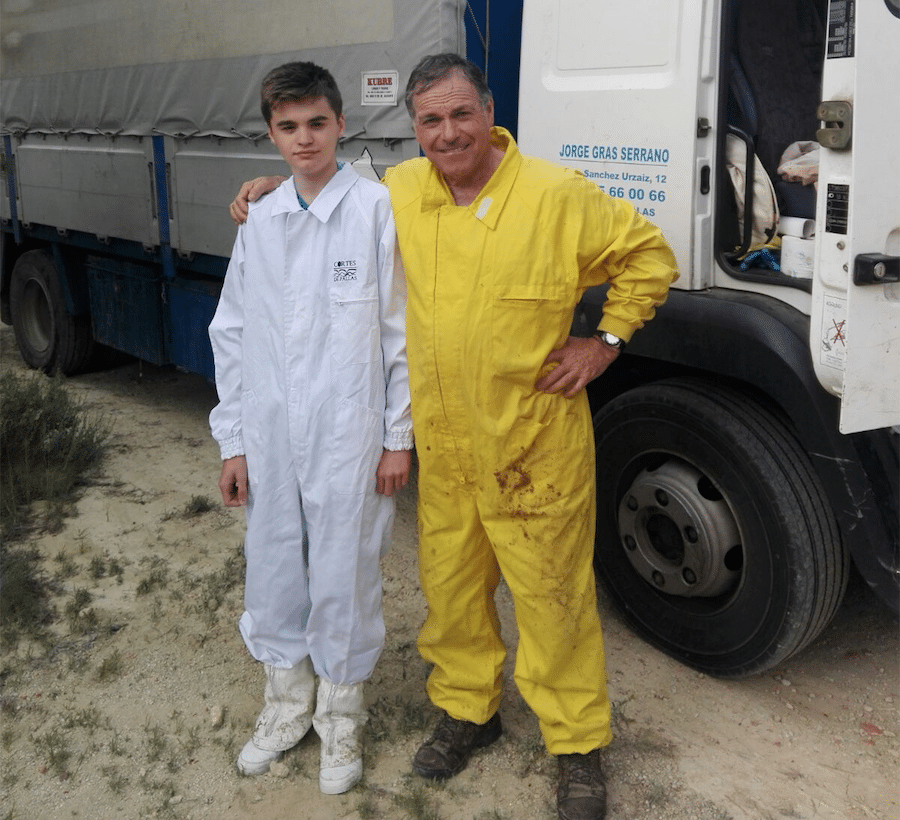
Professional beekeeper Jorge Gras described his involvement in the Rascalacría group and its collaboration with UNIÓN de UNIONES. The questions below retain the subjects of the 2018 interview, but the answers are editorial summaries, not verbatim quotations or current prescriptions. They distinguish what he reported from what can be concluded scientifically. No claim is made that he was the most experienced practitioner in Spain.
How did the group encounter the method?
Gras credited Miguel Ángel with the initial idea within their circle and described developing it with the Segovia group, then sharing it through WhatsApp with support from UNIÓN de UNIONES. He considered the subsequent acaricide treatment essential and favoured amitraz. That was his preference, not evidence that every amitraz formulation is appropriate or superior in every situation.
How did they combine scratching with treatment?
He described combining scratching with vaporisation or amitraz-based treatment under his local conditions. The original answer included product-specific quantities and repeat timings that should not be republished as a general dosing schedule. The current medicine’s authorised instructions take precedence, and reduced or improvised courses must not be inferred from this historical testimony.
How much work did it involve?
He estimated roughly two and a half to three hours for a 100-colony Layens apiary with relatively little brood. This is one practitioner’s work estimate, not a standard labour allowance. His confidence that the apiary would then be controlled until the following spring is not a reason to stop monitoring: reinfestation and treatment failure remain possible.
Did the amount of brood matter?
He preferred working when brood was declining and the colonies contained relatively little of it, in conditions suitable for the chosen treatment. The amount of brood matters because it affects both the work and the loss of future bees. His September–October timing should not be transferred unchanged to other climates or used to delay urgently needed mite control.
Did strong and weak colonies respond alike?
He observed quicker recovery in colonies with a larger adult workforce than in weaker colonies. That is plausible as a practical observation, but strong appearance does not guarantee recovery. Queen condition, food supply, disease and the extent of brood loss also need consideration.
Did he observe mortality?
He reported no obvious adult-bee mortality that he attributed directly to scratching. This does not mean that no bees are killed: destroying brood kills developing bees by design. Nor does an absence of obvious adult deaths establish a lack of delayed effects. Oliver’s separate trial recorded losses in scratched groups, with pre-existing disease as an important complication.
What did he consider unsuitable timing?
He considered abundant brood and a cold-clustered colony unsuitable circumstances. Avoiding a poorly timed destructive intervention is sensible, but simply waiting for brood to decline can be dangerous if mite levels are already high. Choose another suitable authorised control strategy when needed rather than leaving the infestation untreated.
Why did he favour scratching over removing frames?
He valued retaining comb and its honey and pollen stores, particularly in Layens hives, and reported a strong clean-up response. He also considered complete brood removal useful in severely weakened colonies. These management arguments are worth considering, but his observations do not prove an absence of adverse effects or make total brood removal the only possible rescue option.
What limitations did he report?
He highlighted weak colonies and the risk of robbing where liquid feed was used during a forage shortage. He reported good subsequent development in some colonies, including colonies used to make splits after the intervention. Such examples do not establish that scratching causes no setback, and making splits is not the same as saying that the colonies swarmed naturally. Food support should depend on need and on treatment restrictions.
What would he tell a sceptical beekeeper?
He regarded the method as simple, economical and effective in his operation. That is a practitioner’s assessment, not a comparative demonstration that it is the safest, cheapest or most effective option for every beekeeper. A sceptical reader is right to ask for measured outcomes, suitable controls and clear follow-up.
Conclusion
Varroa is a major challenge for beekeeping and requires informed, timely management. Monitor infestation, assess colony health, choose an appropriate intervention and verify the response. Visible recovery does not replace a mite count.
There is no universal solution. Brood status can improve the conditions for certain medicines to work, but brood destruction carries costs and does not guarantee control. Scratching, brood removal and queen caging are not interchangeable choices to make without considering colony condition, season and the evidence. Plan with competent advice, follow the medicine’s instructions and continue monitoring afterwards.
For the wider management framework, see our integrated strategy for Varroa control.
What is the rasca la cría method?
It is a destructive brood-management practice that damages brood with an uncapping fork and combines this with a Varroa treatment. The aim is to reduce the protection capped brood provides for mites. It is not a stand-alone cure, and scratching does not prove that all mites are exposed or that every colony can recover safely.
When is brood scratching considered?
Spanish practitioners have described using it during declining brood, but there is no universal month or temperature for the method. Colony strength, infestation, winter-bee development and the authorised treatment conditions must guide the decision. Do not postpone necessary mite control simply to wait for September or October.
Must every colony in an apiary be scratched?
Varroa control should be coordinated across an apiary, but that does not mean every colony must undergo destructive scratching. Assess each colony, select a suitable control measure and monitor afterwards. Drifting and robbing can cause reinfestation even after a coordinated intervention.
Can brood scratching harm a colony?
Yes. It deliberately destroys developing bees, imposes a clean-up task and may affect colony recovery. There are also concerns about exposure to viruses in damaged brood. Practitioner reports do not establish zero risk, while laboratory findings alone do not quantify the field risk of this particular method.
How long does brood scratching take?
In his 2018 interview, Jorge Gras estimated two and a half to three hours for a 100-colony Layens apiary with relatively little brood. This is a historical personal estimate, not a guarantee. Assessment, treatment, safety precautions and follow-up require additional consideration.
Sources
Historical sources: Apicultura Ibérica no. 23, account of the second Rascalacría meeting in Segovia; Jorge Gras’s interview; and consultations with Pajuelo Consultores and Randy Oliver recorded by the original article.
Randy Oliver, Messin’ with Varroa 2014, first published in January 2015.
Fuertes Latasa, Blanc Cera and Gonell Galindo (2022), brood-scratching trial, 10th Spanish National Beekeeping Congress, abstract 012, pp. 26–27.
Bowen-Walker, Martin and Gunn (1999), The transmission of deformed wing virus between honeybees by the ectoparasitic mite Varroa jacobsoni, Journal of Invertebrate Pathology 73:101–106, DOI:10.1006/jipa.1998.4807.
Posada-Florez and colleagues (2021), Pupal cannibalism by worker honey bees contributes to the spread of deformed wing virus.
For treatment precautions and current product information, consult AEMPS CIMA Vet and the National Bee Unit’s Managing Varroa; UK guidance does not determine which products are authorised elsewhere.

ISNI 0000 0005 1801 1100 | Joshua Ivars is the manager of LA TIENDA DEL APICULTOR and the author of this blog, where he shares technical and practical guidance for beekeepers. Drawing on extensive experience in the beekeeping sector, he offers advice and solutions based on beekeepers’ real needs, sharing his knowledge of equipment and essential beekeeping practices.


