

World Bee Day: why 20 May matters
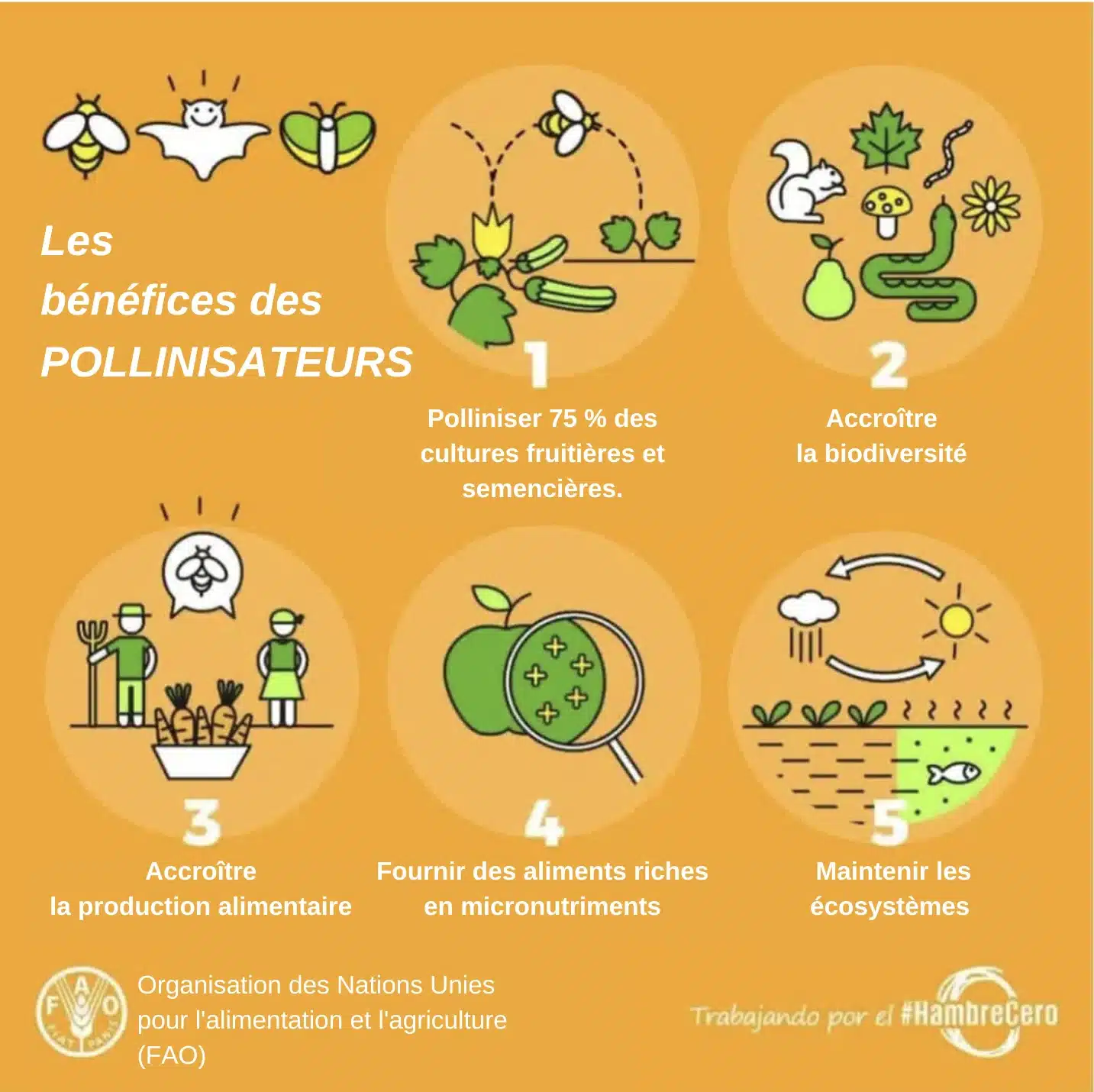
World Bee Day celebrates bees and other pollinators on 20 May. Discover its origins, their role in food and biodiversity, and how beekeepers and growers can help.
Honey bee life cycle: the queen, workers and drones
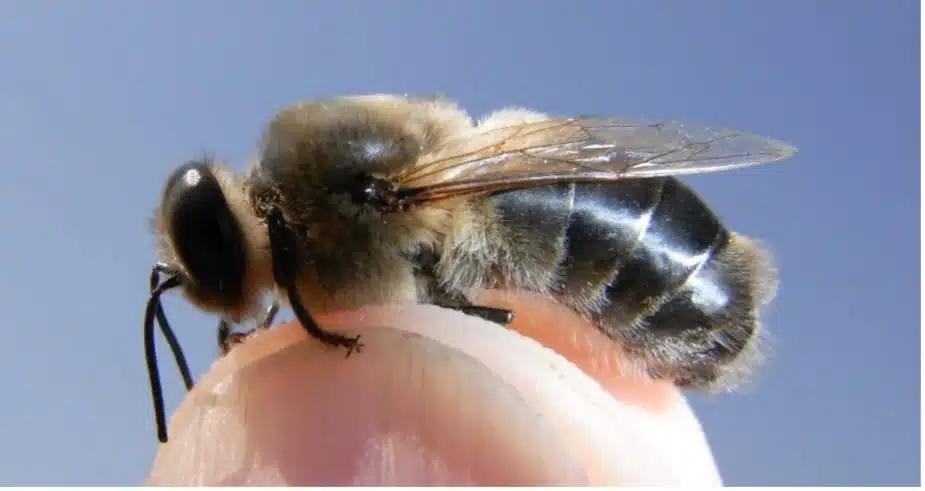
Follow the honey bee life cycle from egg to adult, understand the roles of queens, workers and drones, and learn why worker tasks do not follow a fixed timetable.
How to make wax foundation sheets: rolling and embossing
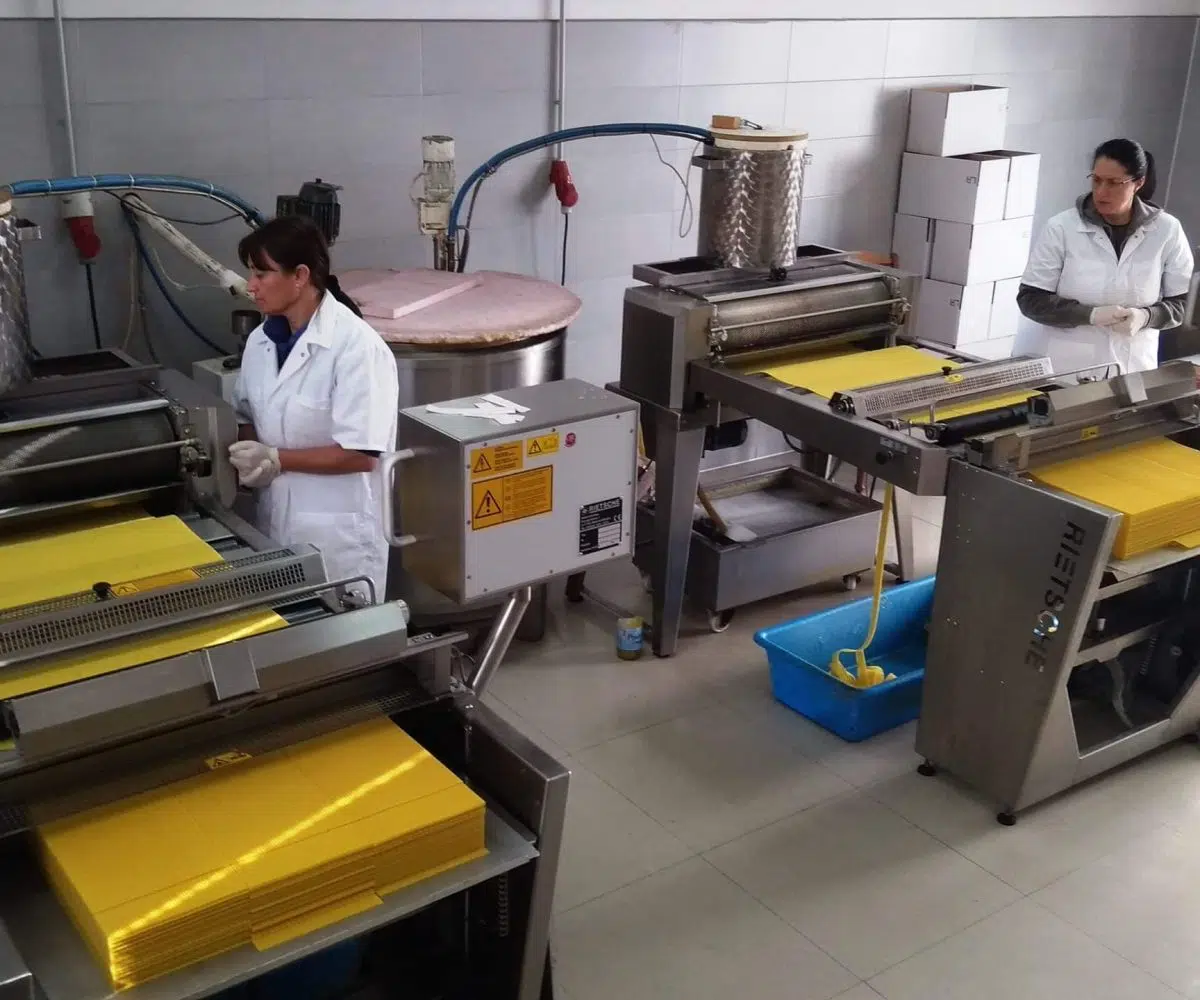
Guide on how to produce wax foundation sheets using artisanal and industrial methods: moulds, rollers, temperature control, and the choice between rigid and flexible sheets.
How to melt, clean and store beeswax
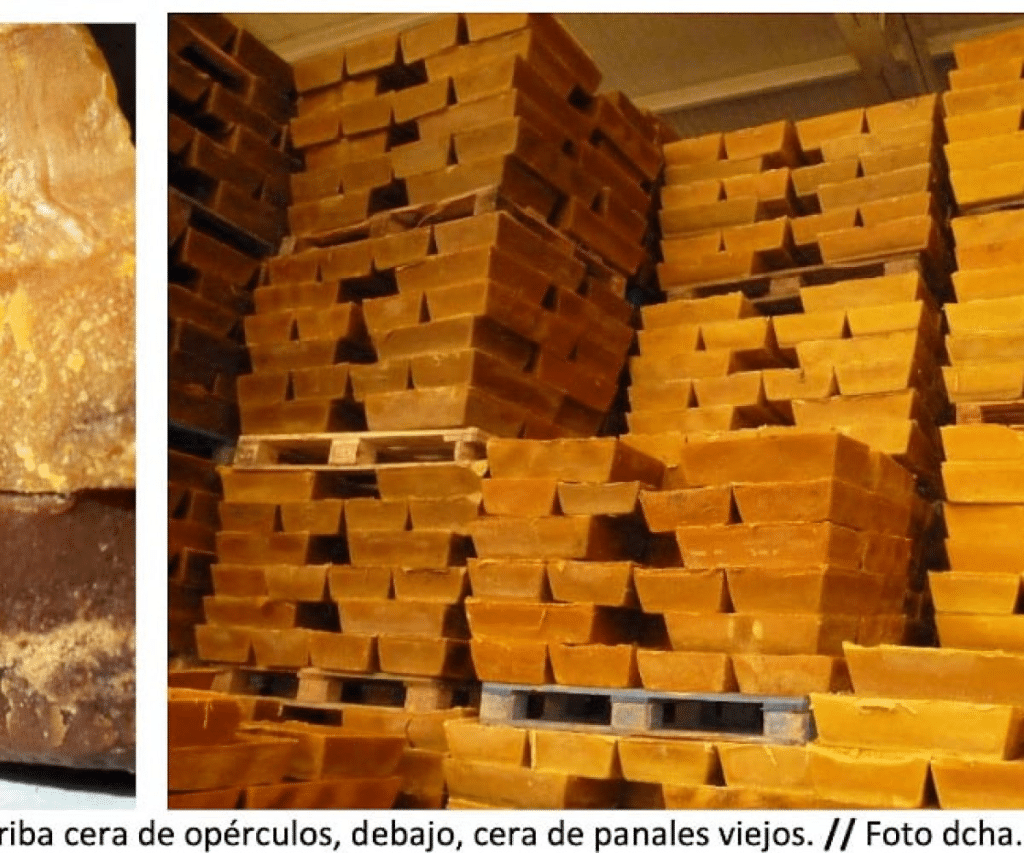
Select suitable comb, compare solar and steam wax melters, recover more wax and let debris settle. Understand what ordinary melting cannot remove.
Choosing an apiary site: hive placement and Spanish legal distances
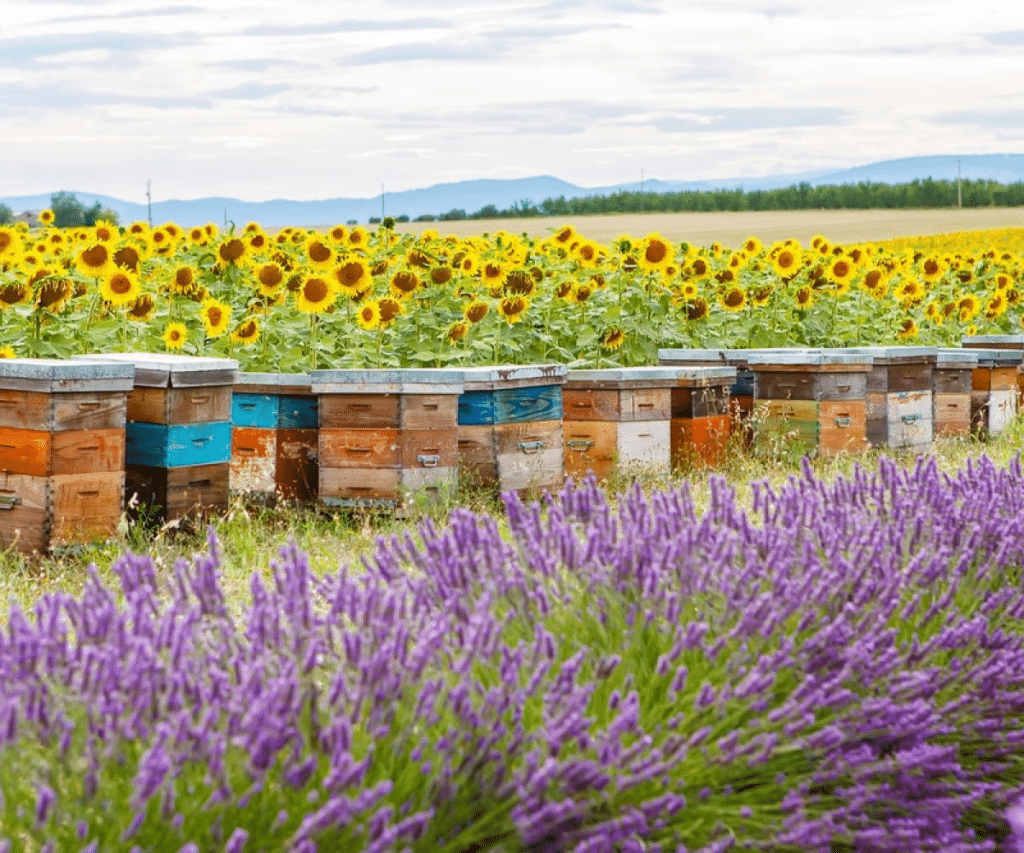
How to choose an apiary site, arrange hives and assess forage, access, water and neighbours, with Spain’s national setbacks and their conditional exceptions.
Honey moisture content: how to measure it and prevent fermentation
A practical guide to measuring honey moisture content, interpreting the percentage, and preventing fermentation from the comb to packaging.
How to uncap honey: tools, technique and cappings recovery
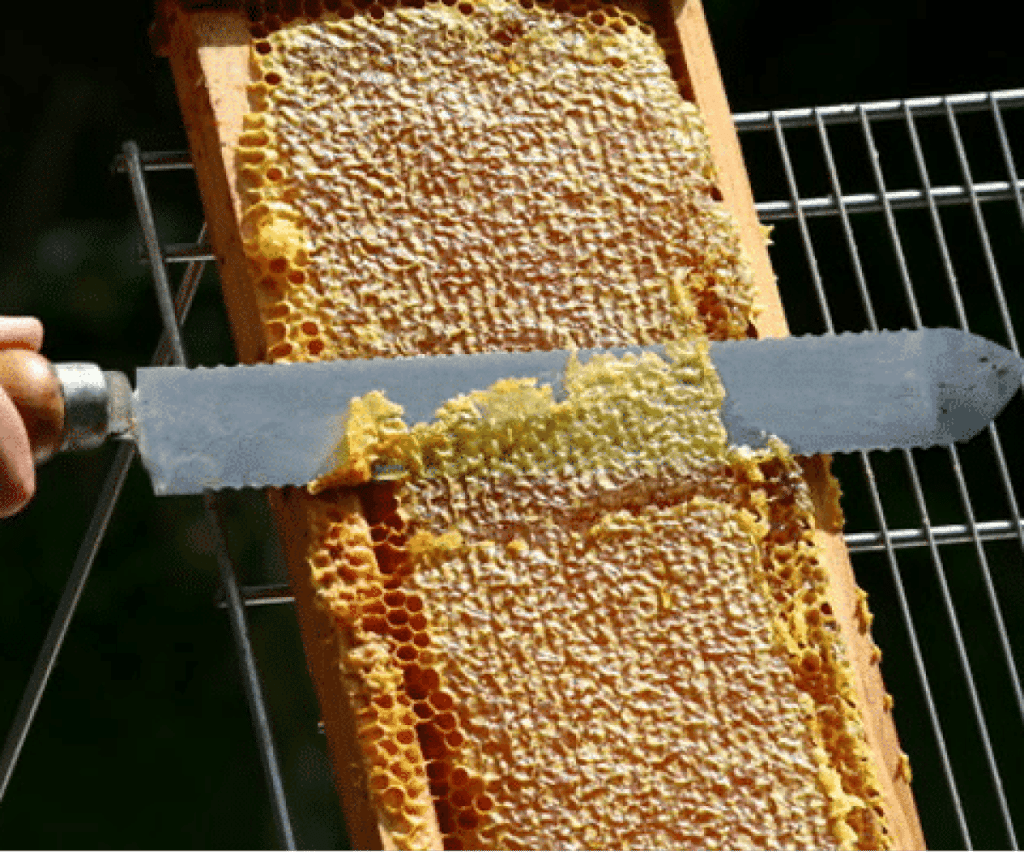
Choose and use uncapping forks, knives, rollers and machines. A practical guide to opening honey cells, controlling heat and recovering honey and beeswax from cappings.
Honey bee viruses: signs, transmission and colony health
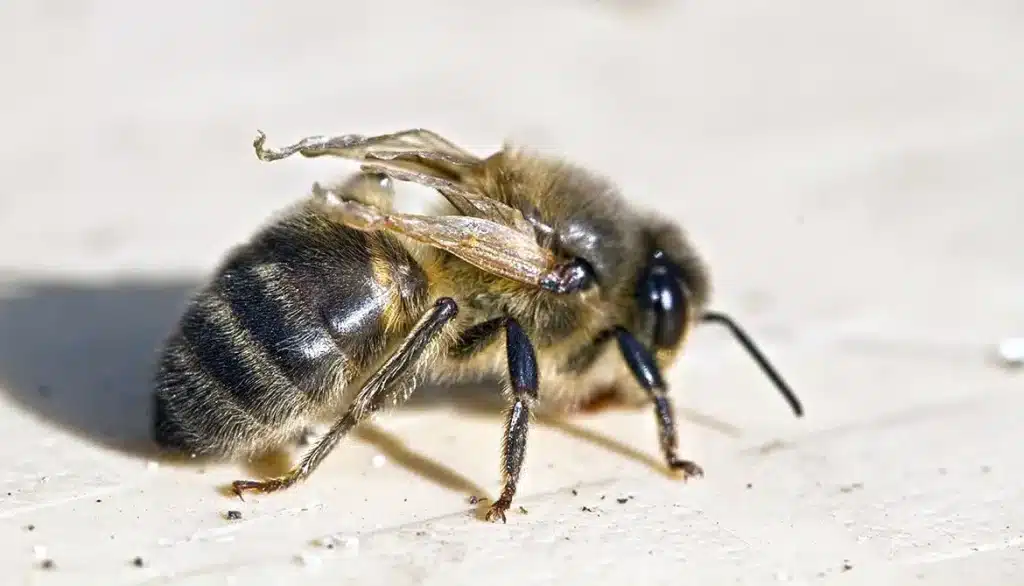
Recognise important signs of viral disease in brood and adult bees, understand the role of Varroa, and know when to seek diagnostic help.
Apiary hygiene: cleaning, biosecurity and disease prevention
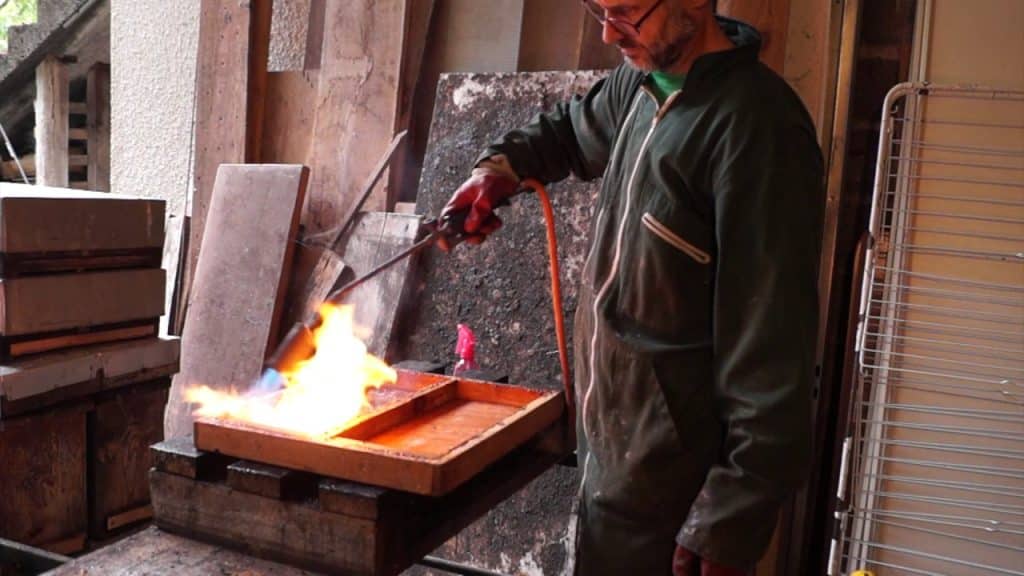
Reduce disease spread through sensible apiary hygiene: check incoming colonies, clean equipment, renew comb, feed safely and isolate suspect material.
How to make nucleus colonies: splitting a hive step by step
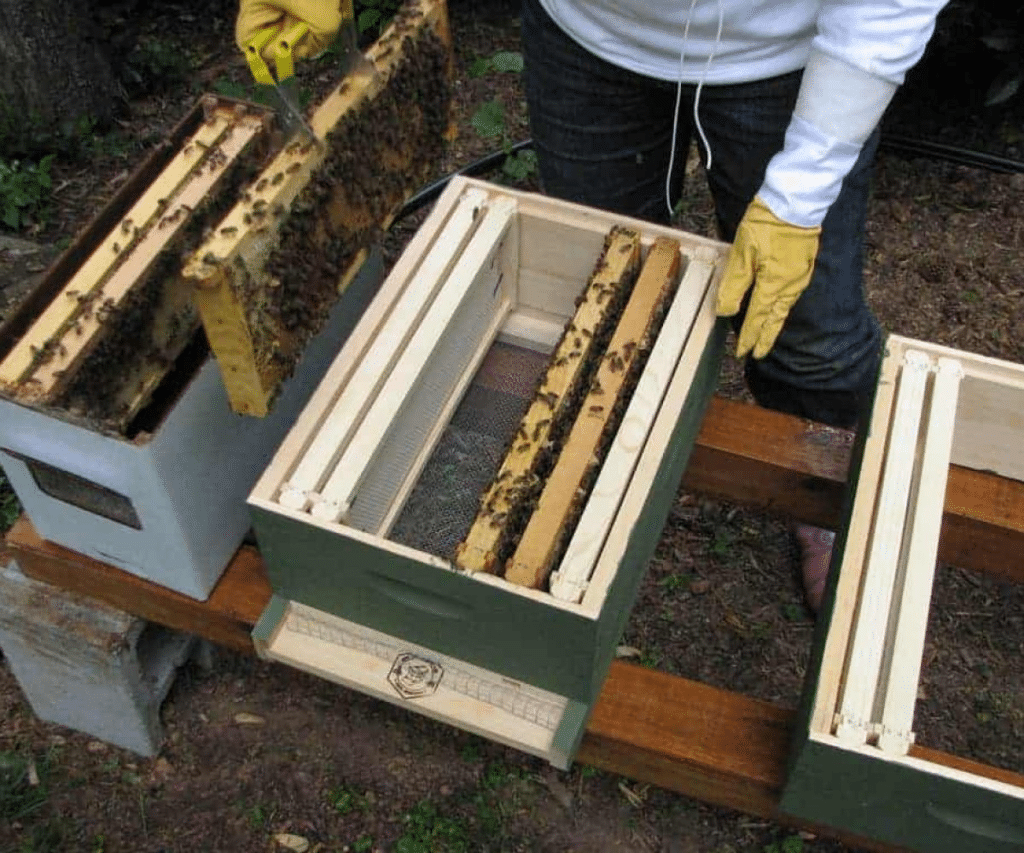
Compare walk-away splits and nucs with mated queens: choose healthy donors, allocate brood and bees, manage feeding and placement, and check for eggs.
Creamed honey: what it is and how to make it step by step
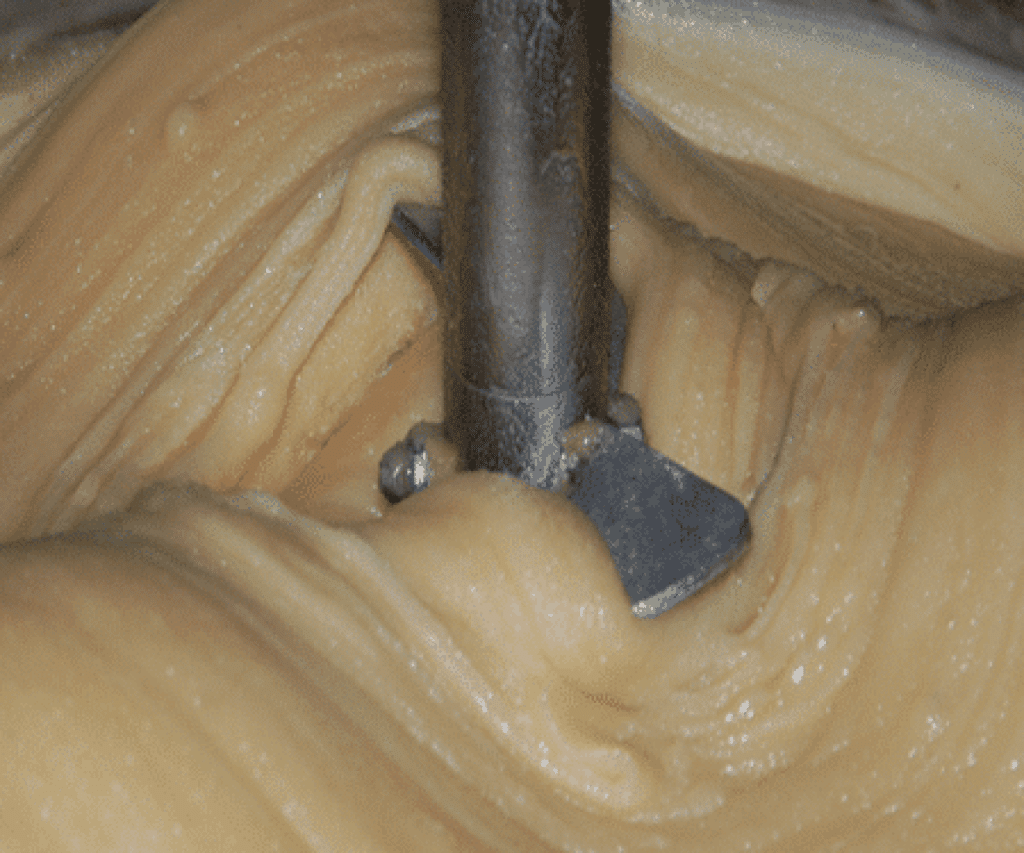
Make smooth, spreadable creamed honey using fine seed crystals, controlled mixing and stable temperatures. Includes batch calculations, equipment and troubleshooting.
Almond blossom honey: flavour, colour and why it is rare
Explore almond blossom honey’s pale colour, fruity aroma, fine crystals and early-season origins, with a clear explanation of its analytical profile.
Brood scratching for Varroa: evidence, risks and alternatives
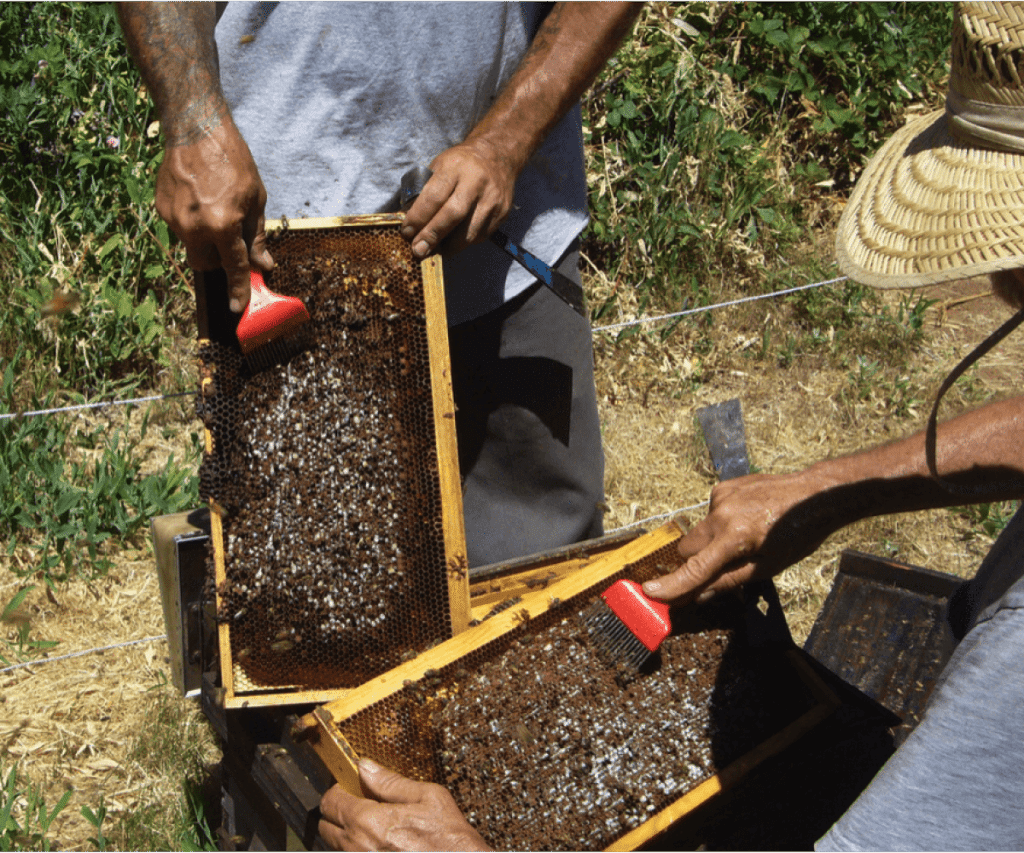
What the Spanish rasca la cría method aims to achieve, what the trials show, and why brood loss, treatment choice, winter-bee timing and monitoring matter.
When and what to feed bee colonies
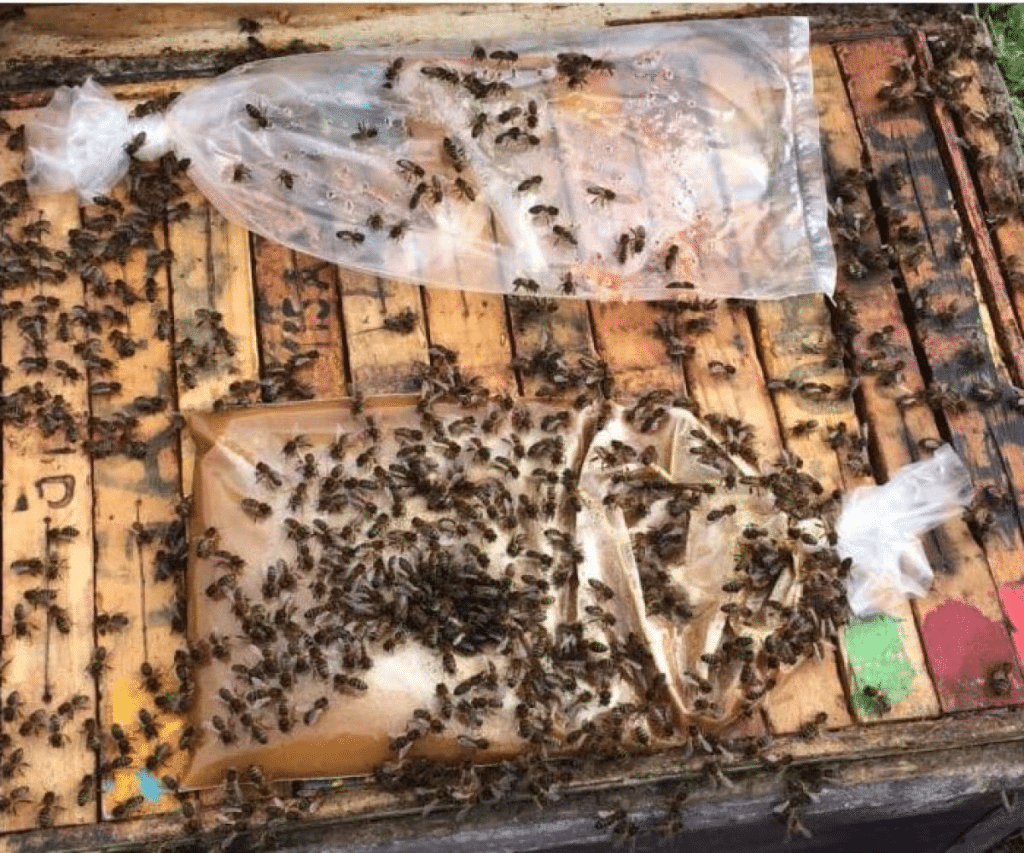
Learn when to feed a colony and how to choose syrup, fondant or protein patties after assessing its stores, brood, pollen, weather and the next nectar flow.
Bee bread: what it is and how to harvest it
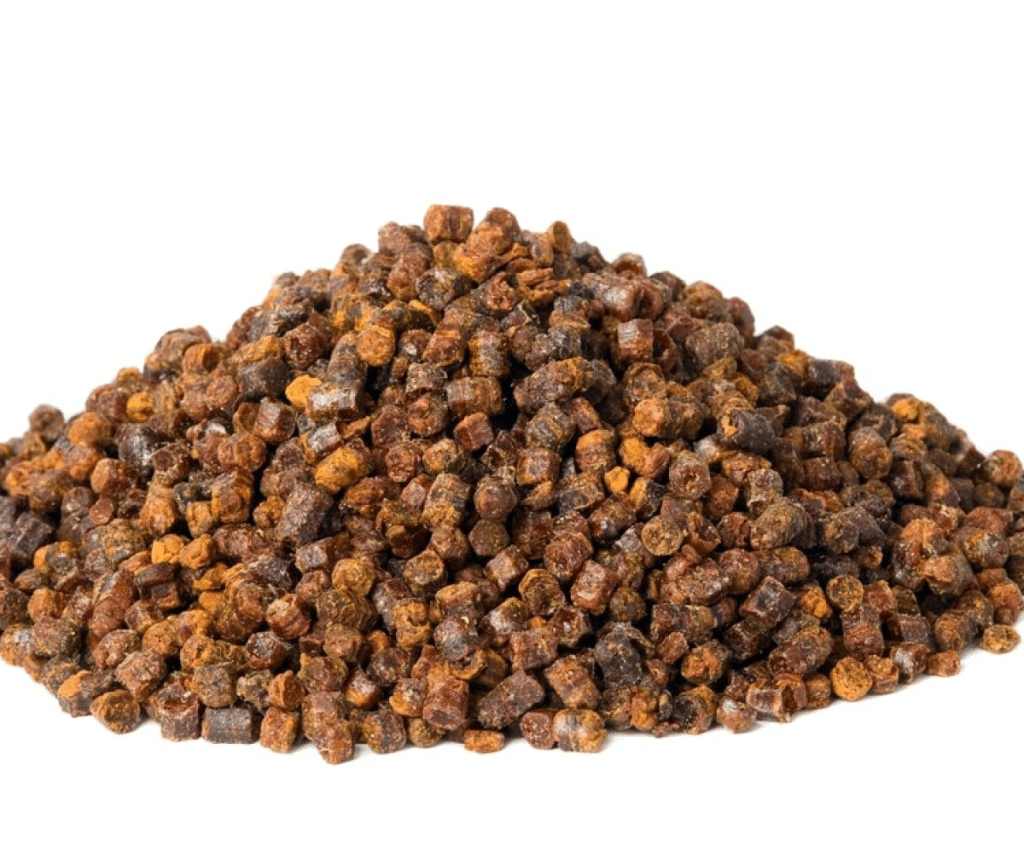
Bee bread is pollen that bees pack into comb cells, cover with honey and allow to ferment. Learn how it differs from collected pollen, how to harvest it step by step and which claims about its composition and properties are supportable.


