 Apipasta with vitamins 15kg
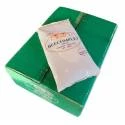 Beecomplet® Spring 14Kg
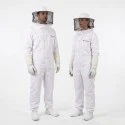 Beekeeper suit with round veil
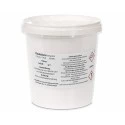 Oxalic acid 1kg
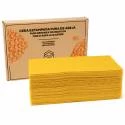 Beeswax Foundation 5kg
 Fresh royal jelly 20g
 Classic honey jar 1kg comb-lines TO77 - Pack of 16 units
 Promotor L Apis 1 litre

 Share in WhatsApp
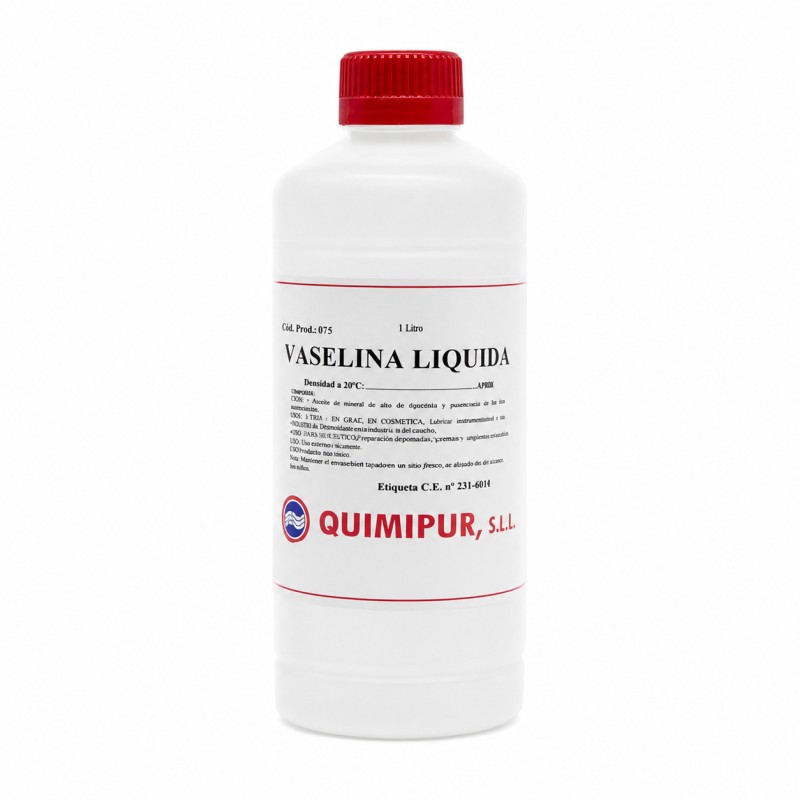
Liquid petroleum jelly. It is ideal for beekeeping for different sanitary uses. Served in 1 litre format.
Clear liquid paraffin — highly refined, colourless and odourless — in a 1-litre bottle, for maintaining honey-house equipment.
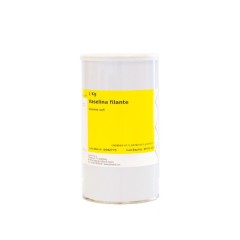
Watch out for a common mix-up: this is the liquid one. For the tray of an open mesh floor, what you want is the thick, stringy kind.
01 · WHAT IT IS FOR
A lot of season breakdowns are not bad luck: they are want of lubrication. Valves that stiffen and end up dripping, gaskets that dry out, threads that seize on the big day of extraction. It goes on with a brush, a syringe or a sprayer over gaskets, threads, catches and shafts of extractors, ripeners, settling tanks, pumps and creamers: it works into the thread, does not go rancid, does not taint the honey and makes stripping down for cleaning easier.
02 · NOT THE ONE FOR COUNTING MITES
If you have an open mesh floor and want to count natural drop, this is not it. The liquid kind shifts with any tilt of the hive and carries the mites out of place, so you lose the information about where they fell — which is what tells you the part of the nest the trouble is in. The stringy kind stays put where you spread it and holds up better through summer without turning runny.
03 · MIXED WITH BEESWAX, FOR WOOD
It is the question this page gets most: yes, it is the usual base for the classic wax-and-oil treatment that protects the wood of hives, frames and tools. Melt it in a bain-marie, roughly one part beeswax to three or four of paraffin, and apply it warm on dry wood. If you need written proof of food-contact suitability, ask us about the grade of the batch before ordering.
04 · OTHER USES ROUND THE APIARY
Smeared on hive stand legs it makes a slippery barrier that holds ants back, and it serves as a sliding surface in the trays of some Aethina tumida traps. On metal threads, hinges and catches it keeps rust and propolis from locking them. And on wrists and ankles, before you put the suit on, it makes it harder for a bee to work its way up a cuff — not infallible, but it helps.
05 · BEFORE YOU BUY
A 1-litre bottle, which lasts several seasons used sparingly and locally. It does not replace the specific grease a machine maker calls for.
| ✓ FITS | Maintaining honey-house equipment and wax mixes for treating wood. |
| ✕ DOESN'T FIT | The tray of an open mesh floor for counting mites: that takes the stringy kind. |
| ⚠ NO SUBSTITUTE | For the specific greases a machine manufacturer specifies. |
| Product | Liquid paraffin · highly refined |
|---|---|
| Appearance | Clear, colourless and odourless |
| Format | 1-litre bottle |
| Application | Brush, syringe or sprayer |
| Uses | Gaskets, valves, threads, catches and shafts |
| Mixed with wax | In a bain-marie, to treat wood |
| Do not use | In varroa counting trays · use the stringy kind |
| Reference | 120154-1LITER |
Data sheet
Specific References
1 file available

Liquid petroleum jelly. It is ideal for beekeeping for different sanitary uses. Served in 1 litre format.
check_circle
check_circle