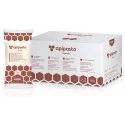
 Apipasta with vitamins 15kg
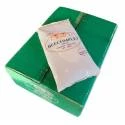 Beecomplet® Spring 14Kg
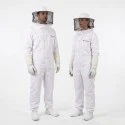 Beekeeper suit with round veil
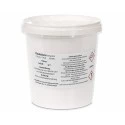 Oxalic acid 1kg
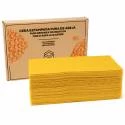 Beeswax Foundation 5kg
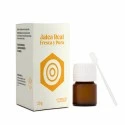 Fresh royal jelly 20g
 Classic honey jar 1kg comb-lines TO77 - Pack of 16 units
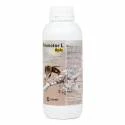 Promotor L Apis 1 litre
- Out of stock

 Share in WhatsApp
Buckfast F1 mated Queens. FOR ORDERS AND PRE-ORDERS CONTACT WITH OUR BEEKEEPER - 662 38 56 10 - JONATHAN CLAVERO - APICLAV@GMAIL.COM
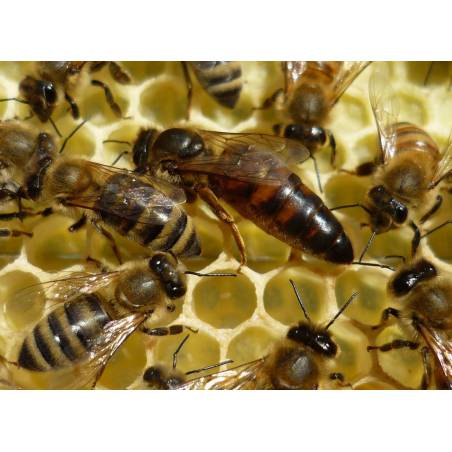
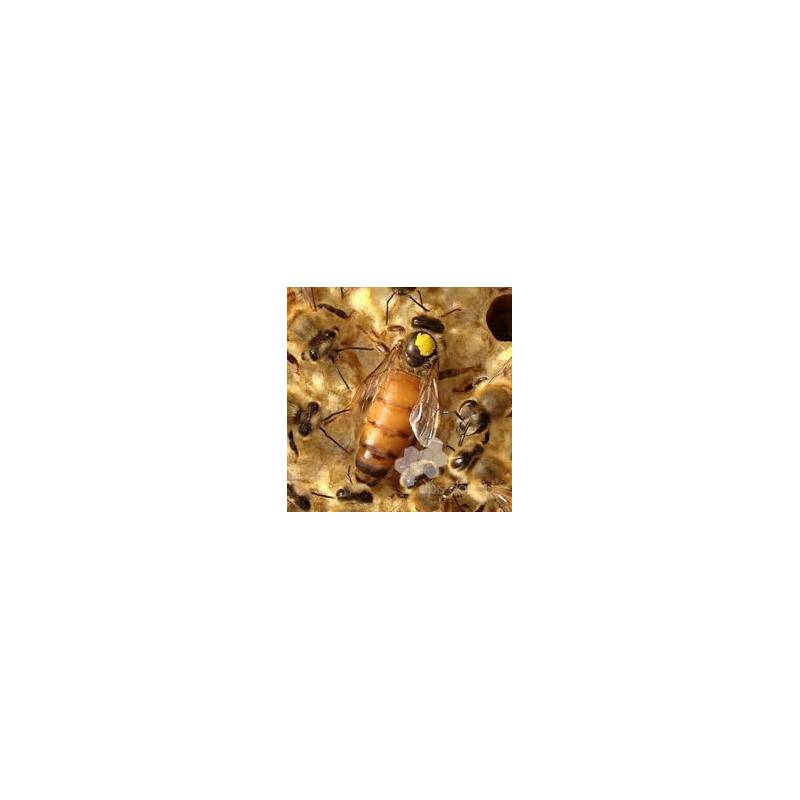
Buckfast queen, open-mated in an area saturated with drones from directed rearing, with her laying checked before she leaves: those that do not show a compact pattern are discarded.
A queen is not a catalogue item: she is a live animal with a date on her. She arrives mated and laying, and what decides the outcome is not the genetics but how she is introduced.
01 · YES, THEY COME MATED
These are mated, laying queens, not virgins and not cells. Mating is by open flight in an area saturated with drones from directed rearing: not instrumental insemination and not an isolated mating station, but flooding the area with the genetics you want.
Before dispatch the laying pattern is checked and any queen without a compact one is discarded. She travels in a cage with a few attendant workers and candy: no brood.
02 · WHAT IS SELECTED
The Buckfast line is selected for gentleness, low swarming tendency, good laying and hygienic behaviour. What you buy is that queen, and her workers will reflect that selection.
What is worth knowing beforehand, because it is the classic disappointment: if you later raise daughters from her and let them mate with your own local drones, the following generation can come out considerably more defensive. The selection does not carry itself; it is kept by buying or by rearing with control over the mating.
03 · WHAT GENETICS DOES NOT DO
A colony with good hygienic behaviour spots and removes affected brood sooner, and it shows. But that is not the same as resisting a disease: no genetics replaces varroa control or the health calendar.
Buying a selected queen improves the starting point. The follow-up stays the same.
04 · THE INTRODUCTION
The hive has to be queenless before she arrives: remove the old queen and give the colony some hours to notice. The new one goes in in her cage, with the candy plug in place, and it is the bees that release her by eating through it.
Do not release her by hand and do not open the hive to look the next day. Leave it five to seven days and check then that there are eggs. Opening earlier is the commonest way to lose a queen who had already been accepted.
05 · BEFORE YOU BUY
This is live material and seasonal: you buy when queens are available and when the hive is ready to take one.
| ✓ FITS | Requeening, rescuing a queenless hive or finishing nucs, with the colony prepared. |
| ✕ DOESN'T FIT | If what you want is a swarm or a nuc with bees: here it is the queen alone. |
| ⚠ NOT INCLUDED | No bees to populate and no extra introduction cage. She travels with her attendants. |
| Type | Mated, laying queen |
|---|---|
| Line | Buckfast |
| Mating | Open mating in an area saturated with drones from directed rearing |
| Check | Laying verified; queens without a compact pattern are discarded |
| Presentation | Travel cage with attendant workers and candy |
| Availability | Live material, subject to the rearing season |
Buckfast F1 mated Queens. FOR ORDERS AND PRE-ORDERS CONTACT WITH OUR BEEKEEPER - 662 38 56 10 - JONATHAN CLAVERO - APICLAV@GMAIL.COM
check_circle
check_circle