 Apipasta with vitamins 15kg
 Beecomplet® Spring 14Kg
 Beekeeper suit with round veil
 Oxalic acid 1kg
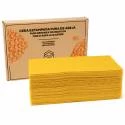 Beeswax Foundation 5kg
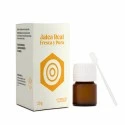 Fresh royal jelly 20g
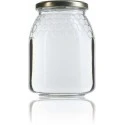 Classic honey jar 1kg comb-lines TO77 - Pack of 16 units
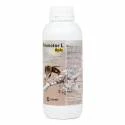 Promotor L Apis 1 litre


 Share in WhatsApp
70 L NOMINAL, 100 MAXIMUM: INNER TANK OF 595 × Ø 500 MM | 2.8 kW AT 230 V SINGLE-PHASE |
30-95 °C CONTROLLER RANGE: THE WATER NEVER PASSES 100 | 2 BALL VALVES OF 1": WAX ABOVE, WATER BELOW |
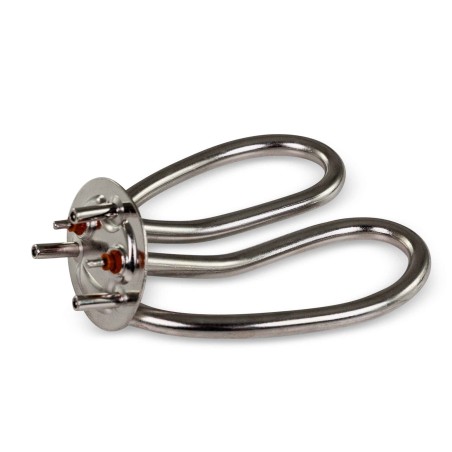
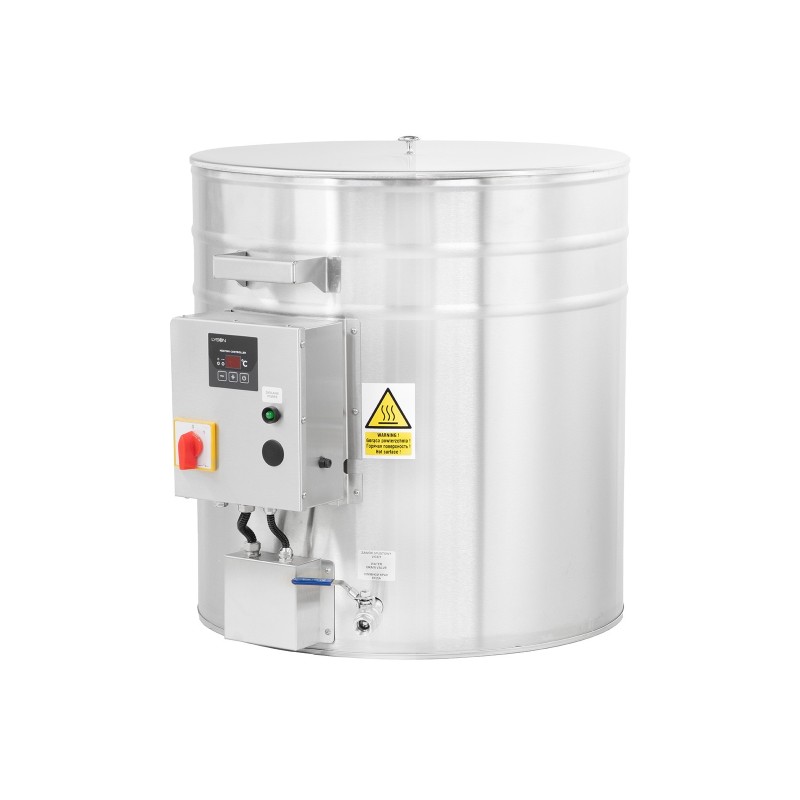
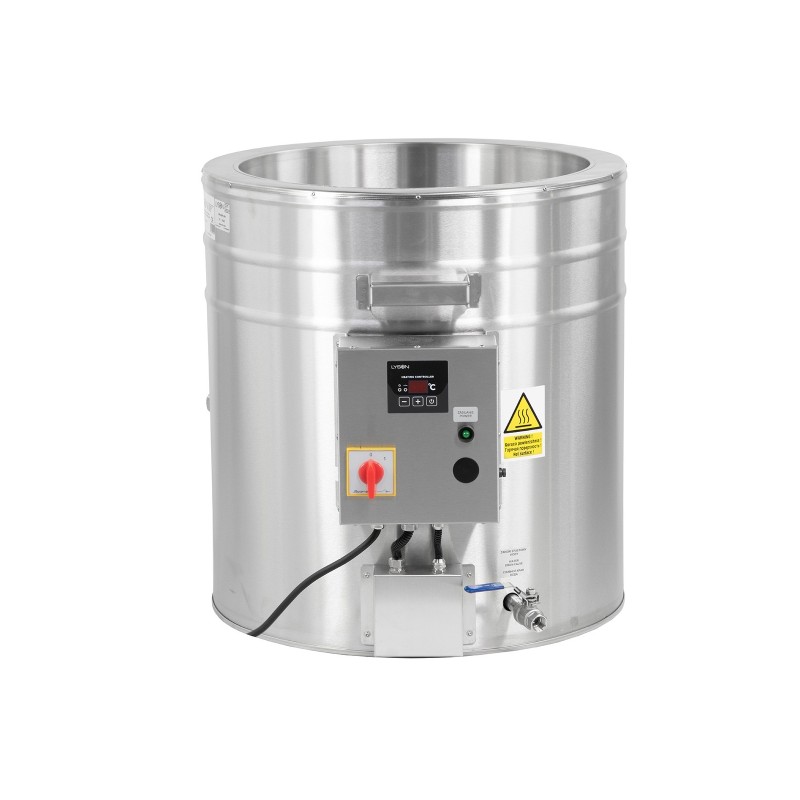
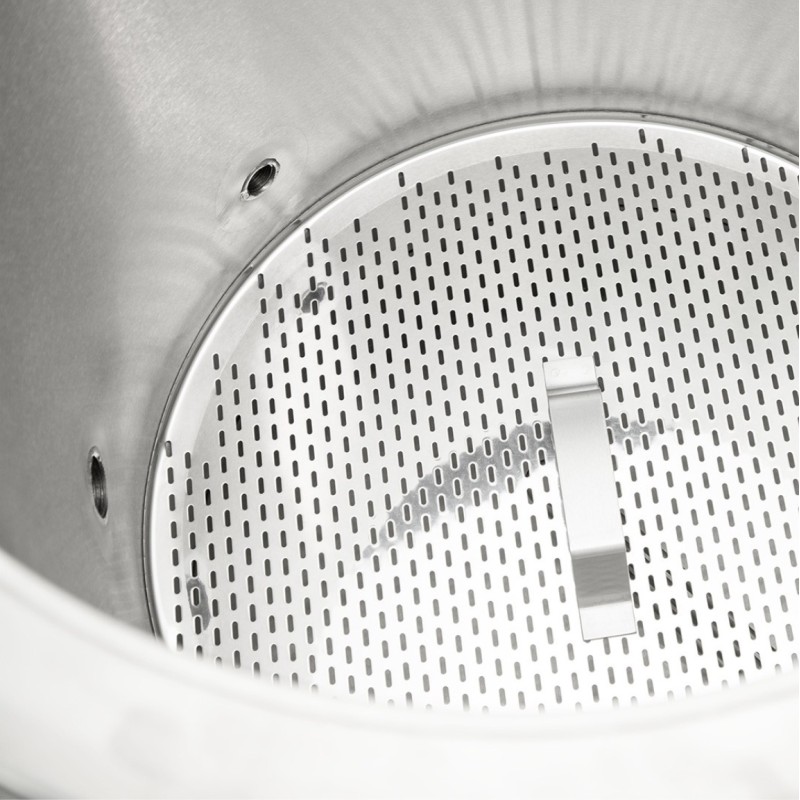
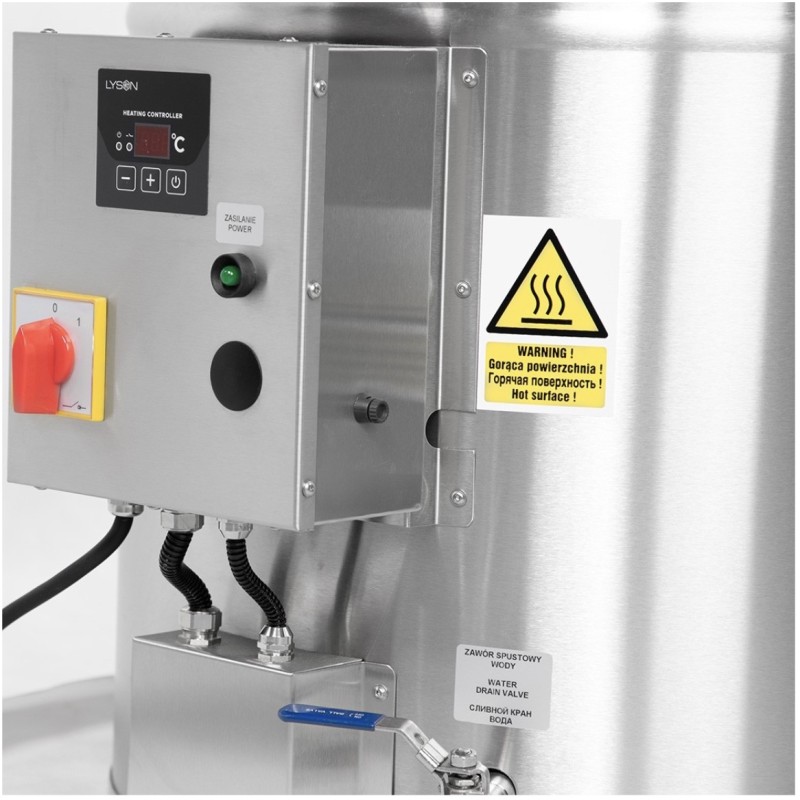
Hot-water bath wax melting boiler of 70 nominal litres, up to 100, in AISI 304 stainless steel: the heater warms the water in the jacket between the two walls and that water surrounds the 595 × Ø 500 mm inner tank, so the wax never touches the heating element. MHC controller from 30 to 95 °C, mineral wool jacket, perforated basket and two one-inch ball valves, one for wax and one for water. 2.8 kW at 230 V and 40 kg.
With water as the medium the wax cannot go above 100 °C, and that physical ceiling is what separates melting from burning.
01 · WHY A WATER BATH
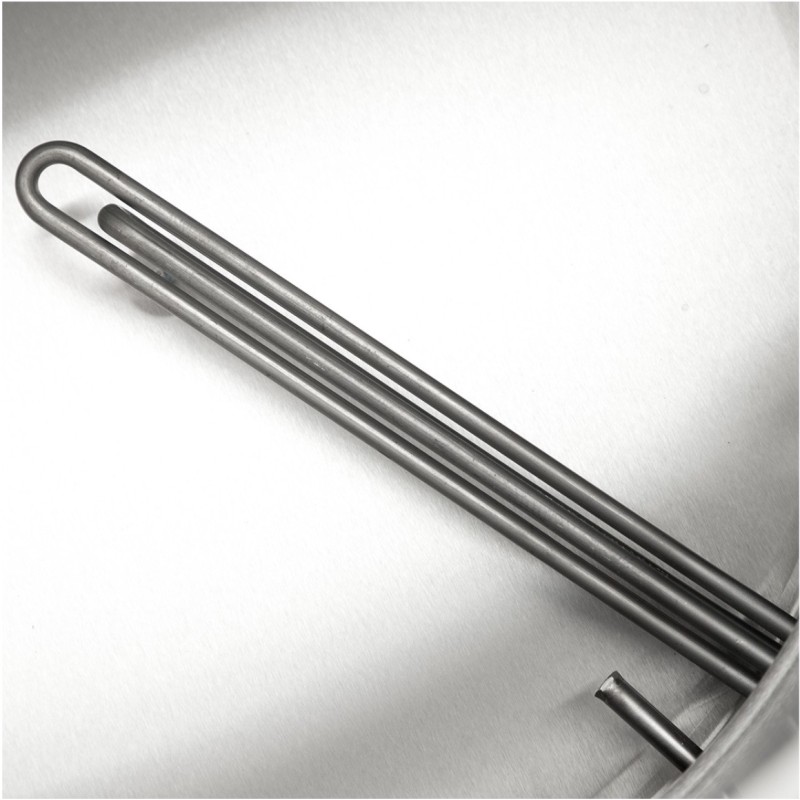
In a direct-heated wall melter the wax touches the element and hot spots appear that darken it and take the aroma out. Here the immersion heater warms only the jacket water, the water surrounds the inner tank on every side and the heat arrives evenly. Since the medium is water at atmospheric pressure, the temperature cannot pass 100 °C however far the knob is turned: physics sets the ceiling, not the electronics. The MHC controller adjusts between 30 and 95 °C, and for working wax 70-80 is enough.
02 · HOW IT IS WORKED
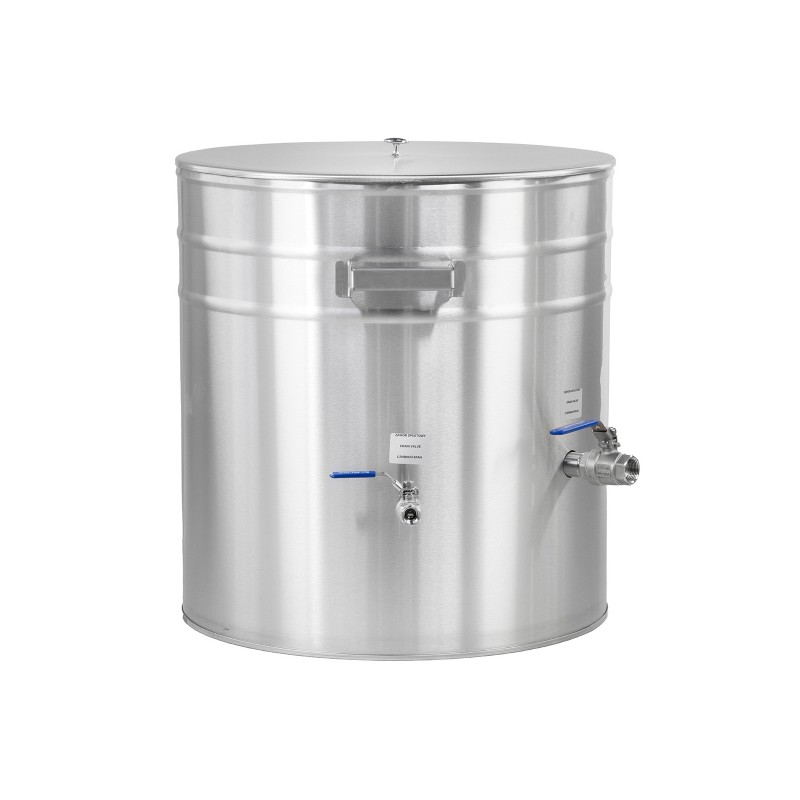
Chopped wax is loaded into the perforated sheet basket, which acts as a first filter: melted wax passes through the holes while cocoons, propolis and brood remains stay on top. At the bottom two outlets are separated, each with its one-inch ball valve: the wax one, higher up, and the water one, at the very bottom. That lets you draw clean wax without dragging dirty water and empty the bath at the end of the day without dismantling anything.
03 · HOW MUCH FITS AND HOW LONG IT TAKES
The inner tank measures 595 mm high by 500 across: 70 litres of nominal capacity and up to 100 at most if filled to the brim. The mineral wool jacket keeps the heat in instead of radiating it into the room, so it reaches temperature sooner and uses less than an improvised water bath. The 2.8 kW run on 230 V single-phase, domestic supply: no three-phase installation needed. It weighs 40 kg empty.
04 · WHAT IT DOES NOT DO
It is a melter for chopped wax, cappings and foundation offcuts, not a frame machine: to put whole frames in with their wood there is the steam boiler (2560, 1826). And melting is not sterilising: at 70-80 °C the destruction of American foulbrood spores is not guaranteed, so wax from an apiary with doubtful health is not recycled into foundation this way. For chopping the wax before loading and for the block mould, the rest of the range.
05 · BEFORE YOU BUY
The boiler is supplied with its basket and two valves; wax, moulds and the electrical connection come separately.
| ✓ FITS | Anyone recovering cappings and old wax in batches of tens of kilos who wants to melt without burning or rigging a water bath by hand. |
| ✕ DOESN’T FIT | Melting whole frames: steam boiler (2560, 1826). Sterilising wax from a diseased apiary: this does not do that. |
| ⚠ NOT INCLUDED | Wax, moulds or electrical installation. |
⚠ PRECAUTIONS
Never switch on without water in the jacket: the heater burns out dry. Top up the water that evaporates and use soft water, because lime leaves marks. Steam from the jacket burns: open the lid with your face away. Unplug before cleaning and do not empty hot wax onto plastic.
| Reference | W7053_230V |
|---|---|
| Brand | Łysoń |
| System | Hot water bath with a jacket between walls |
| Capacity | 70 L nominal; 100 L maximum |
| Inner tank | 595 mm high × Ø 500 mm |
| Power | 2.8 kW, 230 V single-phase |
| Controller | MHC, from 30 to 95 °C |
| Insulation | Mineral wool jacket |
| Valves | Two one-inch ball valves: wax and water |
| Material | AISI 304 stainless steel |
| Weight | 40 kg |
| Alternatives | Steam boilers for frames 2560 and 1826; 12 L jacketed boiler 1626 |
Data sheet
1 file available