 Apipasta with vitamins 15kg
 Beecomplet® Spring 14Kg
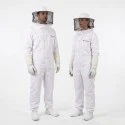 Beekeeper suit with round veil
 Oxalic acid 1kg
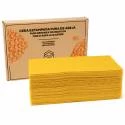 Beeswax Foundation 5kg
 Fresh royal jelly 20g
 Classic honey jar 1kg comb-lines TO77 - Pack of 16 units
 Promotor L Apis 1 litre

 Share in WhatsApp
3 ASSESSMENTS | ≈300 BEES / SAMPLE |
10 × 19 CM APPROX. SIZE | % MITES / 100 BEES |
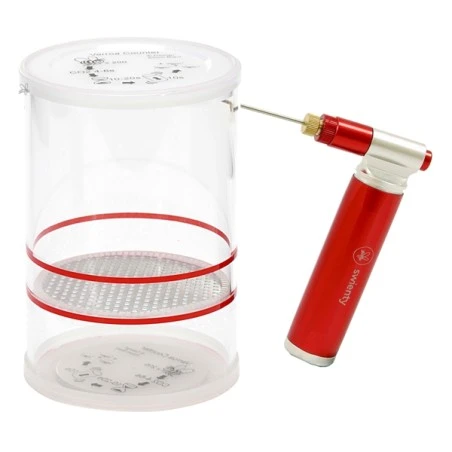
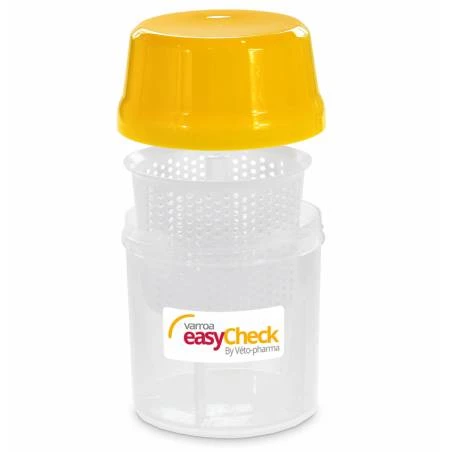
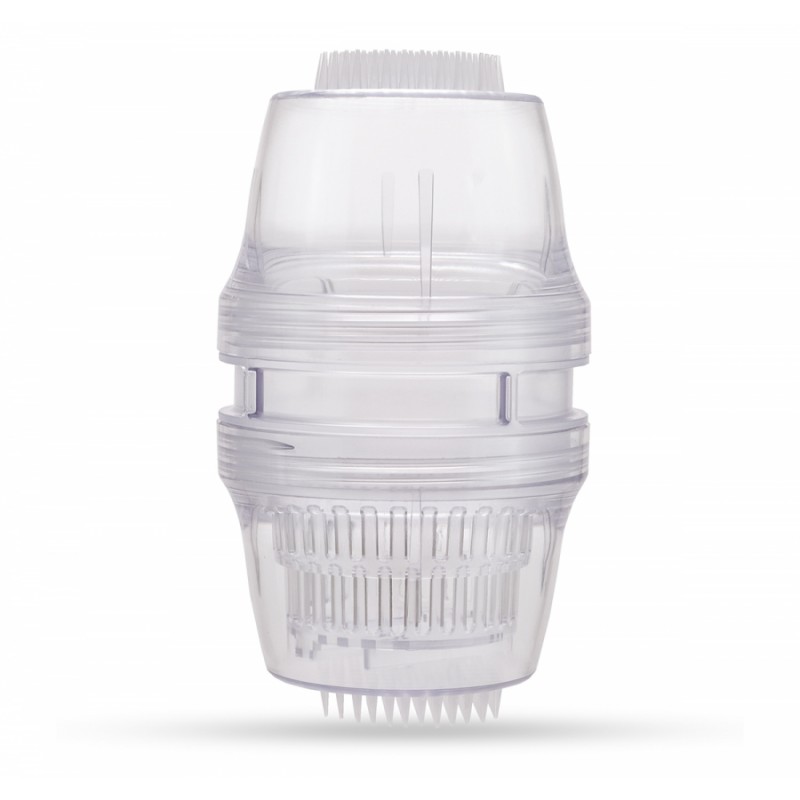
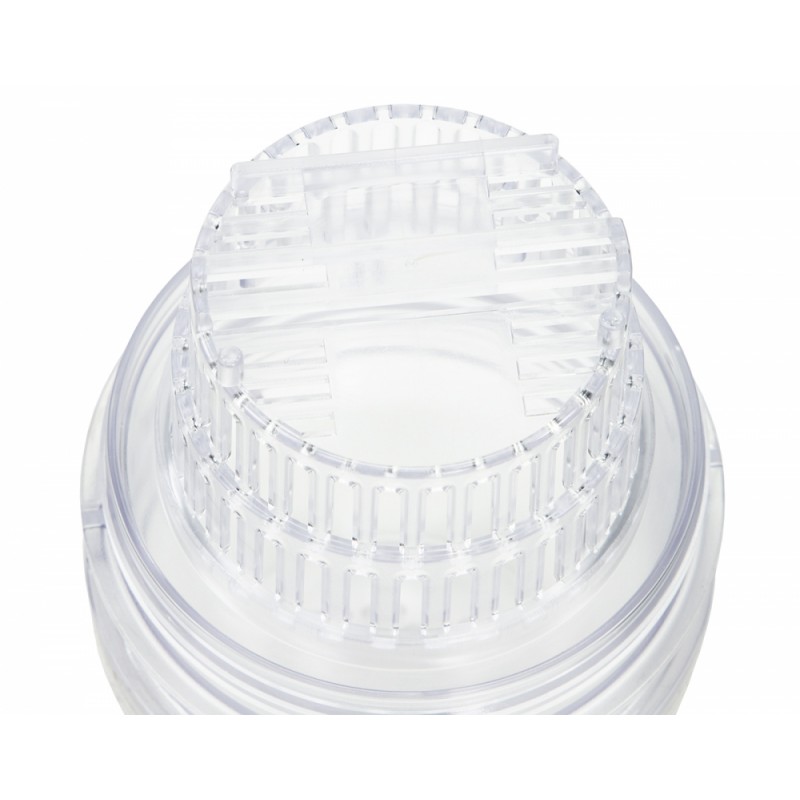
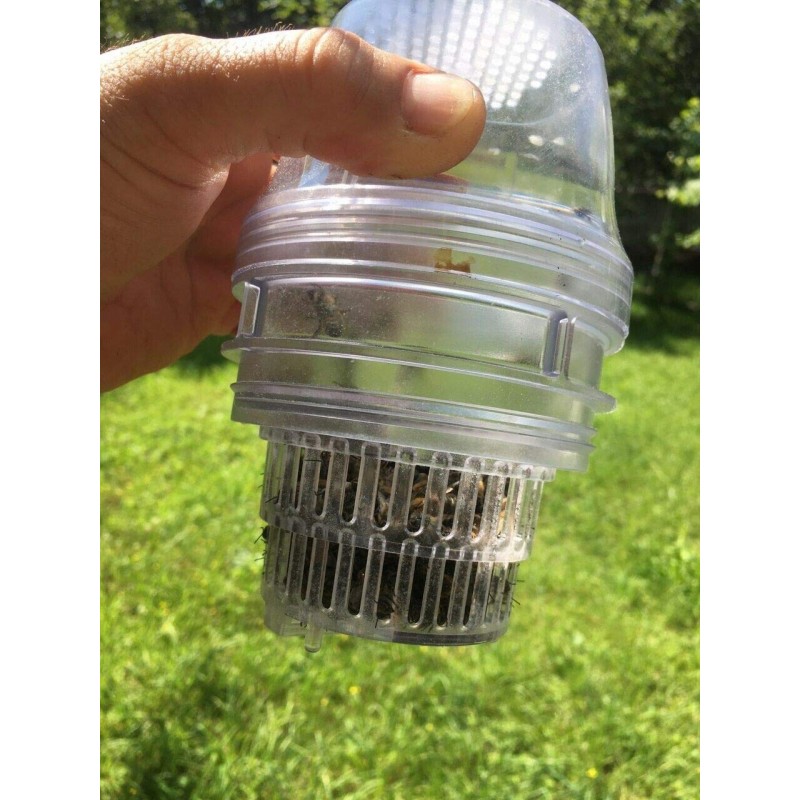
The ApiTek® 3-in-1 Varroa Tester combines three field assessments in one separable container: estimating Varroa on adult bees, comparative susceptibility screening and observing a colony's hygienic behaviour.
It is a monitoring tool, not a treatment or veterinary diagnosis. Its value depends on sound sampling, a consistent protocol and interpretation against current local guidance for the time of year.
01 · CHOOSE WHAT TO MEASURE
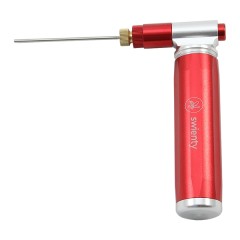
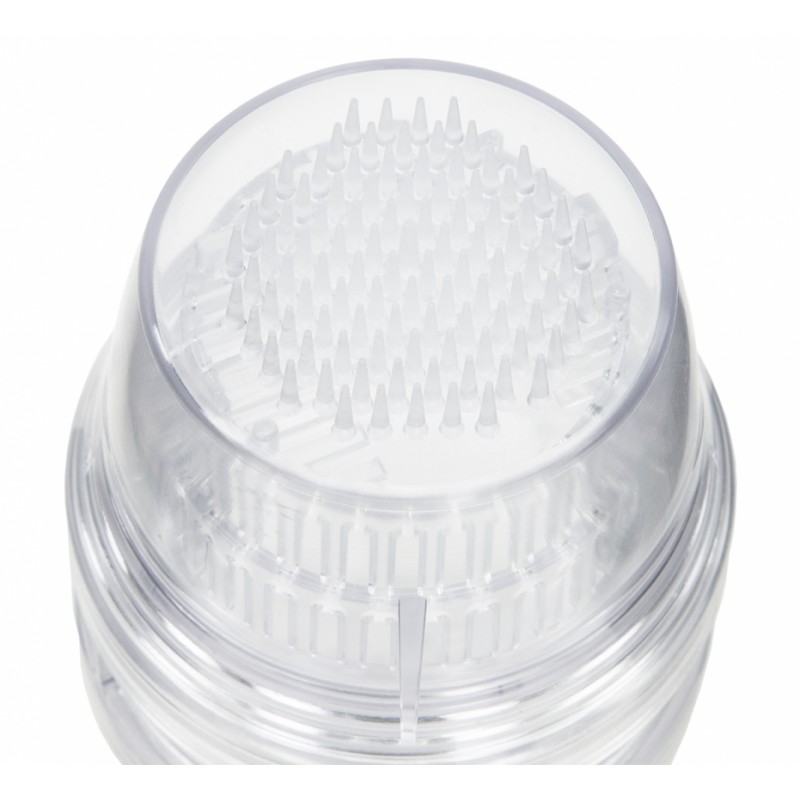
To estimate infestation, use the slotted chamber with powdered sugar and count the dislodged mites. The closed compartment supports the comparative assay that the model documentation associates with a medicated strip. The spiked end is for an invasive hygienic-behaviour test on capped brood. Each function answers a different question: a Varroa count does not measure hygiene, while neither of the other results replaces an infestation percentage. Record hive, date, brood phase, method, sample size and result so that later readings remain comparable rather than mixing protocols.
02 · PRODUCE A COMPARABLE COUNT
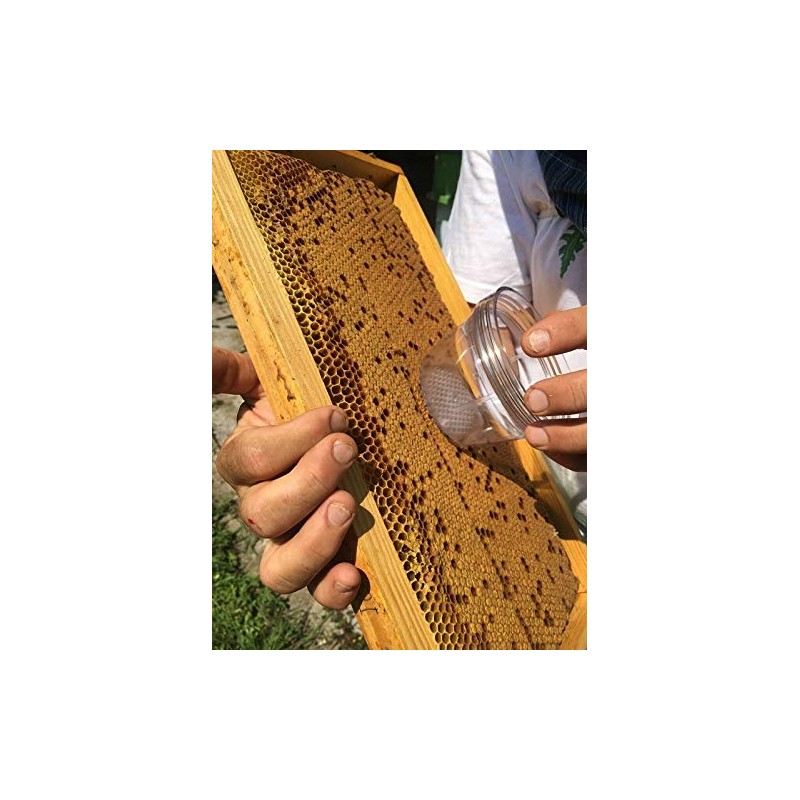
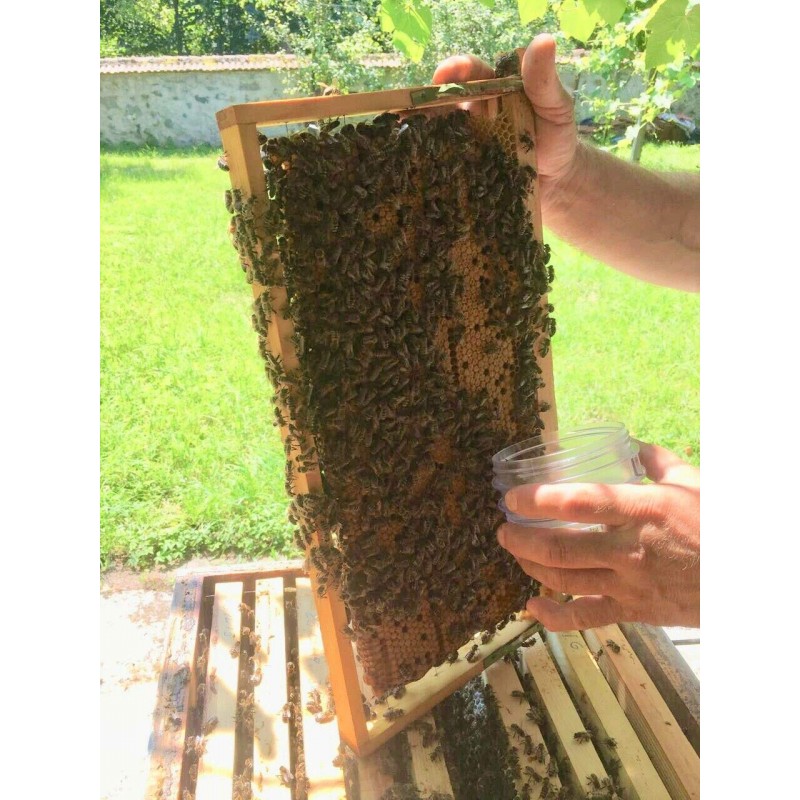
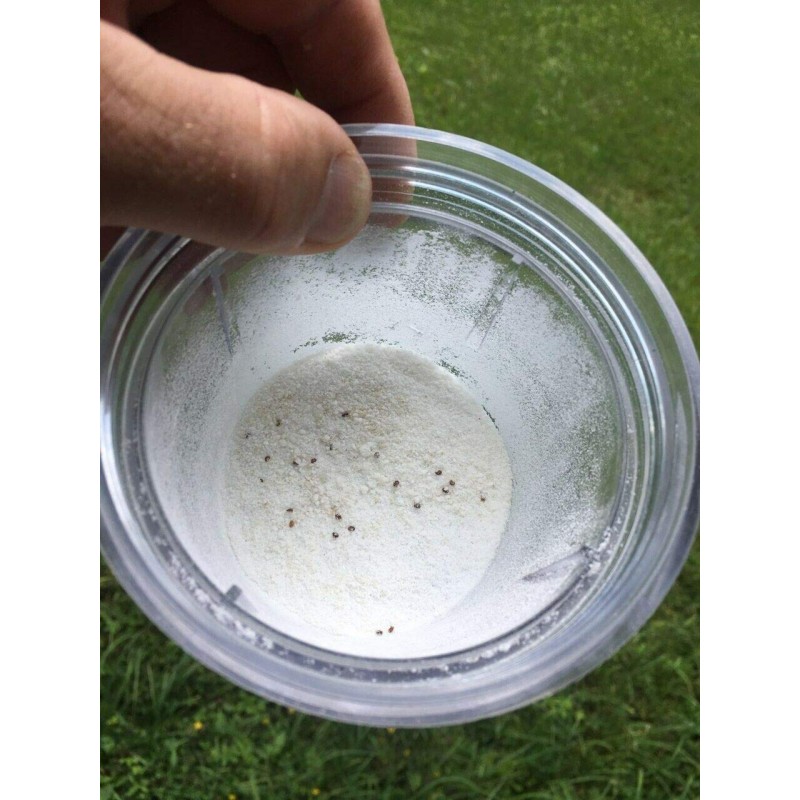
Collect approximately 300 adult bees from one to three brood combs, first checking that the queen is not in the sample. Put one teaspoon of fine powdered sugar in container C, close A with lid B, screw C onto the base and shake for 1–2 minutes until the bees are coated. Keep the duration consistent. Let most sugar fall into C, unscrew that container only, add water to dissolve the sugar and count the floating mites. Calculate mites ÷ bees × 100; with 300 bees, mites divided by three approximates the percentage. Return the bees to their colony afterwards. High humidity or nectar can make sugar and mites cling and cause an undercount. Powdered sugar is more variable than an alcohol or soap wash; repeat a doubtful result with the same method.
03 · HANDLE THE OTHER FUNCTIONS WITH CARE
The assay associated with a medicated strip involves live bees and a veterinary medicine. The current primary documentation does not display its final comparison rule in full, so this listing does not reproduce timings, fractions or treatment decisions. Use it only under veterinary or qualified guidance, with an authorised product and its current label; never cut, impregnate or improvise strips. The pin test can compare removal of deliberately damaged capped brood: mark the area, record the starting cells and recount at fixed intervals. The model documentation gives reference readings of more than 70% at 6 hours, more than 90% at 8 and 100% at 24. These are protocol references, not automatic proof of disease resistance, queen quality or overall colony health.
04 · BEFORE YOU BUY
Intervention thresholds vary by region, season, brood level and production objective. Compare the percentage with current local guidance and sample again after any treatment to check its effect. One sample can miss a rapid population change; if it conflicts with the colony picture, resample. Between colonies, separate, clean and dry the tester to avoid transferring residues, checking that any cleaning agent is material-compatible. Transparent plastic makes the contents visible, but cannot correct a small sample, inconsistent timing or an accidentally captured queen. Consumables are not documented as included: prepare sugar, a counting surface, water and protection separately and, only where legally appropriate, the prescribed veterinary product.
| GOOD FIT | Repeatable field monitoring with a standard sample, timing and written record. |
| DOES NOT REPLACE | Treatment, veterinary diagnosis or automatic queen and colony selection. |
| CRITICAL POINT | Exclude the queen, use local thresholds and resample after treatment. |
| Product | ApiTek® 3-in-1 Varroa Tester |
|---|---|
| LTA reference | 1095 · product 2042 |
| Functions | Varroa count · supervised comparative assay · hygienic-behaviour test |
| Indicative sample | Approximately 300 adult bees from 1–3 brood combs · exclude the queen |
| Calculation | Mites ÷ bees × 100 · with 300 bees: mites ÷ 3 ≈ % |
| Counting method | Powdered sugar; keep quantity, shaking, wait and collection consistent |
| Relative reliability | More variable than alcohol or soap wash; humidity and nectar may underestimate |
| Strip assay | Only with qualified direction, authorised medicine and current label |
| Hygienic test | Pin capped brood and count cleaned cells at fixed intervals |
| Reference readings | >70% / 6 h · >90% / 8 h · 100% / 24 h in the model documentation |
| Material | Transparent, separable and reusable plastic |
| Approximate dimensions | 10 cm diameter × 19 cm high |
| Consumables | Not documented as included; prepare for the selected method |
| After use | Separate, clean and dry between colonies |
| Status | Monitoring instrument; does not treat varroosis or confirm a diagnosis |

check_circle
check_circle