 Apipasta with vitamins 15kg
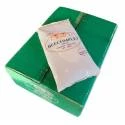 Beecomplet® Spring 14Kg
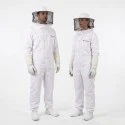 Beekeeper suit with round veil
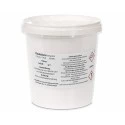 Oxalic acid 1kg
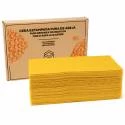 Beeswax Foundation 5kg
 Fresh royal jelly 20g
 Classic honey jar 1kg comb-lines TO77 - Pack of 16 units
 Promotor L Apis 1 litre
- Out of stock

 Share in WhatsApp
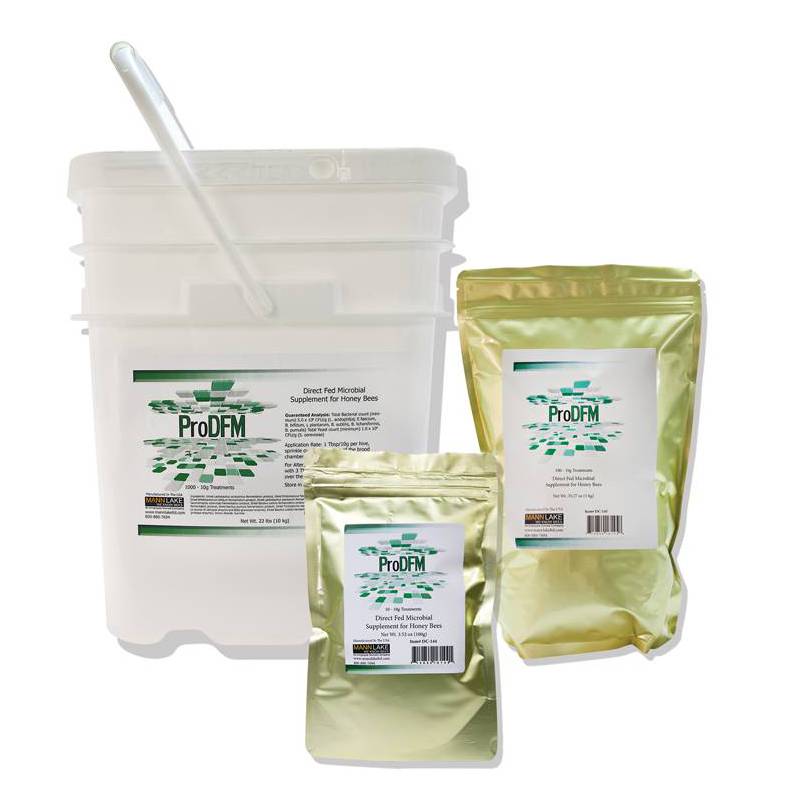
100 G PACK SIZE | 10 G PER HIVE |
10 THEORETICAL SERVINGS | 2 WEEKS MINIMUM GAP |
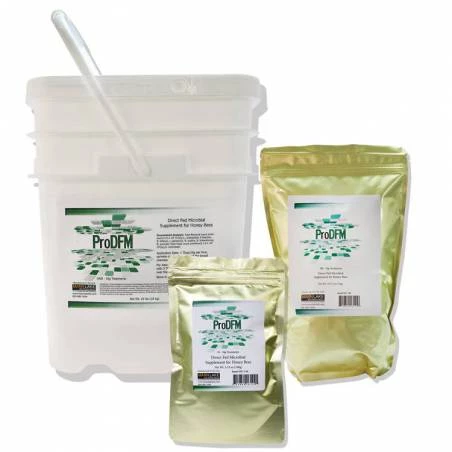
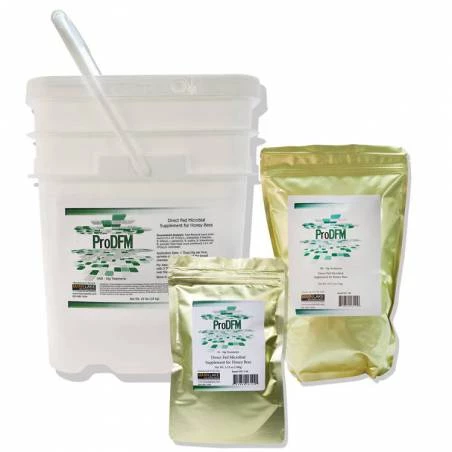
ProDFM 100 g is a complementary feed for honey bees containing dried microbial fermentation products, intended for occasional dry application across the top bars of brood-chamber frames.
It is not a medicine or a disease treatment. Consider it only as a supplement within nutritional management, after assessing stores, incoming forage, colony strength, brood, recent stress and the colony's health status.
01 · CHECK WHETHER IT FITS
Inspect the colony before use and establish a specific reason for supplementary feeding, such as a seasonal shortage, recovery after transport or another stress period, or a professionally defined programme. Commercial directions place application in spring and autumn, but a change of season alone does not make every colony need it. Abnormal uptake, patchy brood, mummies, diarrhoea, dwindling or signs consistent with varroosis, Nosema, foulbrood or chalkbrood call first for investigation and the appropriate authorised management or treatment. Placement in a chalkbrood-related shop category is not evidence of efficacy against the disease. Do not expect prevention, cure, colony recovery, extra population or increased honey yield.
02 · WEIGH AND APPLY DRY
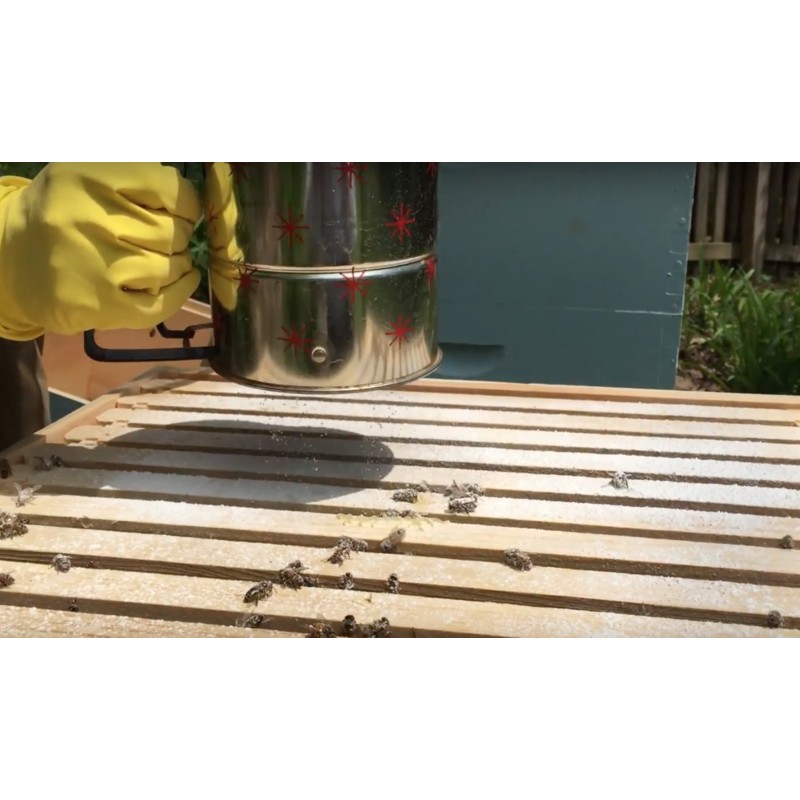
Weigh 10 g per hive to keep the amount consistent; one tablespoon is only an approximation. For the direct method, sprinkle those 10 g across the top bars of frames in the brood chamber. The documented alternative is to blend 10 g of ProDFM with 30 g of powdered sugar —40 g of dry mixture in total— and distribute it over the same area. No verified direction supports dissolving it in syrup, dusting it directly onto bees or placing it on honey supers. A 100 g pack gives a theoretical ten 10 g applications: that might mean one application in ten hives or another equivalent allocation, not ten complete disease treatments. Use a dry scale and utensil, and never return contaminated leftovers to the pack.
03 · SEPARATE IT FROM TREATMENTS AND HARVEST
Current directions require a minimum two-week wait after treatments for varroa, Nosema or foulbrood, including products based on essential oils. Do not combine or apply it alongside medicines, antimicrobials or acaricides. Where directions conflict or compatibility is uncertain, the current veterinary leaflet, physical product label and qualified advice prevail. As a conservative safeguard, do not use it during a commercial nectar flow or while harvest supers are fitted unless current local directions expressly authorise the programme and control the risk to honey. Keep the bag tightly closed in a cool, dry place, and follow the batch, date and storage conditions printed on the unit received.
04 · BEFORE YOU BUY
Commercial material presents ProDFM as a microbial supplement, but a product-specific independent cage study found that after five days its component taxa averaged under 1% and established poorly in the bee gut. That experiment —about 15 bees per cup cage and administration different from the hive direction— neither demonstrates harm nor rules out a field benefit. It does prevent firm claims of persistent colonisation, microbiota restoration, stronger immunity, increased vitellogenin, detoxification or disease control. The PDF currently attached to the listing covers a 1 kg format and carries a 2016 revision. For composition, microbial counts, storage and expiry, the current physical label on the 100 g pack must prevail; do not rely on CFU figures whose exponent cannot be verified.
| MAY FIT | Occasional support where a nutritional or management need has been identified. |
| NOT A TREATMENT | Does not prevent or cure chalkbrood, Nosema, varroosis, foulbrood or other disease. |
| LABEL PREVAILS | Confirm composition, batch, date and compatibility on the 100 g unit received. |
| Product | ProDFM 100 g |
|---|---|
| LTA reference | PDF100 · product 938 |
| Type | Complementary feed for honey bees · microbial supplement |
| Pack size | 100 g |
| Dose | 10 g per hive |
| Theoretical yield | Ten 10 g applications · not disease-treatment courses |
| Direct application | Sprinkle dry across brood-chamber frame top bars |
| Alternative | 10 g product + 30 g powdered sugar · 40 g total |
| Syrup | No verified direction; do not dissolve on your own initiative |
| Separation | At least 2 weeks after the stated treatments or essential oils |
| Honey crop | Never apply on supers; avoid commercial flows unless expressly authorised locally |
| Stated composition | Dried bacterial and yeast fermentation products, fermentation extracts, sucrose and silica; verify label |
| Storage | Closed pack, cool and dry; follow the physical date and batch |
| Accessories | No included spoon or scale is documented |
| Evidence | Cage study limits colonisation claims; it does not test field efficacy |
| Status | Feed supplement; not a medicine or substitute for diagnosis and treatment |
1 file available

check_circle
check_circle