 Apipasta with vitamins 15kg
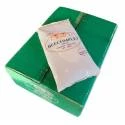 Beecomplet® Spring 14Kg
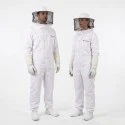 Beekeeper suit with round veil
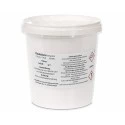 Oxalic acid 1kg
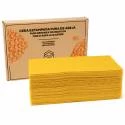 Beeswax Foundation 5kg
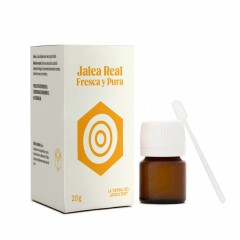
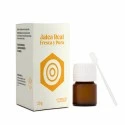 Fresh royal jelly 20g
 Classic honey jar 1kg comb-lines TO77 - Pack of 16 units
 Promotor L Apis 1 litre

 Share in WhatsApp
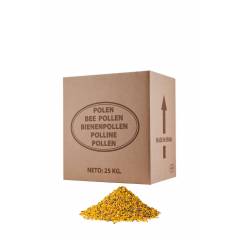
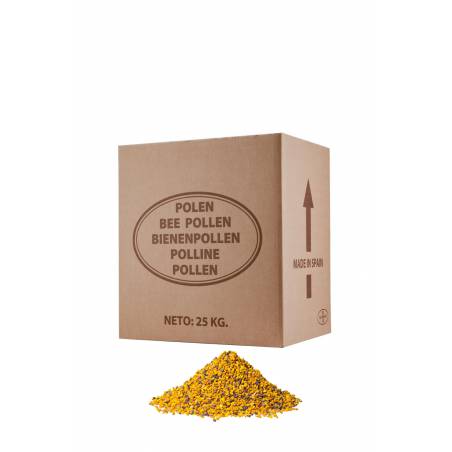
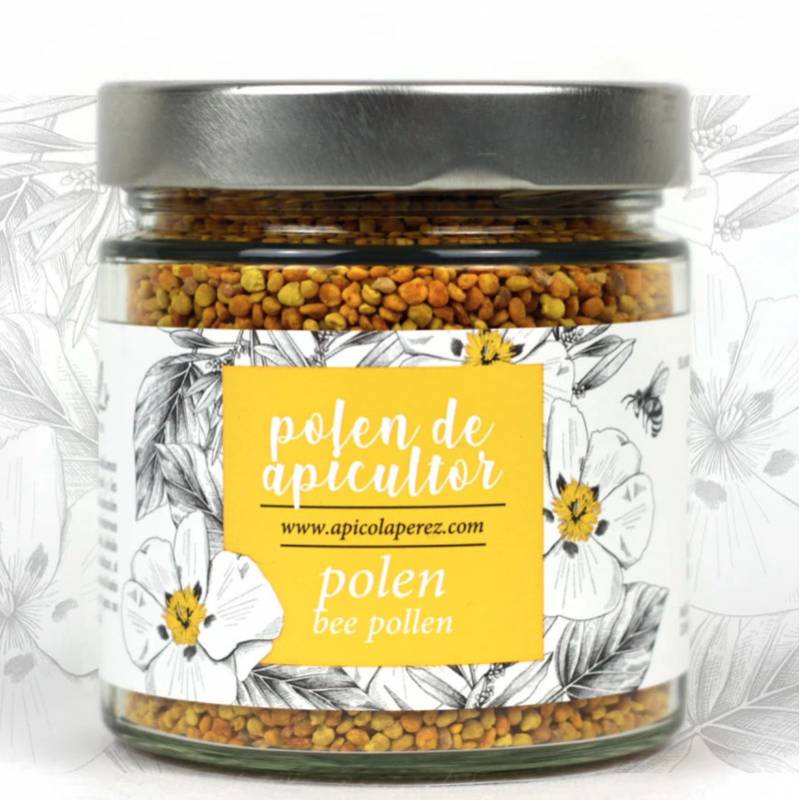
Bee pollen harvested by beekeepers in Spain, in a 200 g jar.
Pollen is not a uniform product: every pellet comes from a different flower, which is why a jar holds pellets of different colours — yellows, oranges, ochres, almost black. That mixture is what field-harvested pollen looks like.
01 · BUILD
The composition of pollen varies with its botanical origin, and colour and flavour vary with it. A jar from a steppe area does not taste like one from chestnut, and one harvest does not taste like the next. If you were expecting a uniform product, that variation is not a fault: it is where it comes from.
02 · CLEANING
Dry pollen attracts moths, weevils and rodents, so store it dry, clean, cool, dark and well closed. Kept properly, the indicative shelf life of dried pollen is around a year. Heat and damp are what spoil it: they encourage mould and fermentation.
03 · BEFORE YOU BUY
For nutritional information, ingredients and best-before date, the product label is the reference. Here we describe what it is and how to keep it, not what it provides.
| ✓ FORMAT | 200 g jar of pollen harvested in Spain. |
| ⚠ ALLERGENS | Pollen contains allergenic proteins. |
⚠ WARNING
Pollen contains allergenic proteins. People with allergies, asthma or pollen sensitivity should consult and follow the product label before consuming it.
| Product | Bee pollen |
|---|---|
| Origin | Harvested by beekeepers in Spain |
| Format | 200 g jar |
| Storage | Dry, cool, dark and well closed |
| Indicative shelf life | Around a year for well-kept dried pollen |

check_circle
check_circle