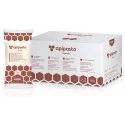
 Apipasta with vitamins 15kg
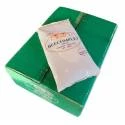 Beecomplet® Spring 14Kg
 Beekeeper suit with round veil
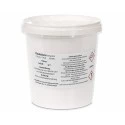 Oxalic acid 1kg
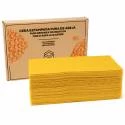 Beeswax Foundation 5kg
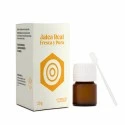 Fresh royal jelly 20g
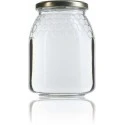 Classic honey jar 1kg comb-lines TO77 - Pack of 16 units
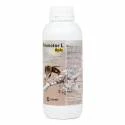 Promotor L Apis 1 litre

 Share in WhatsApp
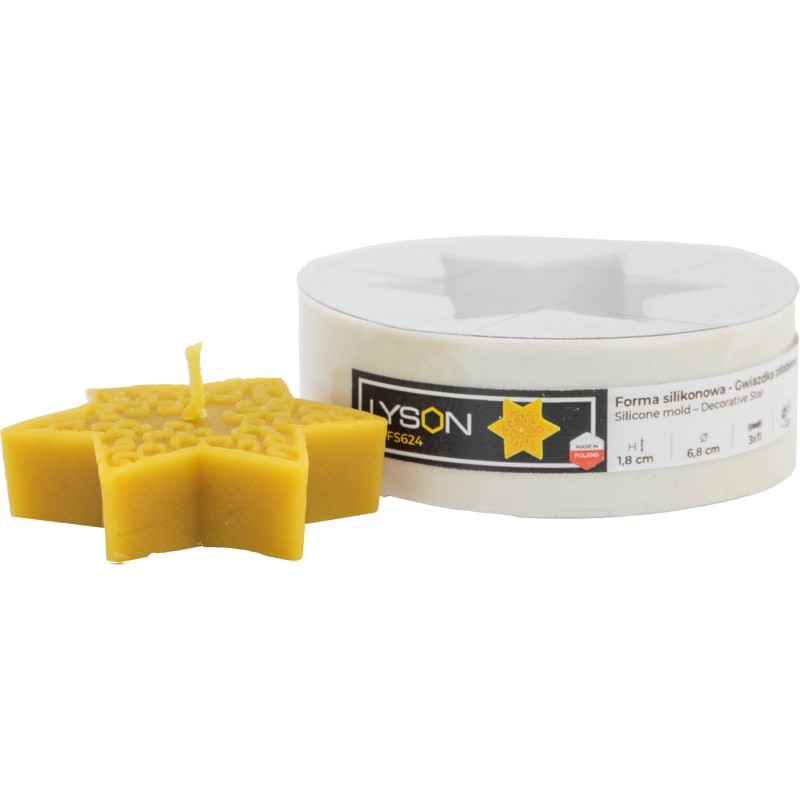
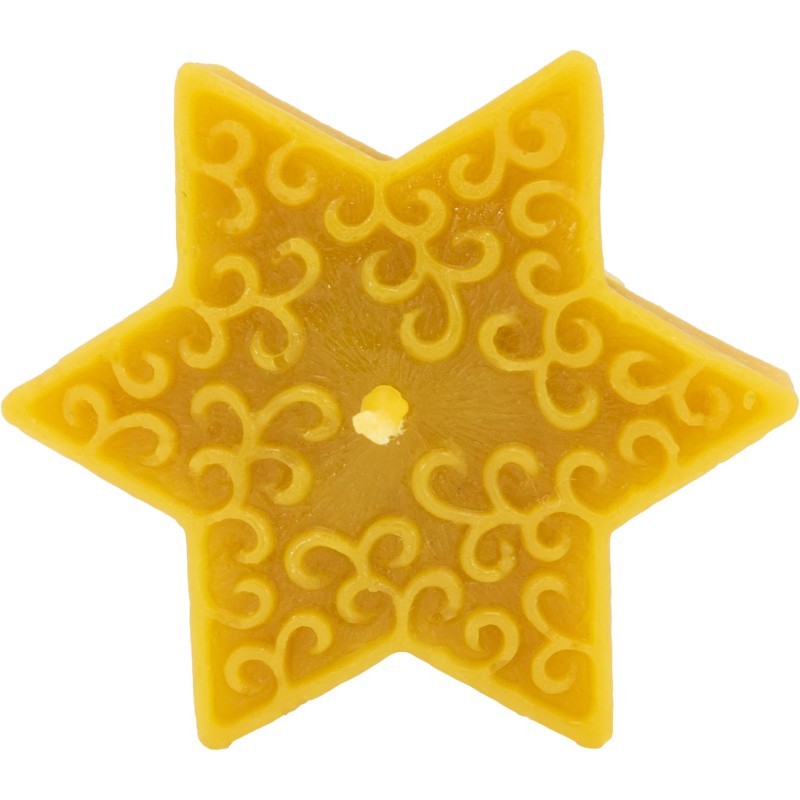
Silicone mould for a flat six-pointed star candle with raised filigree: 6.8 cm across, 1.8 cm thick and about 32 g of wax.
A small candle for the Christmas table that gives about 31 stars per kilo of wax, with the 3×11 wick LYSON recommends.
01 · WICK AND POURING
It is a mould without a slit, so no rubber bands: the 3×11 wick is threaded through the mark in the bottom of the cavity, held taut at the top with a stick, and the mould is filled from above. Pour the beeswax at 70-75 °C in one go, without pauses: a stop-start pour leaves lines on the patterned face.
02 · THE BASE
Wax shrinks as it cools, and the poured face, which becomes the base, sets uneven. Level it while the piece is still warm, trimming the excess with a knife, because cold wax splinters. Then unmould once it is completely cold, flexing the silicone outwards so the points do not break.
03 · BEFORE YOU BUY
A thin flat candle is always lit on a plate. And a mould used with wax does not go back to the kitchen: LYSON does not intend it for food.
| ✓ FITS | Christmas table favours in batches: about 31 candles per kilo of wax. |
| ✕ DOESN'T FIT | Anyone after a long-burning candle: it is 1.8 cm thick. |
| ⚠ NOT INCLUDED | Wax, wick or release spray. |
| Reference | FS624 |
|---|---|
| Design | Six-pointed star with filigree |
| Finished candle | 6.8 cm × 1.8 cm thick |
| Wax per piece | About 32 g, some 31 candles per kilo |
| Recommended wick | 3×11, not included |
| Mould type | No slit; the wick goes through the mark in the base |
| Pouring temperature | 70-75 °C |
| Material | Flexible silicone; not for food use |
Data sheet
Specific References
Write your question
check_circle
check_circle