 Apipasta with vitamins 15kg
 Beecomplet® Spring 14Kg
 Beekeeper suit with round veil
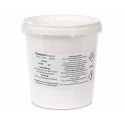 Oxalic acid 99% 1kg
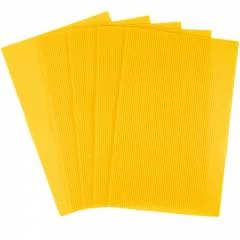
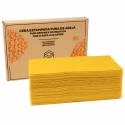 Beeswax Foundation 5kg
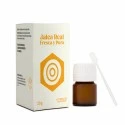 Fresh royal jelly 20g
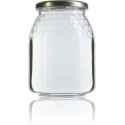 Classic honey jar 1kg comb-lines TO77 - Pack of 16 units
 Promotor L Apis 1 litre
- Best seller



 Share in WhatsApp
20 m ROLL | 3 SIZES: 2 · 3 · 5 |
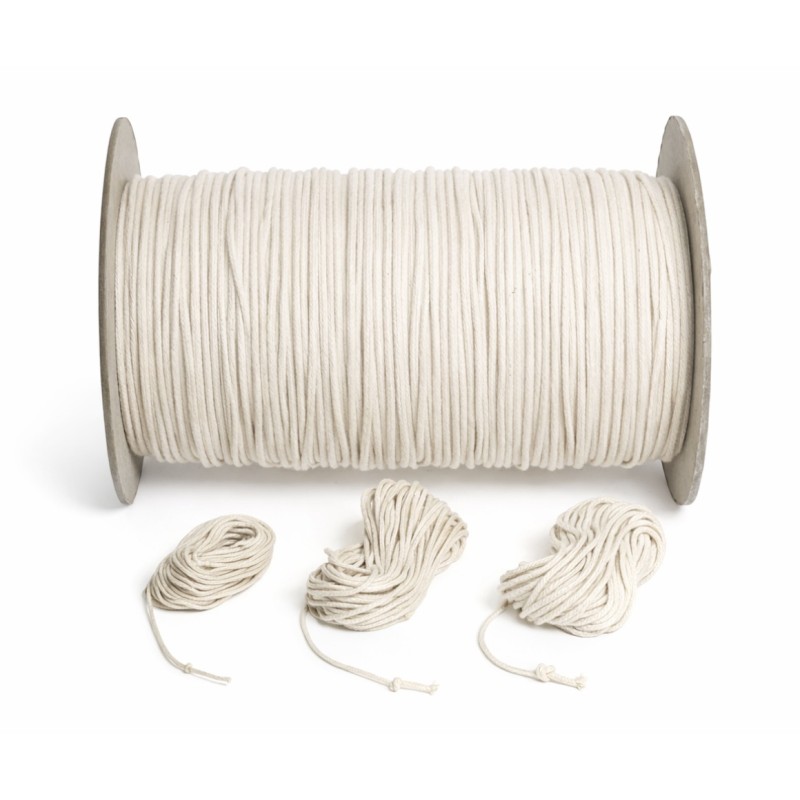
100 % cotton wick with a square braid, sized for beeswax candles. A 20 m roll in three thicknesses.
The size is not just a finishing detail: it determines whether the candle keeps burning or the flame is drowned. Use the table below as a starting point for your first test candle.
01 · WHY ANY WICK WON'T DO
Beeswax melts at around 63–65 °C, above many paraffin or soya wax formulations. The wick must draw up enough molten wax to feed the flame: if too thin, it may cause tunnelling and eventually drown; if too thick, the flame and wax consumption increase. A square braid has its own arrangement and thickness of cotton strands, so the same size number should not be treated as equivalent across different wick families.
02 · WHICH SIZE TO CHOOSE
| Fine (2) | Starting guide: candles 2–3 cm in diameter; rolled foundation candles, small votives and slim tapers. |
|---|---|
| Medium (3) | Starting guide: candles 3–5 cm in diameter; moulded and poured candles of that width. |
| Thick (5) | Starting guide: candles 5–7 cm in diameter; pillars and substantial candles. Confirm with a burn test. |
Choose the size for the candle diameter and the wax you will use, not just its height. For tapered or irregular shapes, also check the widest section that needs to burn. If in doubt between two sizes, test one of each before making a batch: a thicker wick may produce a larger flame, which cannot always be corrected by trimming it. In wide containers, a multi-wick arrangement needs its own tests for spacing and combustion.
03 · WITH OTHER WAXES
The manufacturer lists square-braided wick for paraffin waxes, stearins and beeswax. A change of wax or blend may require a different size: test a complete candle using the formulation, mould or container you intend to use before repeating the batch. It is 100% cotton, without a metal core, and has a low-smoke treatment that also stops the wick smouldering after the candle is put out, as confirmed by the supplier. Pure cotton and unwaxed do not mean untreated cotton.
For a container candle, also watch the final burn cycles: as the wax level drops, heat can build up and change the flame. For a pillar or other freestanding candle, an outer wall of wax may be desirable to contain the melt pool; do not automatically increase the wick size to melt all the way to the edge. Test away from draughts and record the wax, diameter and wick size used.
04 · BEFORE YOU BUY
A 20 m roll contains 2,000 cm. To calculate material for a batch, divide that length by the length of each cut, allowing for the candle height and the ends needed to tie or secure the wick. For example, 20 cm cuts give 100 pieces before allowing for working waste. It comes unwaxed: use it as supplied or pass it through molten wax at around 70 °C to stiffen it and make threading a mould easier. Cut with ordinary scissors. Before making a batch, burn-test on a heat-resistant surface and watch the candle throughout. For rolled candles, position the wick at the edge of the foundation sheet and roll with even tension; for moulds, thread it through the central hole and tie it at the base.
| ✓ FITS | Beeswax candles — rolled, moulded or poured — from 2 to 7 cm in diameter. |
| ✕ IT HAS NO | Metal tab or sustainer: it is bulk wick, cut to length. |
| ⚠ NOTE | For wide containers or several wicks, test the complete arrangement before making a batch; spacing affects the flame and heat build-up. |
| Material | 100 % cotton, no metal core |
|---|---|
| Braid | Square section |
| Treatment | Low-smoke treatment that stops the wick smouldering after the candle is put out, as confirmed by the supplier. |
| Sizes | Fine (2) · Medium (3) · Thick (5) |
| Candle diameter | LTA starting guide: 2–3 cm (fine 2), 3–5 cm (medium 3) and 5–7 cm (thick 5). Check with a test candle and your chosen wax. |
| Format | 20 m roll, unwaxed |
| Reference wax | Beeswax, melting point 63-65 °C |
| Indicative yield | 2,000 cm divided by the length of each cut; allow for securing ends and working waste. |
| Weight | 10 g |
Write your question