 Apipasta with vitamins 15kg
 Beecomplet® Spring 14Kg
 Beekeeper suit with round veil
 Oxalic acid 1kg
 Beeswax Foundation 5kg
 Fresh royal jelly 20g
 Classic honey jar 1kg comb-lines TO77 - Pack of 16 units
 Promotor L Apis 1 litre

 Share in WhatsApp
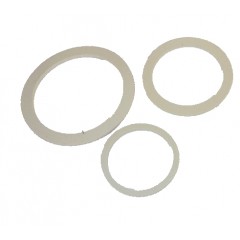
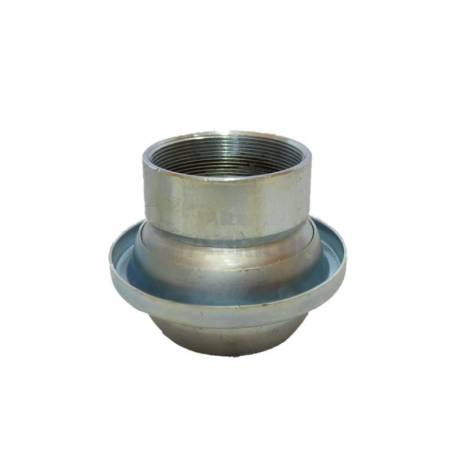
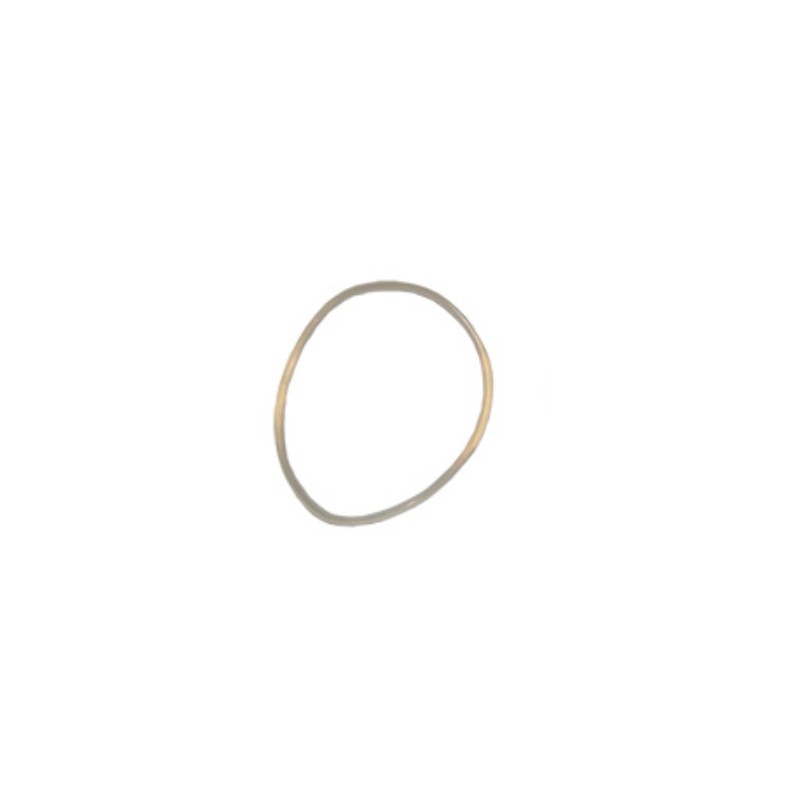
Replacement inner gasket for the bulkhead fitting of a 1½″ honey gate, nominal connection 40/49.
It is the part that seals against the wall, not the one that shuts off the flow. If your tank drips outside the gate rather than from its spout, this is usually the culprit.
01 · WHERE IT GOES
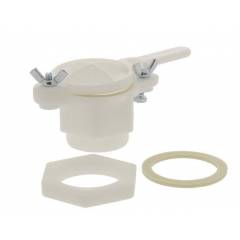
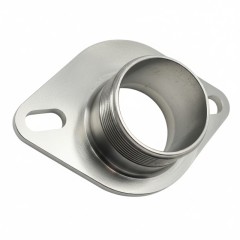
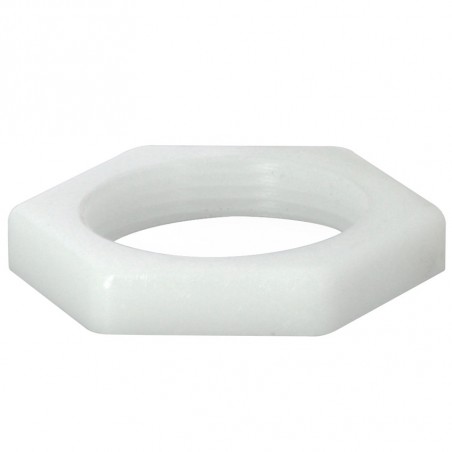
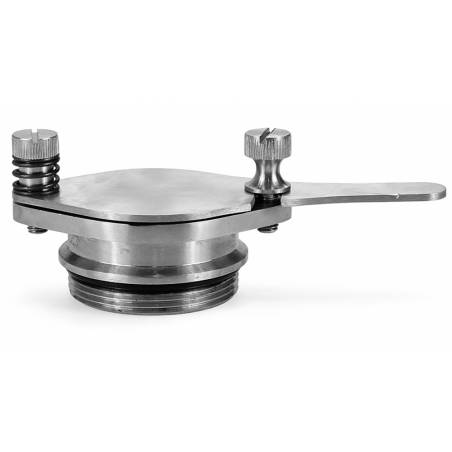
The gate goes through the wall of the tank from the outside; on the inside go the gasket and then the nut, which on tightening compresses the gasket against the wall and makes the seal. They are sold separately because they wear at different rates: the gate lasts years, the nut usually survives, and the gasket is the one that gives.
02 · WHEN TO REPLACE IT
An old gasket stays flattened with the imprint of the nut and never recovers its thickness. At that point it seals by luck rather than by pressure, and tightening harder only finishes it off. You notice before it drips: honey weeping around the collar is the sign.
03 · ASSEMBLY
Take out the old gasket, scrape the crystallised honey off the seat and check the wall has not been left marked. Fit the new one without pinching it: if it folds going in, it will split along that crease in the first season. Tighten by hand plus a quarter turn; pliers deform it. Test with water before filling with honey.
04 · BEFORE YOU BUY
An inch and a half is not enough to go on: measure the profile of the gasket you take out and the shape of its seat, because manufacturers do not all use the same.
| ✓ FITS | 1½″ honey gates with nominal 40/49 connection and the same seat profile. |
| ✕ DOESN'T FIT | 1″ (33/42) and 2″ (50/60) gates, which take their own gasket. |
| ⚠ NOT INCLUDED | Gate or tightening nut. They are the other two parts of the fitting and go separately. |
| Function | Inner seal of the bulkhead fitting |
|---|---|
| Nominal size | 1½″ (40/49 connection) |
| Reference | JUNT002 |
| Contents | Gasket only; no gate or nut |

check_circle
check_circle