 Apipasta with vitamins 15kg
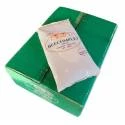 Beecomplet® Spring 14Kg
 Beekeeper suit with round veil
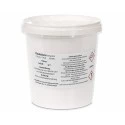 Oxalic acid 1kg
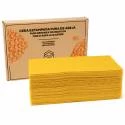 Beeswax Foundation 5kg
 Fresh royal jelly 20g
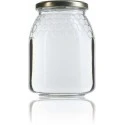 Classic honey jar 1kg comb-lines TO77 - Pack of 16 units
 Promotor L Apis 1 litre

 Share in WhatsApp
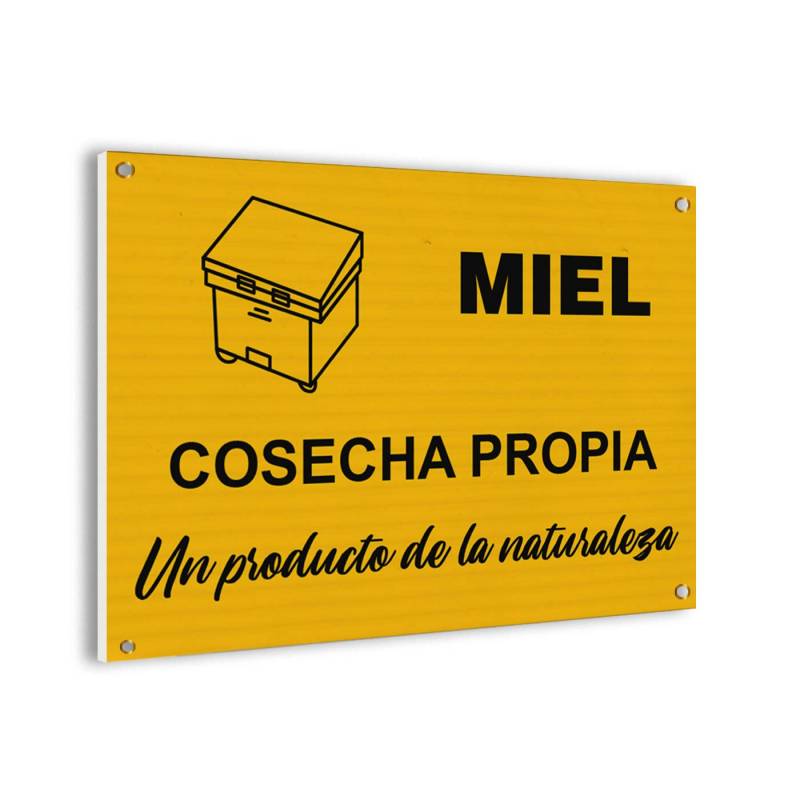
Yellow polypropylene sign, 350 × 250 mm, reading «MIEL · COSECHA PROPIA» — honey, own harvest — with four fixing holes.
It announces the point of sale; it does not cover what is sold there. And the wording it carries is a claim about origin, with everything that implies.
01 · WHAT IT CLAIMS
Hanging this sign tells the customer the honey came out of your hives. If there is honey bought from another beekeeper on the same table, the wording stops being true for that part and it is worth keeping your own separate from what is not. The origin of honey is regulated information: what you advertise has to match what each jar says.
02 · THE LABEL IS SEPARATE
Signage and labelling are different things. Every container still needs its own label with the mandatory information — responsible operator, quantity, date, batch and origin — and the origin rules changed with the legislation in force since June 2026. Check your label against the current text and do not take a format from a few years back as valid.
03 · PLACEMENT
Polypropylene stands the weather better than card and does not go soft with the morning damp. The four holes are there to be used: tied by two, the wind makes it flap and the tear starts at the hole. Put it where it can be seen from the track, at a height where it reads without winding the window down.
04 · BEFORE YOU BUY
The text is in Spanish. Check as well what your region requires for direct selling: the sign is a commercial draw, not a permit.
| ✓ FITS | Sales at the apiary itself, market stalls and the entrance to the holding. |
| ⚠ NOT INCLUDED | Cable ties, screws or post. Nor the labels for the jars. |
| Material | Polypropylene |
|---|---|
| Dimensions | 350 × 250 mm |
| Wording | MIEL · COSECHA PROPIA (Spanish) |
| Fixing | Four holes |
| Reference | CART001 |

check_circle
check_circle