
-
Beehives
- Complete beehive
- Accessories
-
Nuc hives
- Nucs by format
- With bees & mating
- Spare parts
-
Bee equipment
- For the apiary
- For the beekeeper
-
Clothing
- Clothing Accessories
-
Beeswax
-
Pure beeswax
- Beeswax and foundation
- Beeswax foundations
- Melting and rolling beewax
-
Pure beeswax
-
Bee feed
- Accessories and source materials
- Utensils
-
Bee health
- Varroa Treatments
- Diseases control
- Nutraceuticals
-
Extraction and bottling
- Before extraction
- Honey extraction
- After extraction
-
Bee pollen
- Harvest
- Indicted
-
Honey packaging
- Flasks per utility
- Flasks by size
- Other packaging
 Apipasta with vitamins 15kg
 Beecomplet® Spring 14Kg
 Beekeeper suit with round veil
 Oxalic acid 1kg
 Beeswax Foundation 5kg
 Fresh royal jelly 20g
 Classic honey jar 1kg comb-lines TO77 - Pack of 16 units
 Promotor L Apis 1 litre
Pollen traps
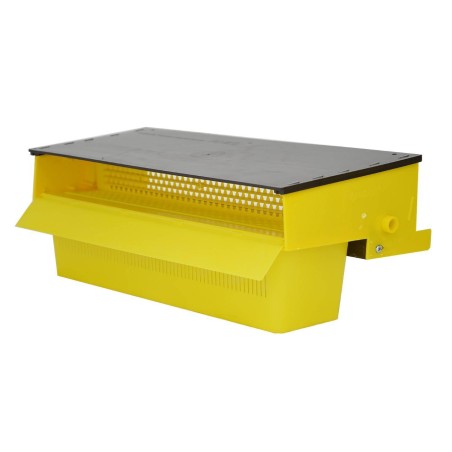
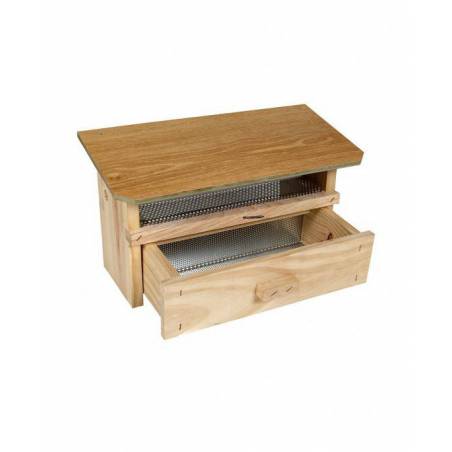
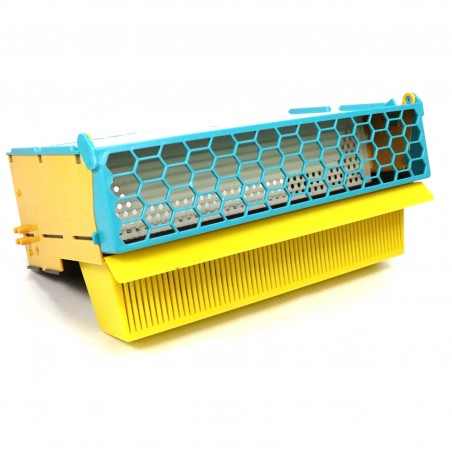
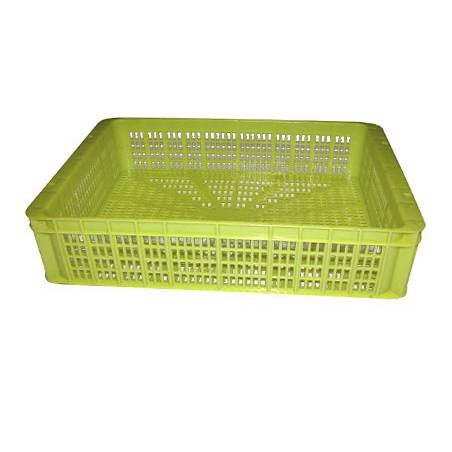
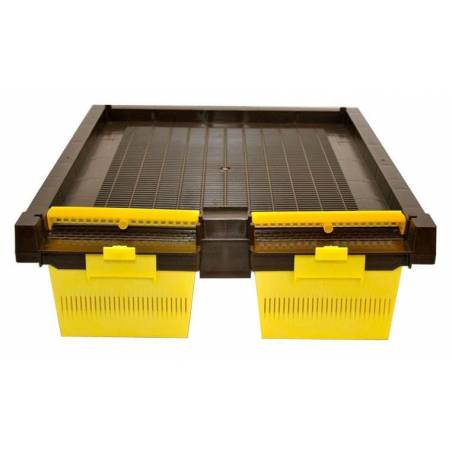
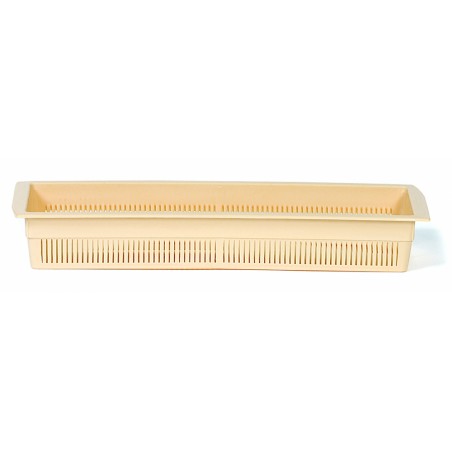
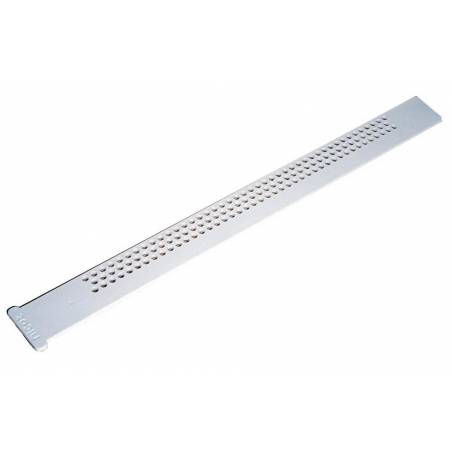
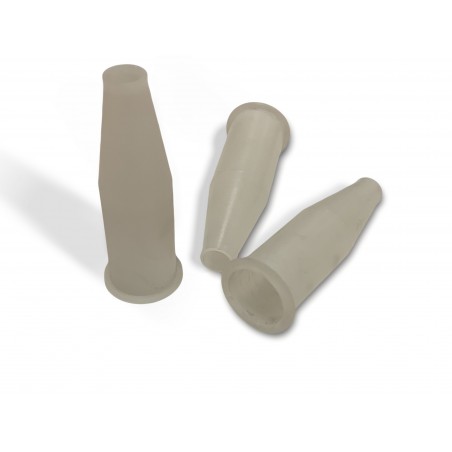
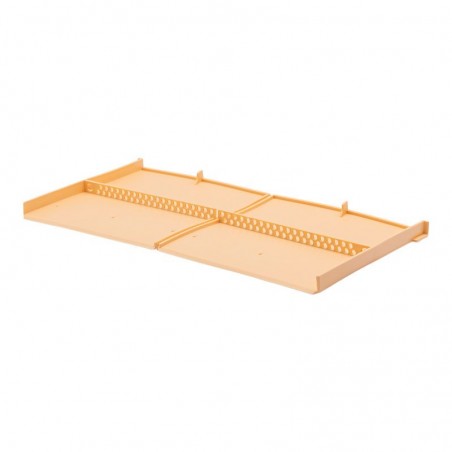
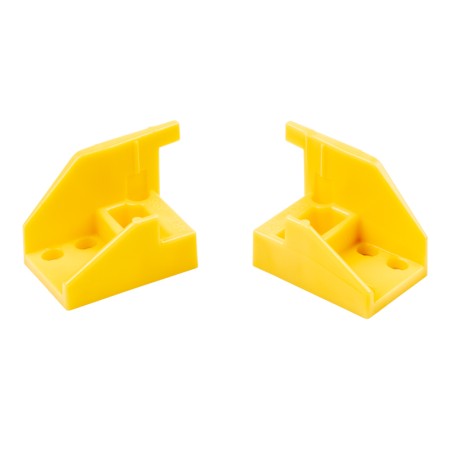
Entrance pollen traps, systems for hive floors, and replacement grids, drawers and drone escapes. Check your hive and floor model, plus the parts needed for a complete installation.

The trap does not decide the harvest; the colony does
A pollen trap on a weak colony does not give you little pollen: it gives you problems. The trap performs when the colony is strong and carrying plenty of open brood, because it is that brood that drives pollen income; with a laying queen and no requeening under way; and with a bloom that backs it up. On a weak or sick colony the trap is one more obstacle at the entrance and does not pay.
And there is a calendar detail worth keeping in mind: between April and May the borage family comes in strongly — viper's bugloss, Echium — and that is precisely the pollen that comes out almost black. If in those weeks the drawer fills with very dark grain, keep it apart instead of mixing it: Echium carries pyrrolizidine alkaloids, with a legal maximum of 500 µg/kg in supplements. Discarding that batch is not throwing product away, it is not compromising the rest.

Pollen traps
The installation determines the pollen trap
An entrance trap fits at the hive entrance; a floor system uses the hive floor. Check width, fixing points and the bees’ route. In the NICOT system, the tunnel and collecting drawer are separate parts: the tunnel alone is not a complete trap. For a Quarti trap on a NICOT floor, check the dedicated adapters.
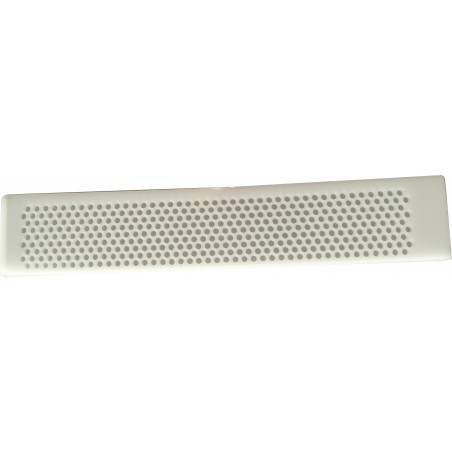
When replacing a grid, hole diameter alone does not establish compatibility: dimensions, runners and model also matter. The FAQ gives reference dimensions for a traditional entrance trap and the details that help keep collected pollen clean.
Plan collection before fitting the trap
Gómez Pajuelo recommends leaving the grid open for 1–2 days so the bees can adjust. Then check that they can move freely and that the drone escapes remain clear. Keep the drawer off the ground, sheltered from rain and well ventilated.
Collect daily. The management notes allow collection every 48 hours in dry areas, compared with 24 hours in humid areas; that exception requires checking conditions in the drawer and the pollen itself. Take it promptly to the freezer or pollen dryer, using clean, ventilated food-grade containers.
Do not harvest pollen during in-hive acaricide treatments: they can contaminate the loads carried by bees. Prepared pollen is available under bee pollen.
What should a good pollen trap have?
Look for a drawer that is easy to remove and clean, ventilation through its base and sides, protection from rain and dew, and clear drone escapes. Keep the drawer off the ground.
For a traditional entrance pollen trap, Gómez Pajuelo documents a stripping grid with holes of about 4.5 mm and a perforated stainless steel plate or grid underneath with 3–3.5 mm openings: the first removes the loads, while the second lets pollen fall through but keeps bees out. These are two parts with different jobs and reference dimensions for that design. When buying a replacement, also check the dimensions and compatibility of the specific model.