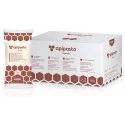
 Apipasta with vitamins 15kg
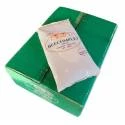 Beecomplet® Spring 14Kg
 Beekeeper suit with round veil
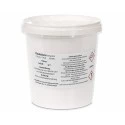 Oxalic acid 1kg
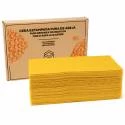 Beeswax Foundation 5kg
 Fresh royal jelly 20g
 Classic honey jar 1kg comb-lines TO77 - Pack of 16 units
 Promotor L Apis 1 litre

 Share in WhatsApp
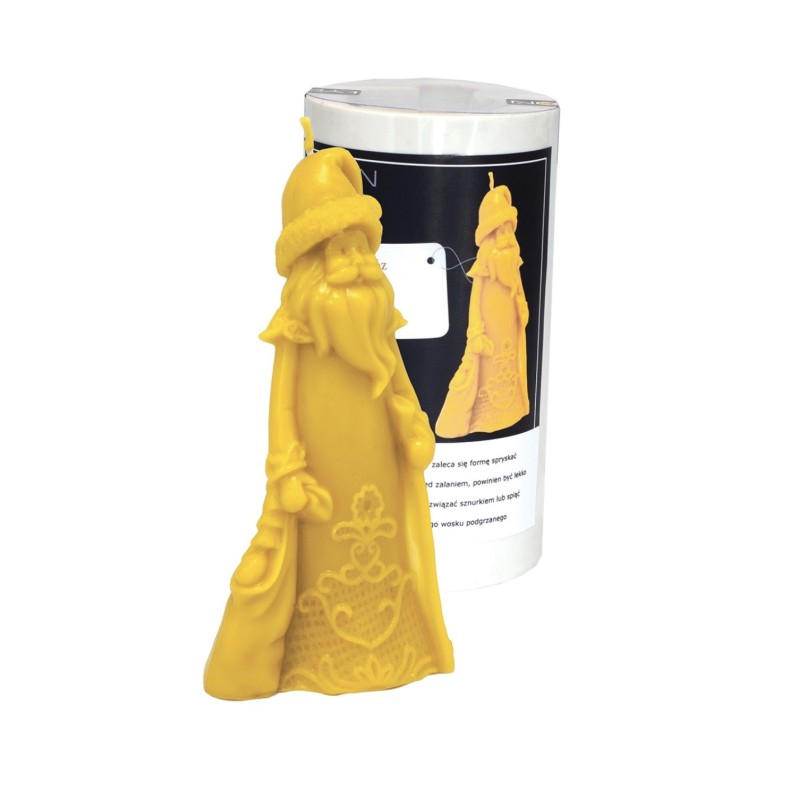
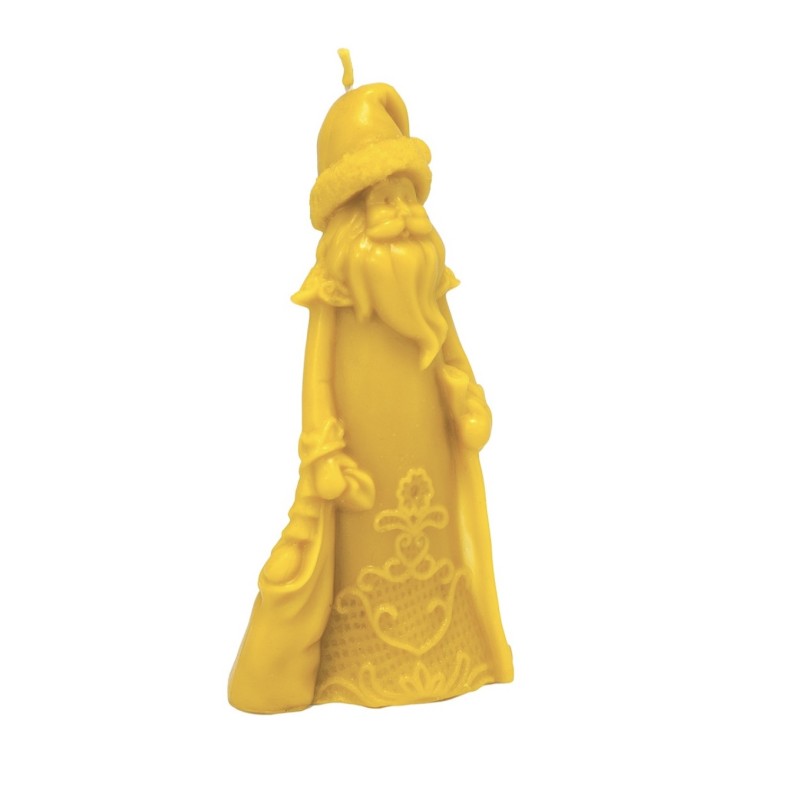
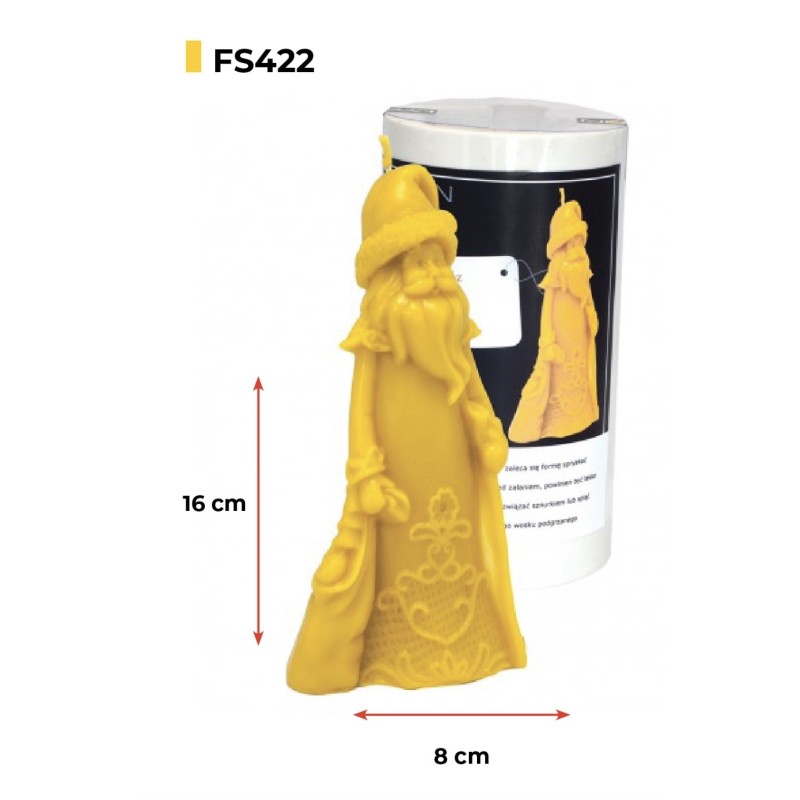
The "Ded Moroz" silicone mould is a fantastic choice for creating handcrafted beeswax candles with a festive, cultural touch. Depicting the traditional Russian figure known as Father Frost—similar to Santa Claus—this mould is perfect for holiday décor or as a unique seasonal gift.
Silicone mould for a beeswax candle of a long-coated, bearded figure in a cap: 16 cm tall and about 160 g of wax.
It is poured at 70-75 °C, not at 65. The supplier's sheet says to pour at 65 °C, the temperature at which wax has just melted. On a 16 cm figure with folds, a cap and a beard, those ten degrees are what separates clean relief from a surface full of cold lines.
01 · POUR AT 70-75 °C, NOT 65
Beeswax melts between 62 and 65 °C and is poured at around 70-75. At 65 it arrives already setting, and the detail is lost exactly where people look: the folds of the coat and the beard.
Above 85 °C the wax darkens, so the window is narrow and worth measuring. The rest of the supplier's procedure is right: clean mould, centred wick, full cooling without moving it and unmoulding without hurry. The mould has a slit: before pouring, close it with rubber bands so the wax does not escape through the join.
02 · SIX FIGURES PER KILO
At 160 g a piece you get a little over six figures per kilo of wax: with our 1 kg block, about €2.38 of wax per candle. With your own cappings wax, the cost is whatever you put on it.
The comparison inside the range says something useful: this mould costs more than the Easter egg one and gives a figure of half the wax. What you pay for here is not size, it is detail — folds, cap and beard are surface the mould has to reproduce and release without dragging.
03 · A 3x11 WICK AND SIXTEEN CM
The supplier recommends a 3x11 flat wick. On a tall candle the wick has to hold the flame from top to bottom: if it is short of section, it opens a narrow well, drowns and leaves the figure unburnt on the outside.
The wick is separate, and our range has flat-braid wick on the roll and centring devices to hold it straight while it cools.
04 · IT PAYS BACK IN WAX, NOT MOULD
The mould is a cost that spreads: a hundred pours put it under €0.75 a figure, and the silicone stands many more. The wax, by contrast, is spent whole on every piece.
So the useful question is not what the mould costs, but how much cappings wax you have sitting idle. That is where this mould gives the money back: turning a by-product of the harvest into a Christmas article with a margin.
05 · BEFORE YOU BUY
Pour at 70-75 °C, and reckon on six figures per kilo.
| ✓ A GOOD FIT | A Christmas article with detail: a 16 cm figure, six per kilo of wax. |
| ⚠ THE WICK IS SEPARATE | The supplier recommends a 3x11 flat wick. It does not come with the mould. |
| ✕ NOT THE MOST WAX PER EURO | It costs more than the Easter egg and gives half the figure: here you pay for detail. |
| Type | Flexible silicone candle mould; with a slit, closed with rubber bands |
|---|---|
| Figure | Christmas figure with long coat, cap and beard |
| Figure height | 16 cm |
| Wax per piece | About 160 g |
| Yield | A little over six figures per kilo of wax |
| Pouring temperature | 70 to 75 °C |
| Wick | Not included; 3x11 flat braid |
| Material | Flexible silicone, reusable; not for food use |
| Reference | FS422 |
Data sheet
Specific References
The "Ded Moroz" silicone mould is a fantastic choice for creating handcrafted beeswax candles with a festive, cultural touch. Depicting the traditional Russian figure known as Father Frost—similar to Santa Claus—this mould is perfect for holiday décor or as a unique seasonal gift.
check_circle
check_circle