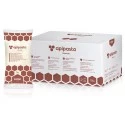
 Apipasta with vitamins 15kg
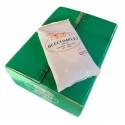 Beecomplet® Spring 14Kg
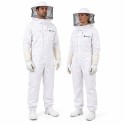 Beekeeper suit with round veil
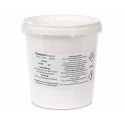 Oxalic acid 99% 1kg
 Beeswax Foundation 5kg
 Fresh royal jelly 20g
 Classic honey jar 1kg comb-lines TO77 - Pack of 16 units
 Promotor L Apis 1 litre



 Share in WhatsApp
510 × 415 mm SHEET SIZE | 0 TIMES YOU OPEN UP TO LOOK |
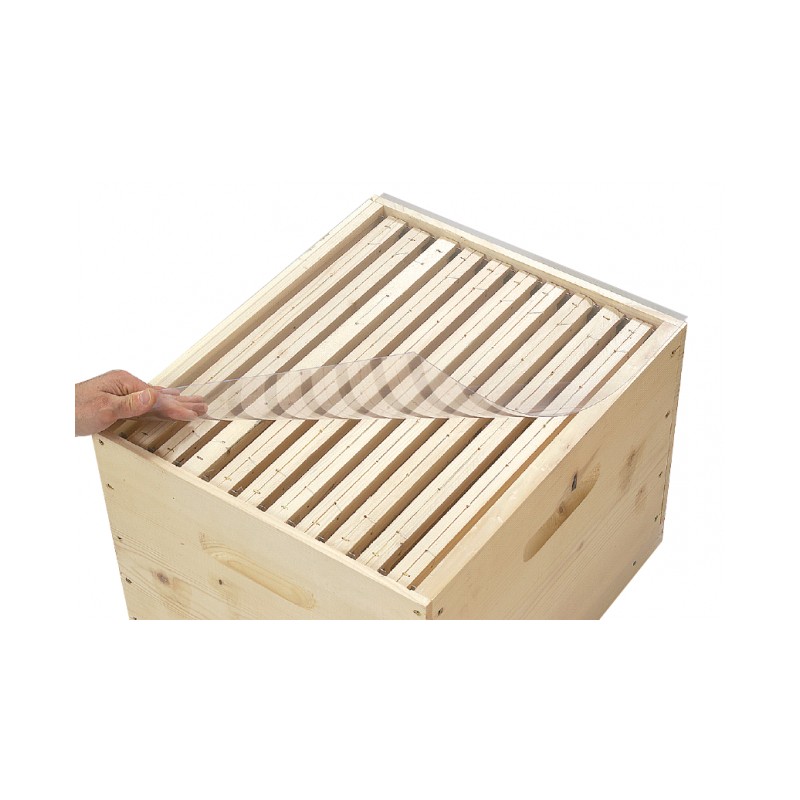
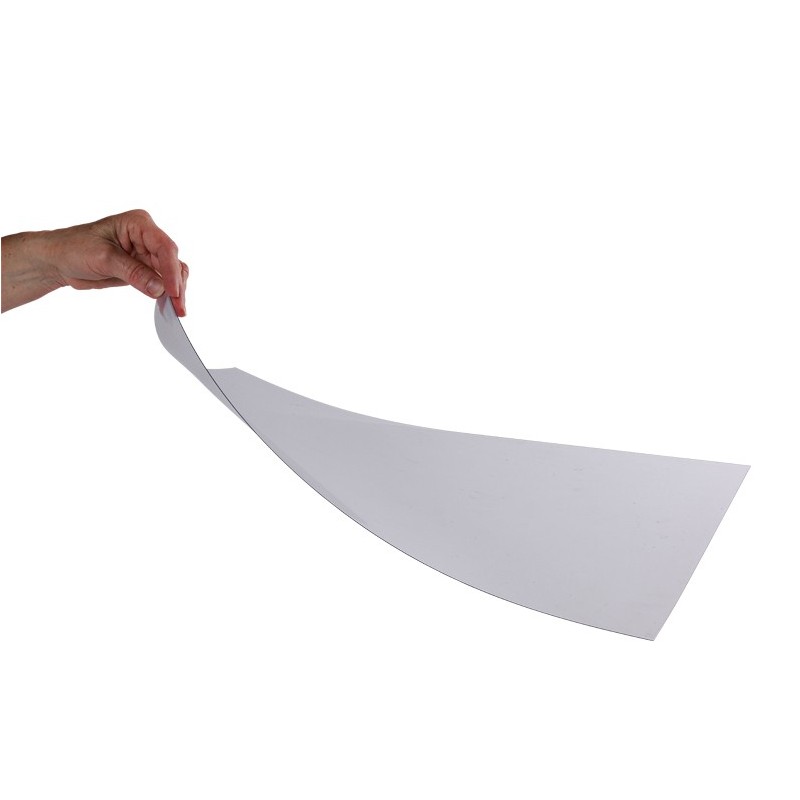
Clear PVC sheet to lay over the frames: it lets you see inside the hive without breaking it down or smoking it.
It falls 10 mm short in width on a standard box. It is meant to be trimmed, and that is worth knowing first.
01 · WHAT IT IS FOR
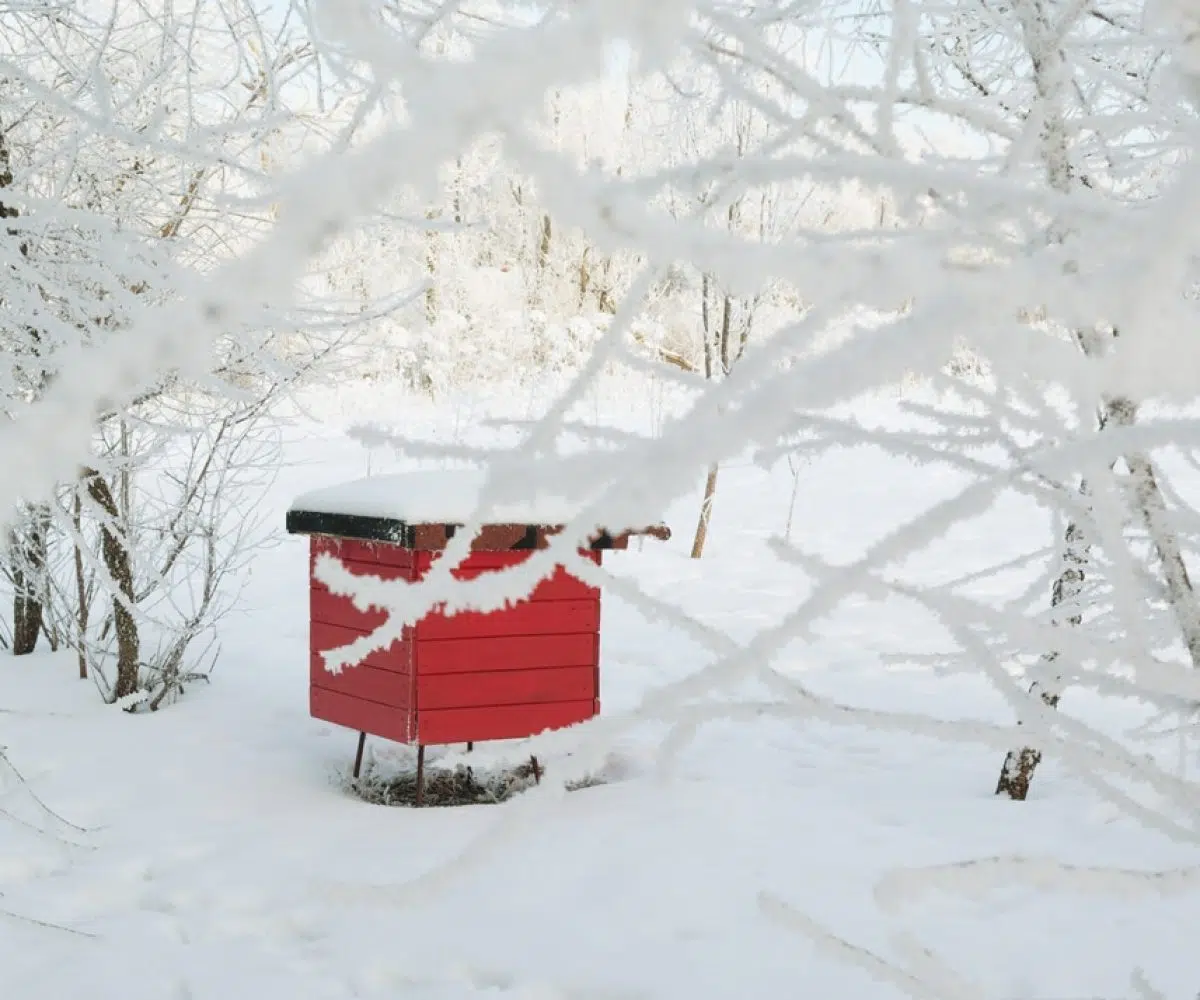
Every opening costs something: the nest loses heat, smoke goes in, the colony is unsettled and takes a while to get back to work. With the sheet over the frames, you lift the outer roof and look: how many seams are covered, whether the feed is going down, whether there is activity, whether they are bearding. Winter is where it earns its keep — you look without uncovering the cluster, which is exactly what you should not do in the cold. It also works as a working cover: with the wooden crown board off, the nest is visible without everything taking off at once.
02 · THE SIZE, SAID PLAINLY
Worth saying clearly, because it is the most repeated complaint. The sheet measures 510 × 415 mm, and the standard Langstroth and Dadant US crown board is 510 × 425 mm: ten millimetres of width are missing. On a standard box it covers the frames but does not reach both side walls, leaving a strip they come up through. It is PVC, so it cuts with scissors in a minute to suit your format — and on polystyrene or home-built hives, which rarely match catalogue sizes, trimming is the normal procedure anyway.
03 · HOW IT BEHAVES
The bees treat it like any quilt: they propolise the perimeter and any hole you leave, so by the second or third inspection it no longer lifts in one pull — ease it off with the hive tool from a corner. The advantage of PVC over cloth is that it takes up no moisture and grows no mould, and over a wooden crown board, that you can see through it. Clean it cold: propolis comes away better from a cold sheet with a blunt scraper than by working it warm, which only scratches the plastic and clouds the view.
04 · BEFORE YOU BUY
It is a sheet, not a crown board: no rim, no vent, no height for a feeder underneath. It does not replace the wooden crown board in winter, where insulation and a moisture exit are needed; it works alongside it. And plan on trimming: the factory size is 510 × 415 mm, so measure your own opening before ordering.
| ✓ FITS | Seeing the nest without opening, in winter and on quick checks. Trim to your format. |
| ✕ IT IS NOT | A crown board: no rim, no vent and no height for a feeder. |
| ⚠ THE SIZE | 510 × 415 mm — 10 mm narrower than the standard crown board. It gets trimmed. |
| LTA reference | 3197 |
|---|---|
| Material | Clear PVC |
| Sheet size | 510 × 415 mm |
| Fitting | Trim with scissors |
| Placement | Directly on the frame top bars |
| Rim / vent | None |
| Weight | 100 g |
Data sheet
Yes, as long as it sits under the wooden inner cover and the roof, never as the only cover. Winter is when it is most useful: you see the cluster without opening the hive.
PVC neither absorbs nor lets through the water vapour the colony produces. If its underside is cold, that vapour condenses on it and can drip onto the cluster; with an insulated cover on top, the sheet stays warmer and the risk drops. The sheet also sits between the cluster and the vent hole of the inner cover: if you winter with top ventilation, cut an opening right under the vent; if you winter with the top closed and well insulated, there is no need.
If you find drops or mould under the sheet during an inspection, the hive lacks insulation or a way out for moisture.
Sorry, no results found.
Write your question