 Apipasta with vitamins 15kg
 Beecomplet® Spring 14Kg
 Beekeeper suit with round veil
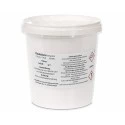 Oxalic acid 1kg
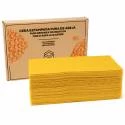 Beeswax Foundation 5kg
 Fresh royal jelly 20g
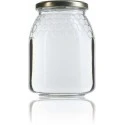 Classic honey jar 1kg comb-lines TO77 - Pack of 16 units
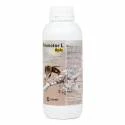 Promotor L Apis 1 litre

 Share in WhatsApp
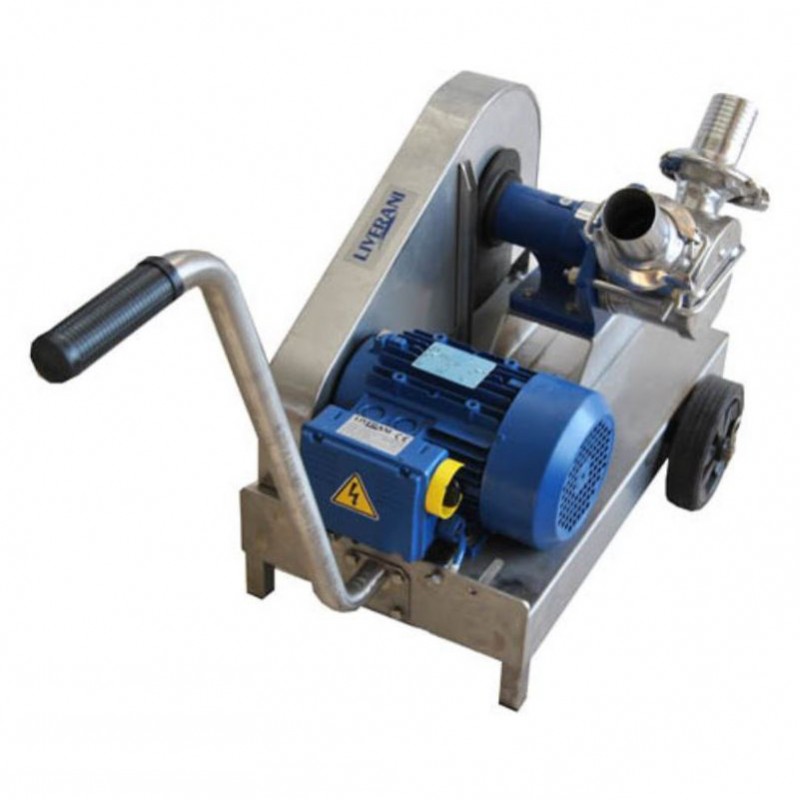
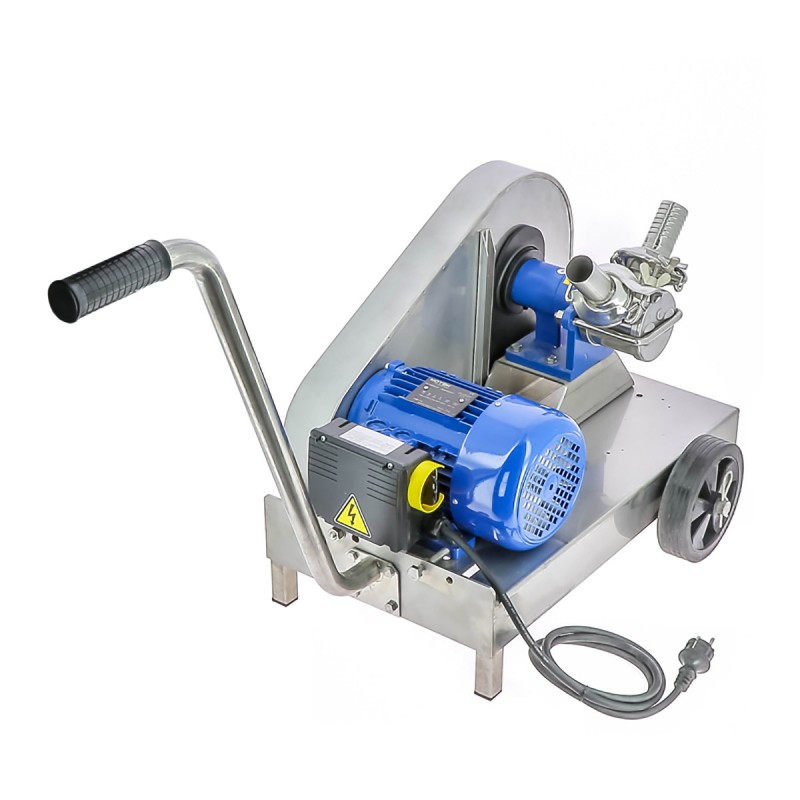
Minor 40 flexible-impeller pump for transferring honey between tanks, with a 1.5 kW motor and trolley mounting.
Its self-priming capability helps when pumping from low containers. Size the installation around the hose route and how readily your honey flows.
01 · PERFORMANCE
The Minor family performance table gives 6,900 l/h at 900 rpm and 0 m discharge head, tested with water at 20 °C. Flow falls as head or viscosity increases. This identifies the equipment’s performance curve, but does not establish its honey throughput or a guaranteed emptying time. For a demanding transfer, specify the litres you need to move per hour, the actual batch temperature, the hose length and the vertical rise. Those details allow the suitability of this configuration to be checked.
02 · INSTALLATION
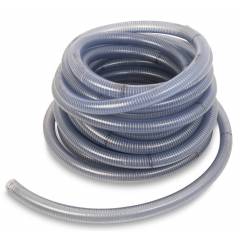
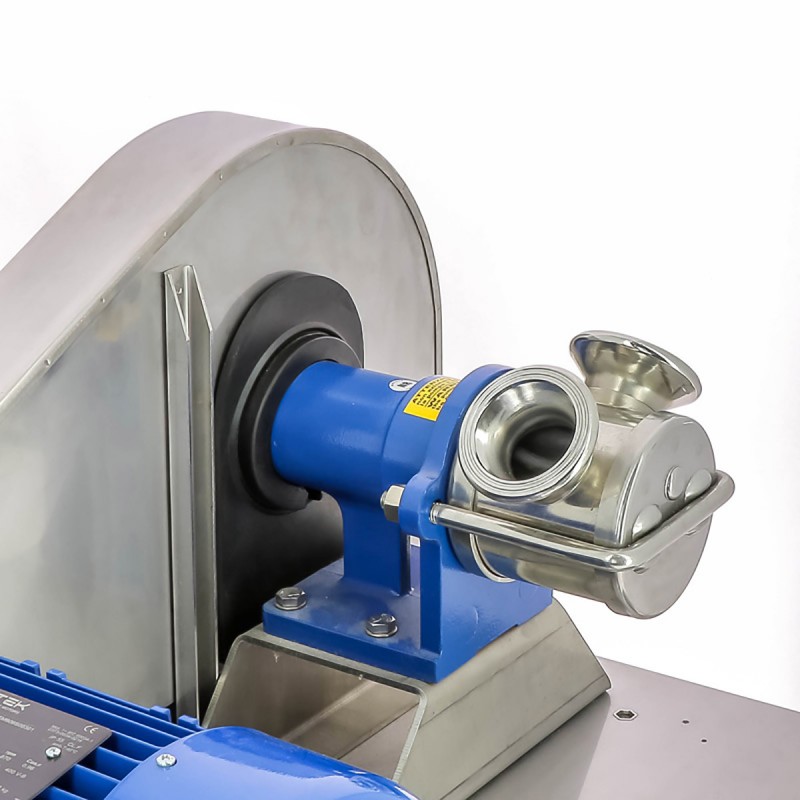
The flexible impeller creates suction as it rotates. Keep the inlet run short, using reinforced hose and airtight joints: an air leak can prevent priming even while the motor runs. This listed configuration uses a Ø40 Garolla connection. Check the tank fitting, seal and hose bore as well; a DN40 marking or an inch size alone does not establish coupling compatibility.
03 · MAINTENANCE
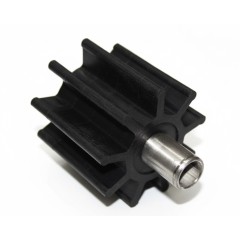
The manual allows the brief period without liquid needed for suction or emptying at the end; this is not permission for continuous dry running. Stop the pump when the product runs out to protect the impeller. Disconnect power before opening the head. Remove honey residues and inspect the impeller, gaskets and seal; select spares by model and version as well as dimensions. If you intend to fill jars directly, also assess the stop control and filling equipment.
| Model | Minor 40 · 55274024 |
|---|---|
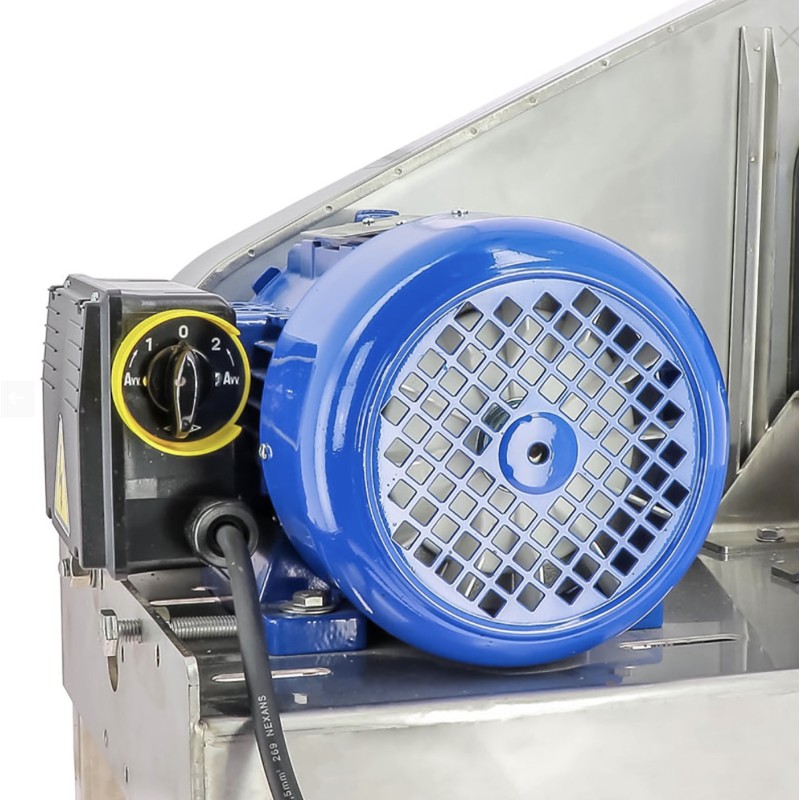
| Motor / supply | 1.5 kW · 220–230 V |
| Speed | 900 rpm |
| Connection on this configuration | Garolla Ø40 |
| Reference flow rate | 6,900 l/h with water at 20 °C, 900 rpm and 0 m head |
Data sheet
Write your question
check_circle
check_circle