
-
Beehives
- Complete beehive
- Accessories
-
Nuc hives
- Nucs by format
- With bees & mating
- Spare parts
-
Bee equipment
- For the apiary
- For the beekeeper
-
Clothing
- Clothing Accessories
-
Beeswax
-
Pure beeswax
- Beeswax and foundation
- Beeswax foundations
- Melting and rolling beewax
-
Pure beeswax
-
Bee feed
- Accessories and source materials
- Utensils
-
Bee health
- Varroa Treatments
- Diseases control
- Nutraceuticals
-
Extraction and bottling
- Before extraction
- Honey extraction
- After extraction
-
Bee pollen
- Harvest
- Indicted
-
Honey packaging
- Flasks per utility
- Flasks by size
- Other packaging
 Apipasta with vitamins 15kg
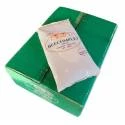 Beecomplet® Spring 14Kg
 Beekeeper suit with round veil
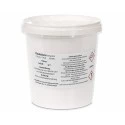 Oxalic acid 1kg
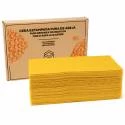 Beeswax Foundation 5kg
 Fresh royal jelly 20g
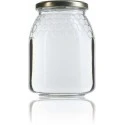 Classic honey jar 1kg comb-lines TO77 - Pack of 16 units
 Promotor L Apis 1 litre
Tangential Extractors
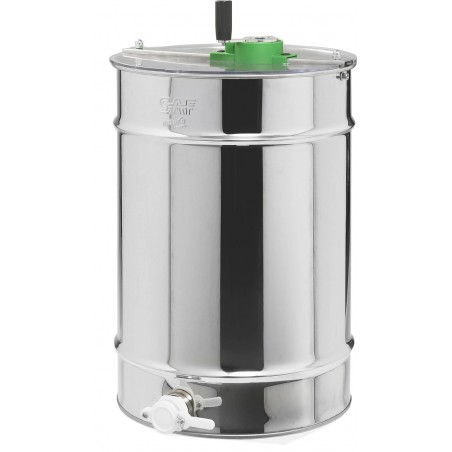
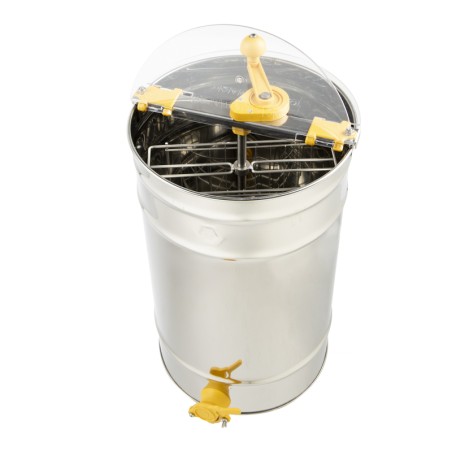
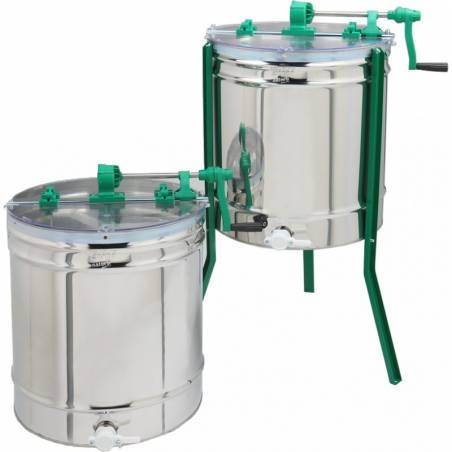
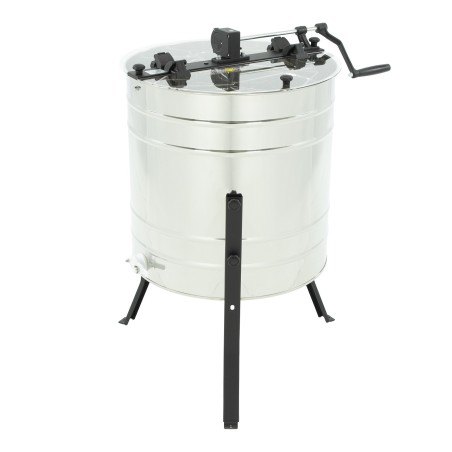
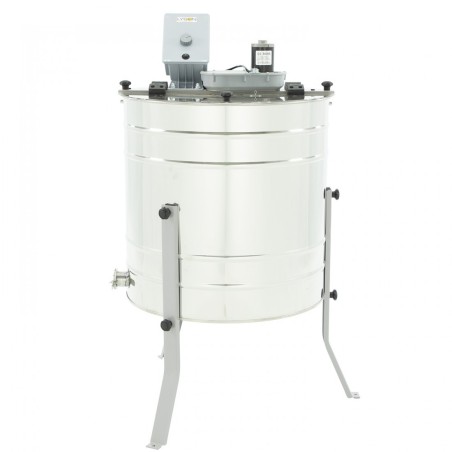
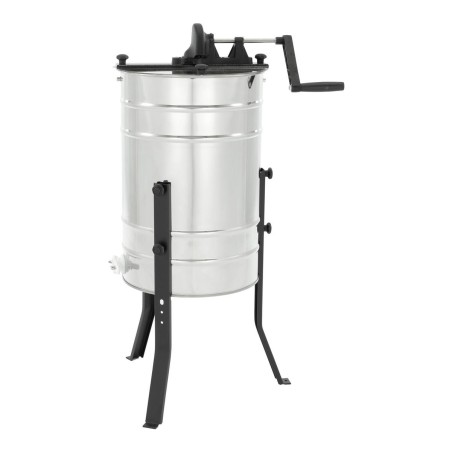
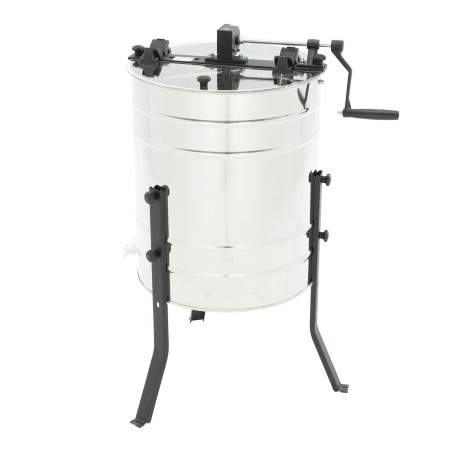
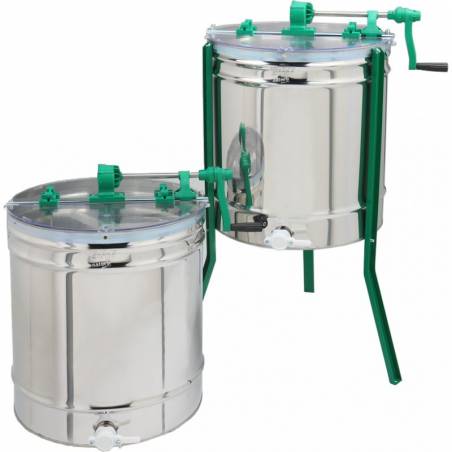
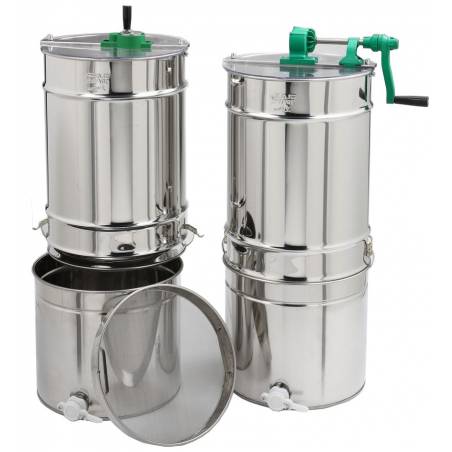
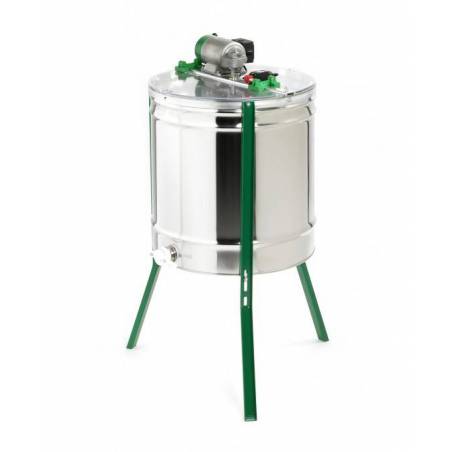
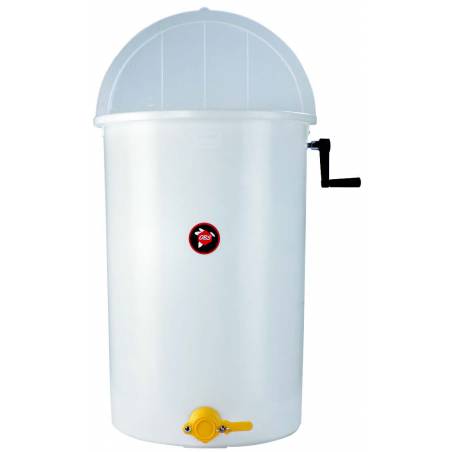
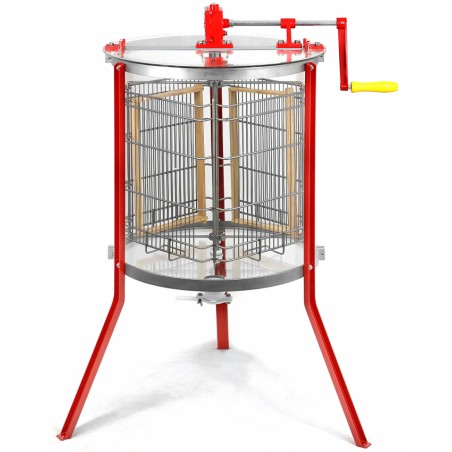
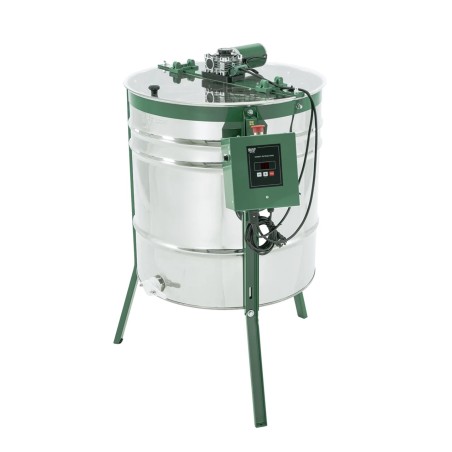
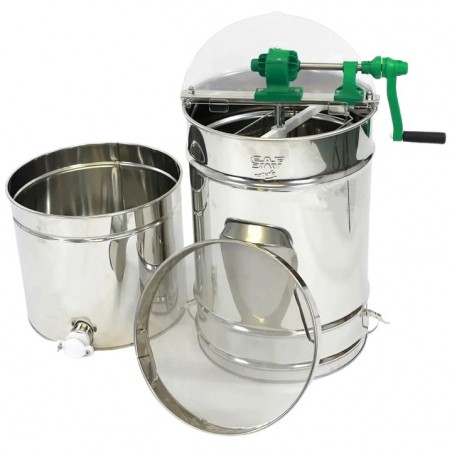
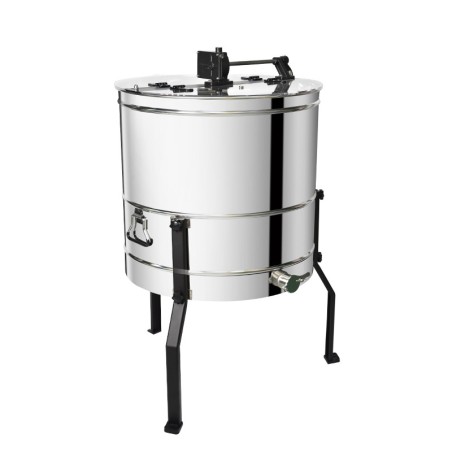
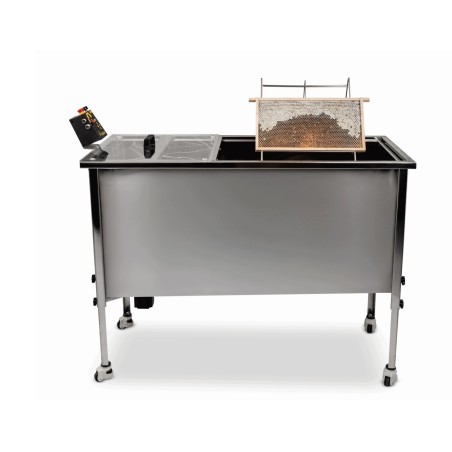
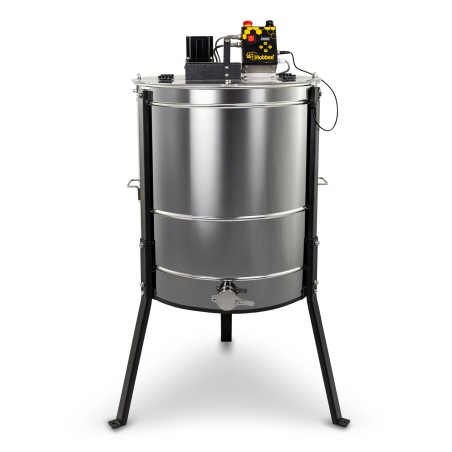
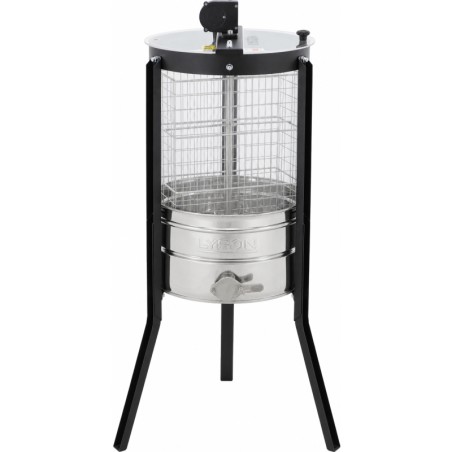
Tangential extractors from 2 to 4 frames, manual and electric: SAXO®, COOPER®, Quarti®, BASIC Ø400. From €119.95 to €1,225.
Type
Functionality
Brand
Price
-
€115.00 - €1,225.00
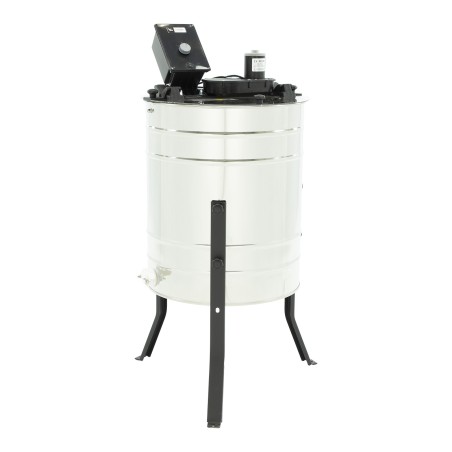
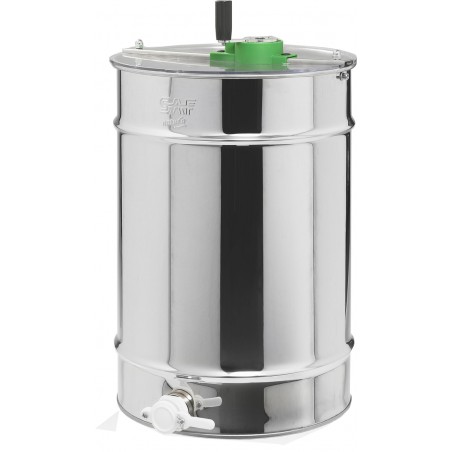
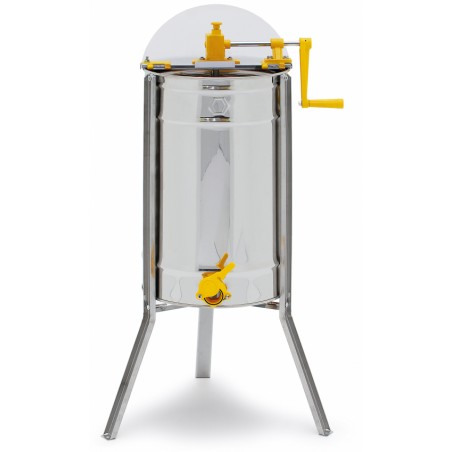
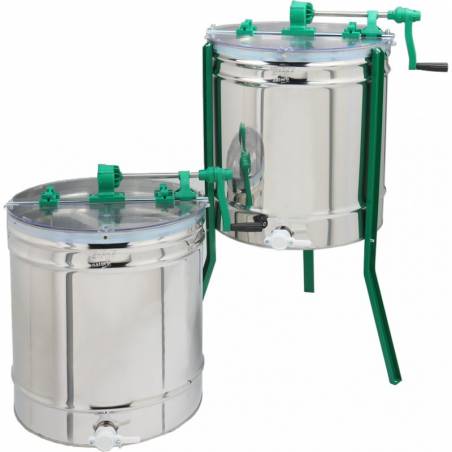

When to choose a tangential extractor
The tangential extractor is one of the safest options when you work with large frames, dense honeys or delicate comb. It isn't usually the fastest system if you have to turn the frames by hand, but it does allow a more direct, controlled extraction. That's why, if you use Layens, Dadant brood frames or honeys that are hard to spin out, I usually think it's a better buy than a radial. In these cases, what matters isn't just getting the honey out fast, but emptying the comb thoroughly without forcing it too much.
My advice is to choose the tangential model according to your real workload. For a few hives, a manual model can be enough if you want something simple, affordable and easy to clean. But if you already have a fair number of hives or run long seasons, I'd go for an electric model or straight to a reversible one. Before buying, I'd check three things: compatibility with your frames, progressive speed control and the sturdiness of the basket. A well-chosen tangential extractor gives you control, treats the comb more gently and avoids many of the typical problems when the honey is cold, dense or the frame comes in very full.


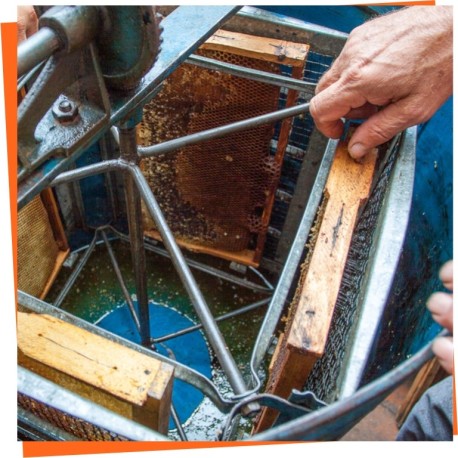
Tangential Extractors
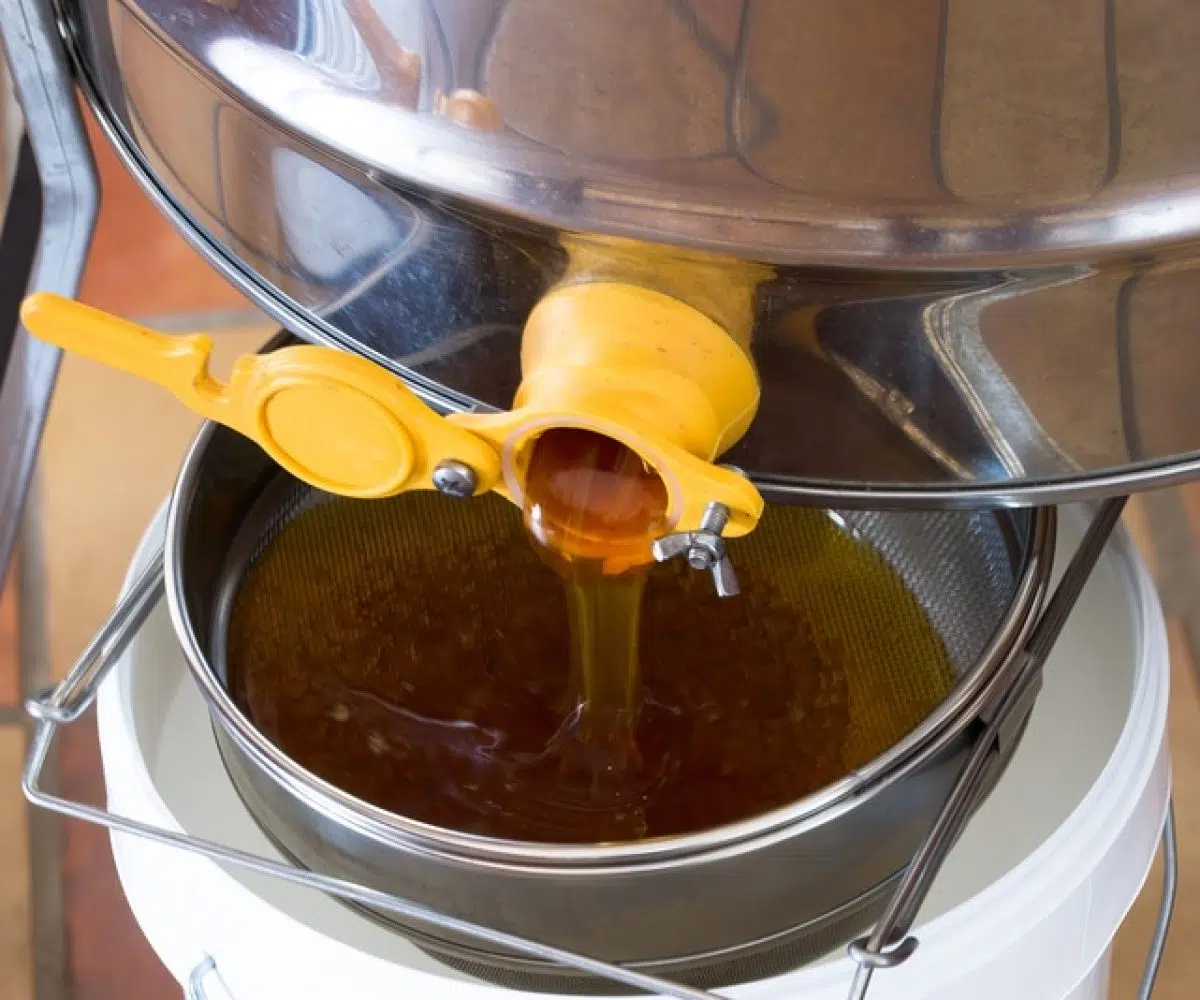
In a tangential extractor the frame sits with one face outwards. Centrifugal force empties that face, and for the other you have to stop and turn the frame round. That gesture defines the whole category.
The advantage of turning
It sounds like a drawback and partly is, but it brings a real benefit: extracting one face at a time means the comb survives better. New, soft wax, which breaks easily in a radial, comes through a tangential intact. That is why the tangential is the right choice for freshly built comb and for the beekeeper who renews wax every year.
When it is the correct choice
With up to twenty or thirty hives, a tangential gives you what you need for a fraction of a radial's price. It starts at €119.95 against the four figures of a forty-frame radial, and at that volume the time difference does not justify the outlay.
Manual or electric
The manual has an underrated advantage: you control the acceleration. You start slowly, speed up once the frame has lightened, and break nothing. That is what makes a manual better than a cheap electric with no variator.
The electric pays once your wrist is the bottleneck. If you buy one, make sure it has a speed variator: without it you return to the same problem with more force.
What to check before the price
That the drum is food-grade stainless, that the tap comes apart for cleaning, and that the frame count matches your format. A "universal" extractor saves grief if you run two sizes.
Radials are in radial extractors; the whole range in honey extractors.
What is a tangential honey extractor and how does it work?
It is an extractor in which the surface of the frame remains approximately parallel to or tangent to the wall of the drum. As the basket rotates, one side of the comb faces outwards and centrifugal force expels the honey from those cells.
With a simple tangential extractor, the frame must be rotated to empty the second side. With a reversible model, the basket or cassettes change orientation without having to remove each frame. This system is well suited to large frames and allows for control of the acceleration, but the capacity must be considered in conjunction with the frame size and the type of basket.
When does a tangential extractor offer advantages?
It is useful for large frames, new or delicate combs and dense honey, as it allows you to start slowly and rest the face of the comb on the basket. It is also suitable for small or medium-sized batches where control over each load is important.
On the other hand, it usually processes fewer frames per cycle than an equivalent radial extractor, and the basic model requires the frames to be turned. Honey that has crystallised within the comb cannot be extracted simply by using a tangential extractor; it may require further handling and should never be assumed to be extractable without first assessing its condition.
Do the frames need to be rotated in all tangential extractors?
In simple tangential extractors, yes: one side is partially extracted, the frame is rotated, and the other side is processed, gradually increasing the speed so as not to break the comb. The exact order depends on the wax, the viscosity and the equipment.
With a reversible tangential extractor, the frames are not removed one by one: the cassettes tilt or change orientation within the basket. ‘Reversible’ does not mean radial. Before purchasing, check whether the rotation is manual, automatic or not available at all, and how many frames of your size it can accommodate in each position.
What is the difference between a tangential and a radial extractor?
In a tangential extractor, one side of the comb faces the drum wall and the two sides are normally processed separately. In a radial extractor, the frames are arranged like spokes and both sides are extracted during the same cycle. A reversible extractor is tangential, with cassettes that change sides.
A tangential extractor is generally well suited to deep frames and viscous honey; a radial extractor offers greater capacity with shallow-super frames and sufficiently runny honey. Base the choice on the exact frame format, number of hives, condition of the wax, viscosity and workflow — not only on the advertised frame count.
How do you maintain and clean a tangential extractor?
Switch off any motors or controls and remove any honey residue using the method specified by the manufacturer. Wash the drum, basket and tap with products suitable for food-contact surfaces, taking care to ensure that no water or detergent comes into contact with the bearings, motor or electrical components. Rinse and dry thoroughly.
Check the welds, basket, shaft, fastenings, lid and legs before each season. Do not lubricate as a matter of routine: only lubricate the specified points using the product recommended by the manufacturer, and always avoid surfaces that come into contact with honey. Any abnormal noise, play or vibration requires the equipment to be stopped and the cause rectified before use.