-
Beehives
- Complete beehive
- Accessories
-
Nuc hives
- Nucs by format
- With bees & mating
- Spare parts
-
Bee equipment
- For the apiary
- For the beekeeper
-
Clothing
- Clothing Accessories
-
Beeswax
-
Pure beeswax
- Beeswax and foundation
- Beeswax foundations
- Melting and rolling beewax
-
Pure beeswax
-
Bee feed
- Accessories and source materials
- Utensils
-
Bee health
- Varroa Treatments
- Diseases control
- Nutraceuticals
-
Extraction and bottling
- Before extraction
- Honey extraction
- After extraction
-
Bee pollen
- Harvest
- Indicted
-
Honey packaging
- Flasks per utility
- Flasks by size
- Other packaging
 Apipasta with vitamins 15kg
 Beecomplet® Spring 14Kg
 Beekeeper suit with round veil
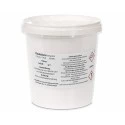 Oxalic acid 1kg
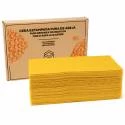 Beeswax Foundation 5kg
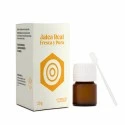 Fresh royal jelly 20g
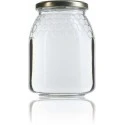 Classic honey jar 1kg comb-lines TO77 - Pack of 16 units
 Promotor L Apis 1 litre
Veils and accesories
Round, square and fencing veils from €8.90, hats with veil, and the accessories that close the gaps: gaiters, sleeves, joint velcro and repair patches.
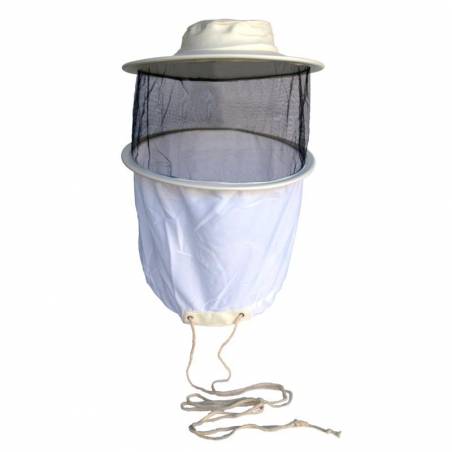
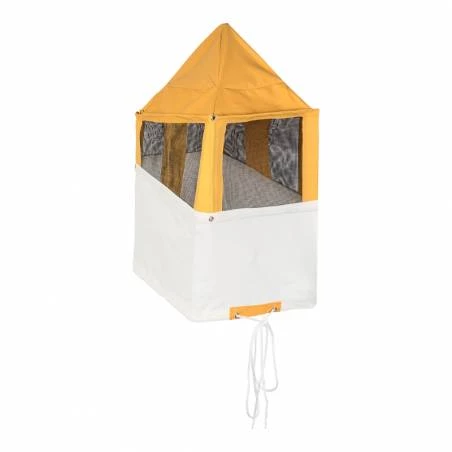
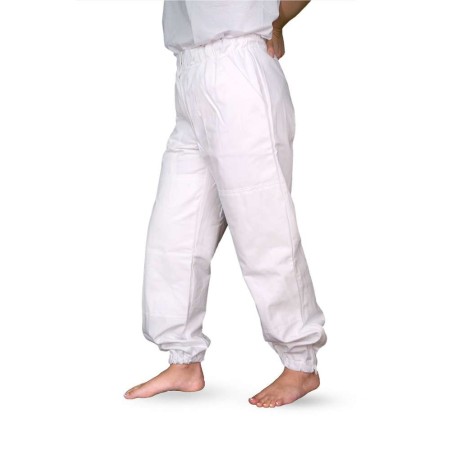
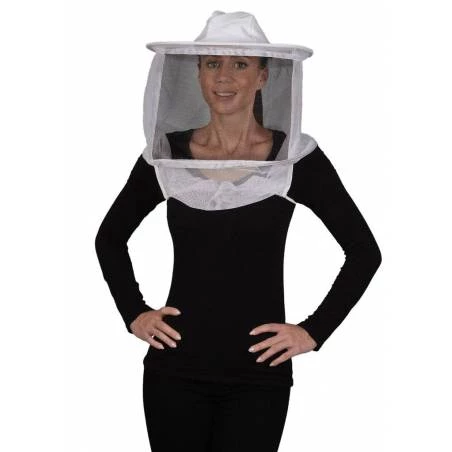
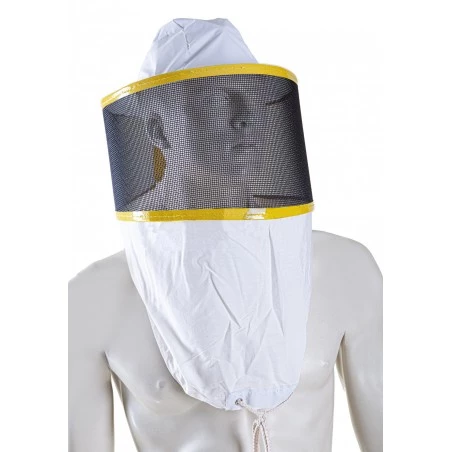
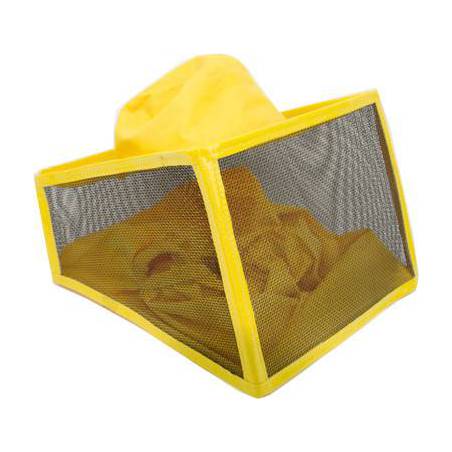
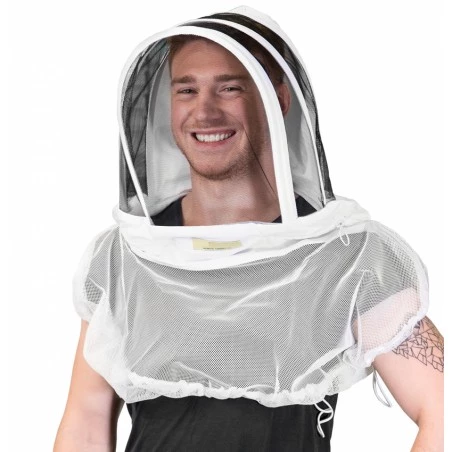
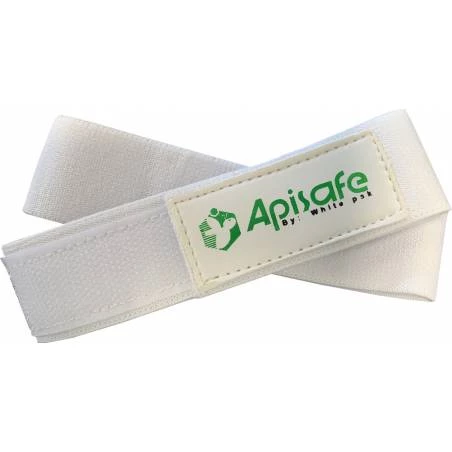
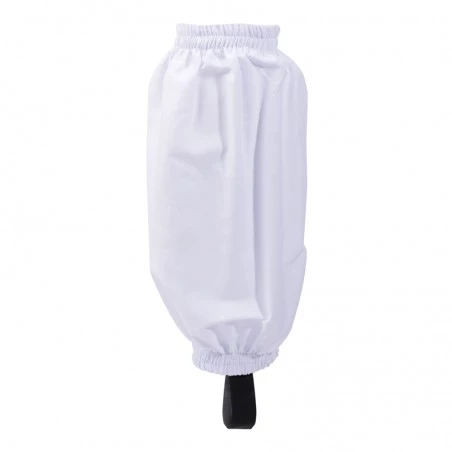
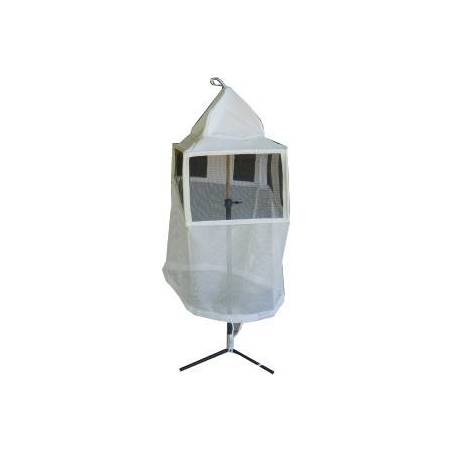
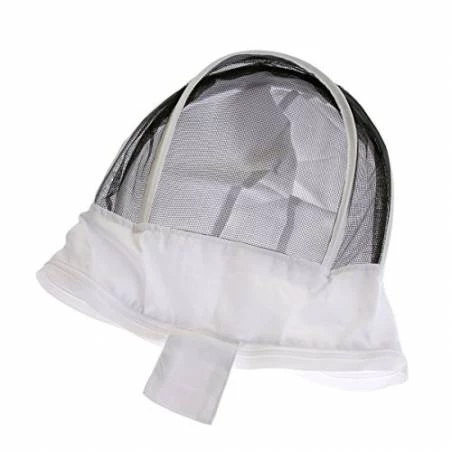
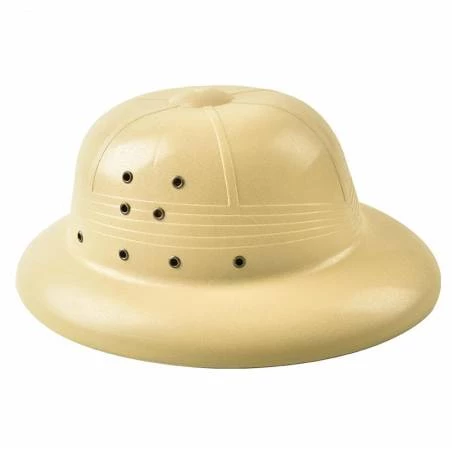
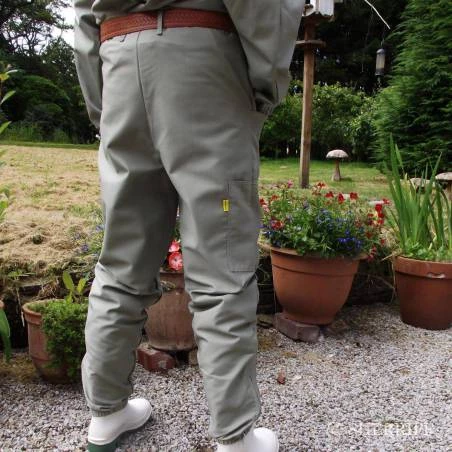
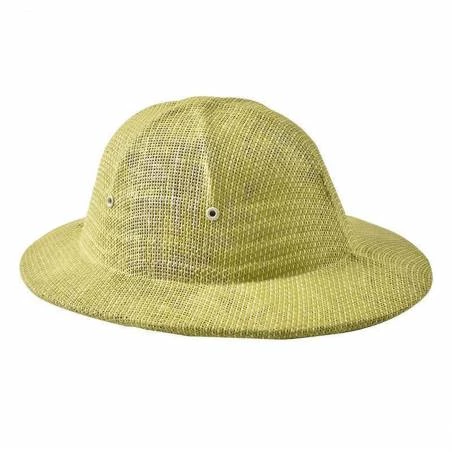
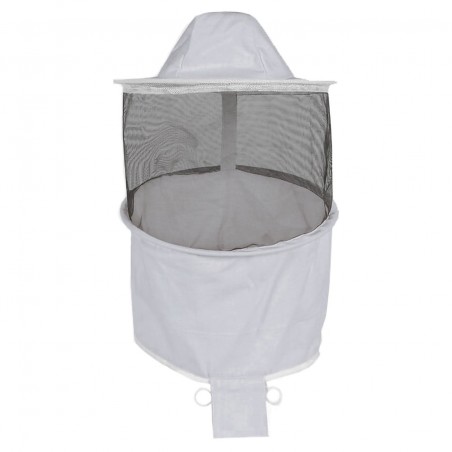
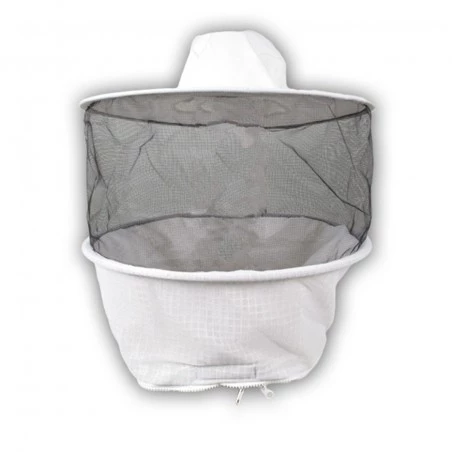
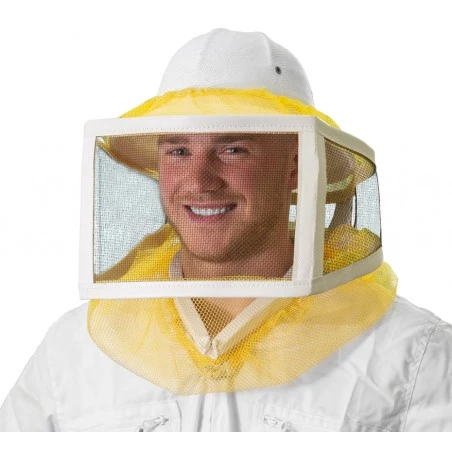
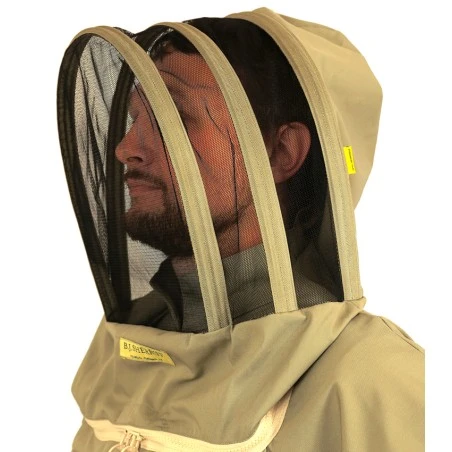
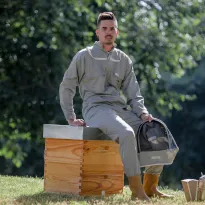
The veil is the one piece where failure is not just any sting
On the rest of the kit, a failure costs you an annoying sting. On the veil it costs you an eye, a lip or the throat, and a sting there is nothing like the same. That is why it is the piece where saving money makes no sense, and the only one I check before every season: the mesh develops holes at the folds, exactly where it creases in storage, and those holes are invisible until you hold it up to the light.
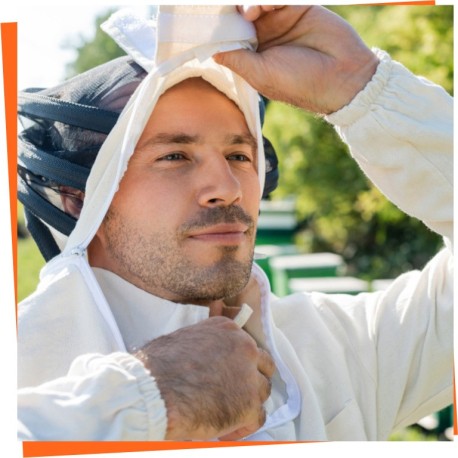
Between round and fencing, the practical difference is how close the mesh comes to your face. The round one holds the hoop away and is the traditional choice; the fencing type gives better peripheral vision and does not collapse when you look down over a frame. Whichever you choose, the rule is the same: where the mesh touches skin, it does not protect. And the point that really fails is not the fabric but the join with the suit or hat: that is where a bee gets in, and once inside no veil helps.
Veils and accesories
This category is really about closing the gaps. A suit protects where there is fabric; the trouble comes in where there is not.
The three types of veil
- Round (€8.95) — the hoop keeps the mesh away from the face all the way round, and gives a full field of view. The least oppressive if you are starting out.
- Square (€8.90) — more compact, less bulk around the head. Gets in the way less when you work among stacked supers.
- Fencing — rigid, does not drop onto the face when you lean over, and it is what almost every ventilated suit carries. The one that stands up best to daily use.
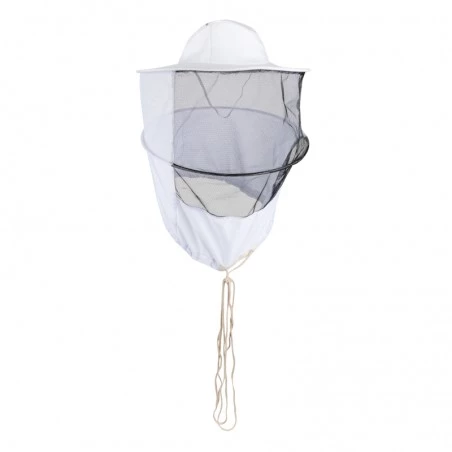
There are also hats with an integrated veil, for anyone who prefers to keep face protection separate from the suit and put it on only when needed.
The cheap things that prevent the trouble
This is what most people do not buy until something stings them:
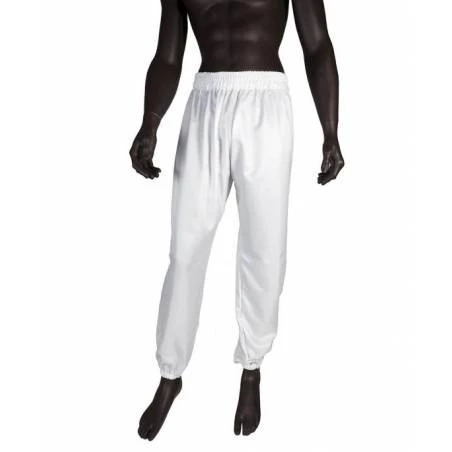
- Boot-to-trouser velcro, €8 — closes the ankle, which is entry point number one when you crouch.
- Gaiters, €6.90 — the alternative to velcro if your trousers do not close well at the bottom.
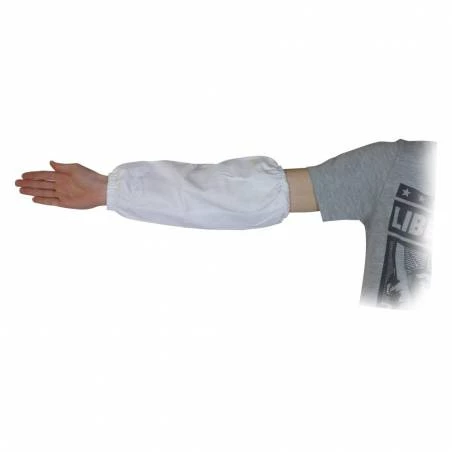
- Cotton sleeves, €8.75 — cover the wrist at the join with the glove.
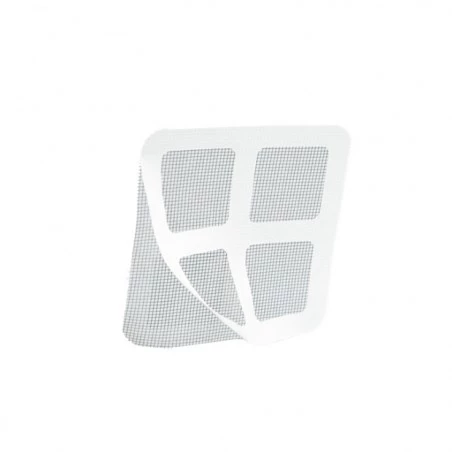
- Repair patch pack, €1.50 — a small tear in the mesh does not mean throwing away a €9 veil, let alone a fencing one.
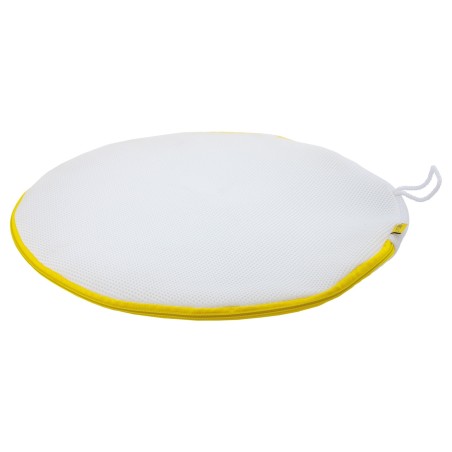
And one that gets appreciated: the wash bag for hooped veils, €9.50. Mesh and hoop do not survive a loose machine wash well.
How to look after the mesh
What ruins a veil is not the sting: it is sweat, dust and storing it squashed. Wash it separately from the suit, dry it in the shade and store it without bending the hoop. A well-treated veil lasts years; one kept in the boot of a car lasts a season.
If what you are after is the whole outfit, it is in beekeeping suits.
How do you clean and maintain a beekeeper’s veil?
Check the label first. If the veil, the headbands or the frame are detachable, remove them before washing the garment. Clean the mesh with cold or lukewarm water and mild soap, without using harsh brushes or bleach unless authorised by the manufacturer.
Leave it to air-dry, without folding the mesh or exposing it to heat. Before each use, check for holes, zips, seams, elasticated parts and the gap between the veil and your face. A clean, taut mesh provides better vision; a small tear or an incomplete fastening means the item should be repaired or replaced.
How should a beekeeper’s veil fasten to the rest of the suit?
Face protection is effective only if it leaves no gaps at the neck, zip or shoulders. The veil must overlap or attach to the collar of the suit or jacket using its intended fastening system, with zip pulls fully closed and covered by the flap where provided.
Check the complete outfit before approaching the hives: move your head, raise your arms and make sure no gap opens. Gloves and footwear should also overlap the clothing correctly. A smoker and hive tools help with handling, but they cannot compensate for a poorly fastened veil.
What components can a beekeeper’s veil include?
It usually combines a viewing mesh, connecting fabric or collar, rings or spacers that keep the mesh away from the face, and a fastening system or zip. On hat-style veils the brim provides the clearance; on fencing-style veils the front structure holds the mesh away from the face.
Materials and components vary by model. Check whether it is a standalone veil, a detachable part or compatible only with a specific garment, and whether spare parts are available. The key requirements are that the mesh remains clear of the skin and every fastening closes without gaps.
What is the difference between a mask, a veil and a beekeeper's helmet?
The veil is the mesh that protects the face and neck. The mask is the assembly that keeps this veil away from the skin and attaches it to the garment; it can be round, square or fencing-shaped. A rigid helmet or hat serves as support, but it does not protect by itself unless it incorporates a veil and fastening.
Safety depends on the distance from the face, visibility and the seal with the suit, not on the rigidity of the structure. When buying, check whether you are receiving the complete assembly or just a support piece and which garment is required to fasten it correctly.
What materials are used in beekeeper veils?
The mesh can be metallic or synthetic; the frame can be made of plastic, textile or metallic rings; and the neck can be cotton or technical fabric. A black mesh usually provides good visual contrast, while the lighter areas of the fabric help reflect heat.
Not all combinations wash the same or withstand the same usage. Check rigidity, weight, ventilation, replacements and compatibility with the garment. The material should keep the mesh away from the face without creating blind spots or edges that rub.
Are beekeeping hats and veils adjustable?
Many include a drawstring, elastic, strap, chin strap or zip, but the adjustment system depends on the model. The fit should prevent the assembly from twisting or lifting in the wind without compressing the head or bringing the mesh close to the skin.
Check the permitted circumference and test head and arm movement. If the veil attaches to a suit, the compatibility of the zip and collar is as important as the hat size; not all detachable parts are interchangeable.
What type of beekeeper mask should you choose?
The round mask offers a wide peripheral view and is usually lightweight; the square mask maintains space around the face and can be folded depending on the design; the fencing mask provides good frontal vision and integrates well with many suits. No shape is superior in all cases.
Choose based on the actual distance from the mesh to the nose and ears, the field of vision when looking down, ventilation, ease of washing, and compatibility with your suit. If you wear glasses or have a large head, check that the veil does not press against them when you move.
What are the advantages and limitations of detachable beekeeper’s veils?
They allow the veil to be washed or replaced without changing the entire garment, and make it easier to use different styles when the manufacturer provides them. They also make the suit easier to store and a damaged mesh easier to repair.
The zip, its length and its closing direction must match the garment exactly. A veil that appears to fit may leave a gap at the neck or prevent the flap from closing. Confirm the compatible reference and regularly check the teeth, sliders and hook-and-loop fasteners.
Are beekeeper masks and hats unisex?
They are usually chosen according to head circumference and compatibility with the garment, not gender. Some are one-size adjustable and others have specific sizes.
In addition to circumference, check the height, space for hair or glasses, and the distance of the mesh from the face. A model that is too large can turn; a small one can rest the veil on the skin and make stings easier.
Does the veil of a mask reduce visibility?
Any mesh introduces a pattern, but a fine, clean, well-stretched black mesh usually provides good contrast for work. Vision worsens if it is wrinkled, dirty, too close to the eyes or receives side reflections.
Before purchasing, assess frontal, lateral and downward vision. During use, clean propolis and dust without deforming the mesh and replace damaged parts. The mask should allow inspection of the brood and handling of frames with precision, but no design alone guarantees seeing eggs or locating the queen.