
-
Beehives
- Complete beehive
- Accessories
-
Nuc hives
- Nucs by format
- With bees & mating
- Spare parts
-
Bee equipment
- For the apiary
- For the beekeeper
-
Clothing
- Clothing Accessories
-
Beeswax
-
Pure beeswax
- Beeswax and foundation
- Beeswax foundations
- Melting and rolling beewax
-
Pure beeswax
-
Bee feed
- Accessories and source materials
- Utensils
-
Bee health
- Varroa Treatments
- Diseases control
- Nutraceuticals
-
Extraction and bottling
- Before extraction
- Honey extraction
- After extraction
-
Bee pollen
- Harvest
- Indicted
-
Honey packaging
- Flasks per utility
- Flasks by size
- Other packaging
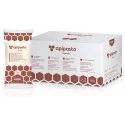 Apipasta with vitamins 15kg
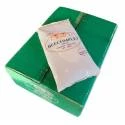 Beecomplet® Spring 14Kg
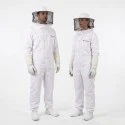 Beekeeper suit with round veil
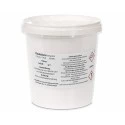 Oxalic acid 1kg
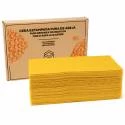 Beeswax Foundation 5kg
 Fresh royal jelly 20g
 Classic honey jar 1kg comb-lines TO77 - Pack of 16 units
 Promotor L Apis 1 litre
Plastic beehives and frames
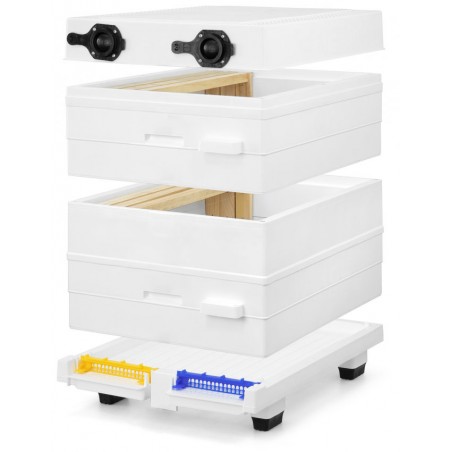
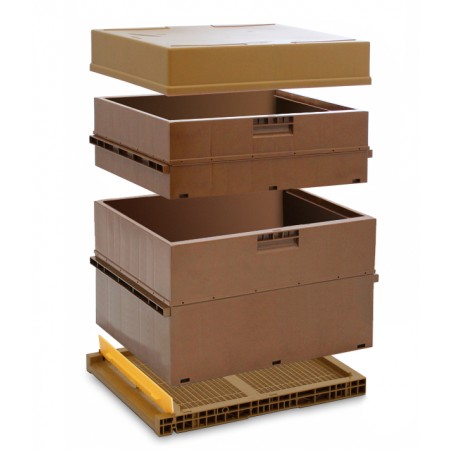
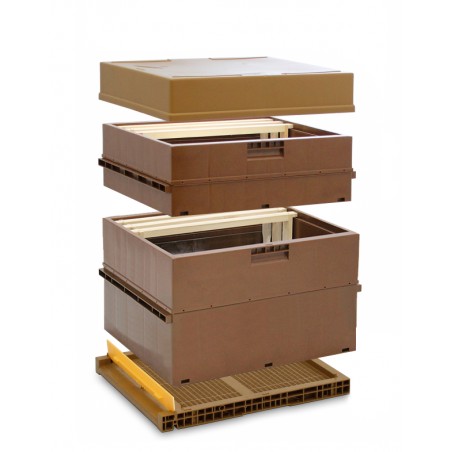
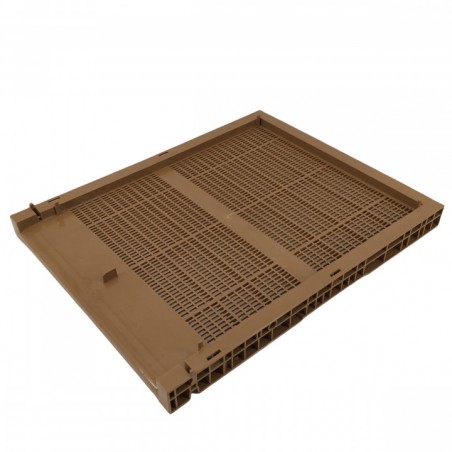
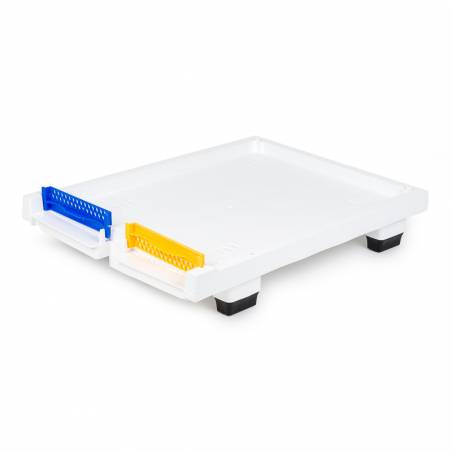
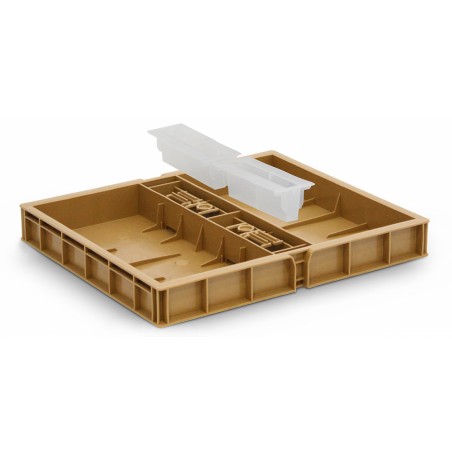
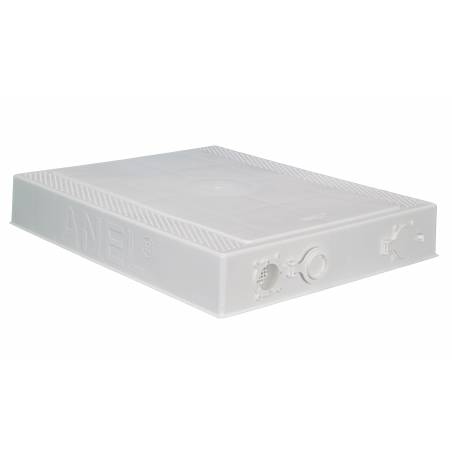
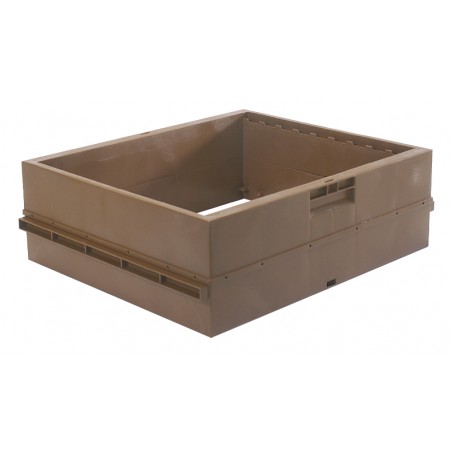
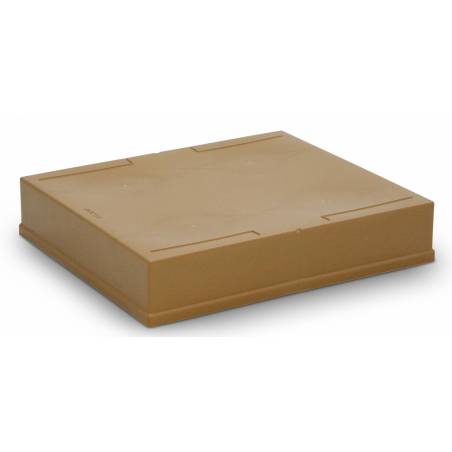
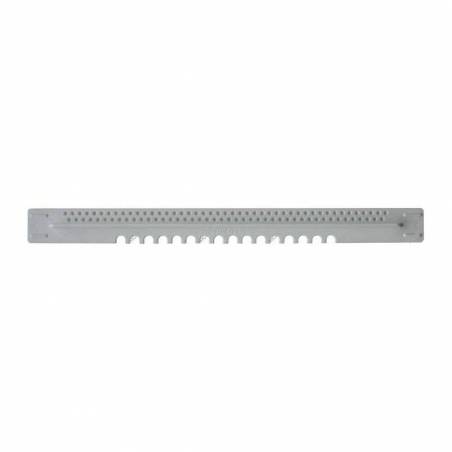
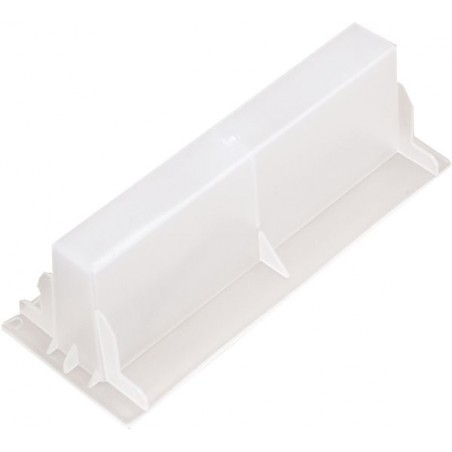
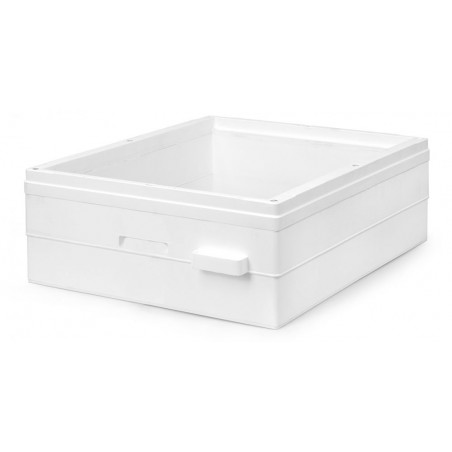
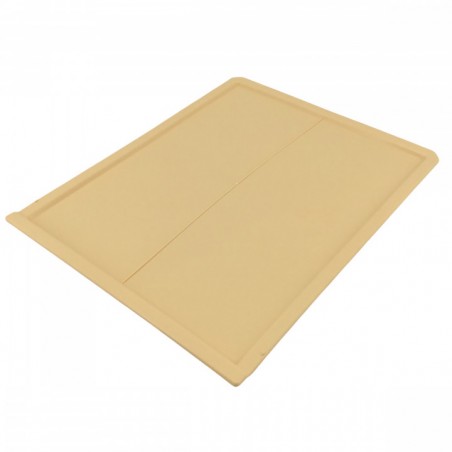
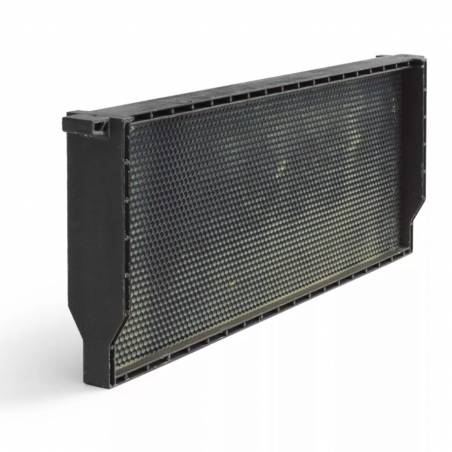
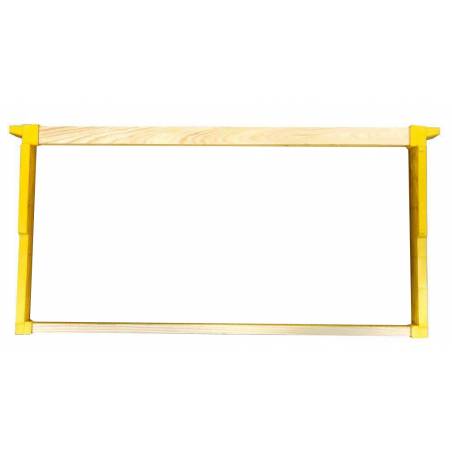
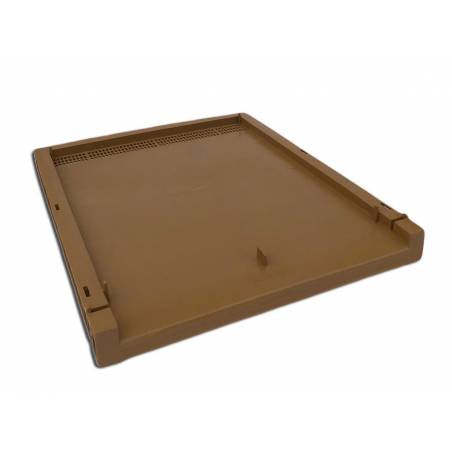
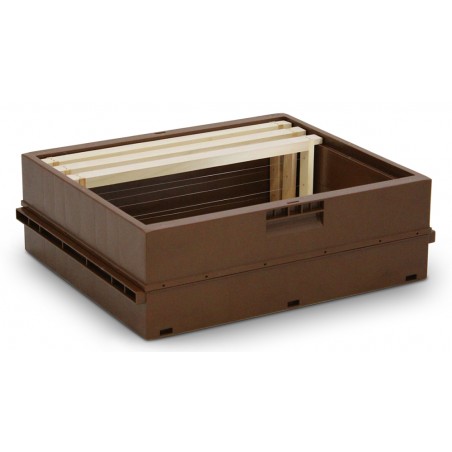
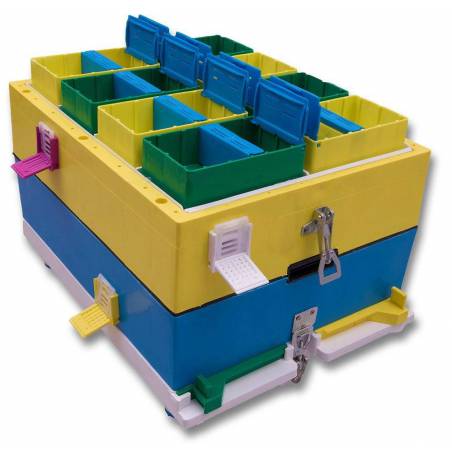
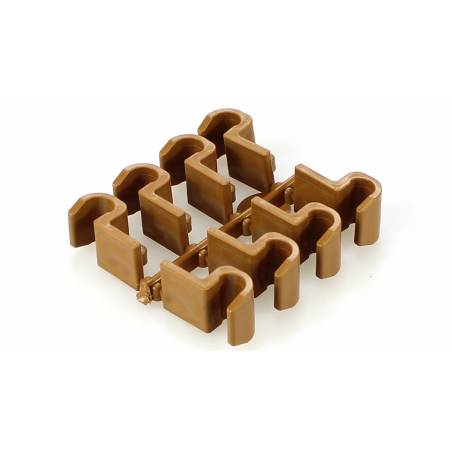
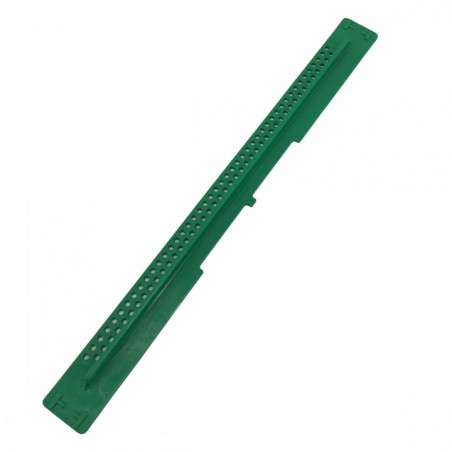
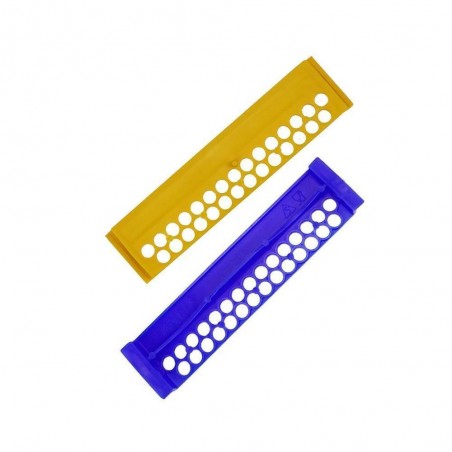
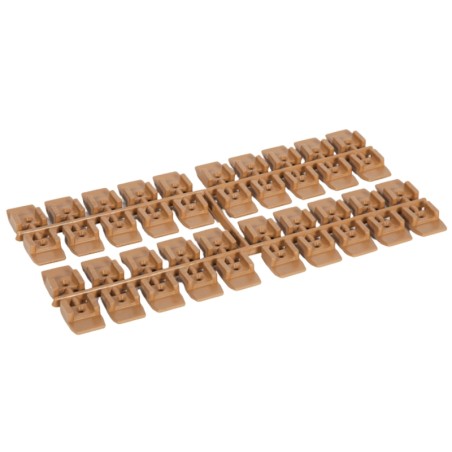
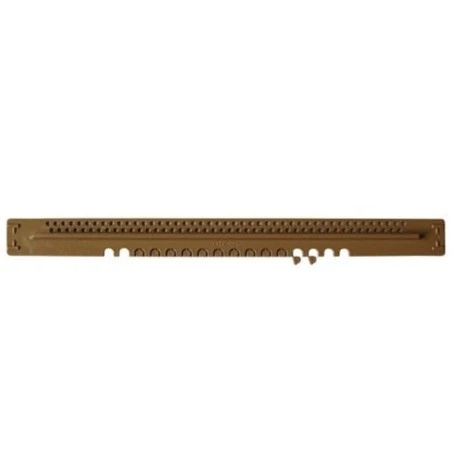
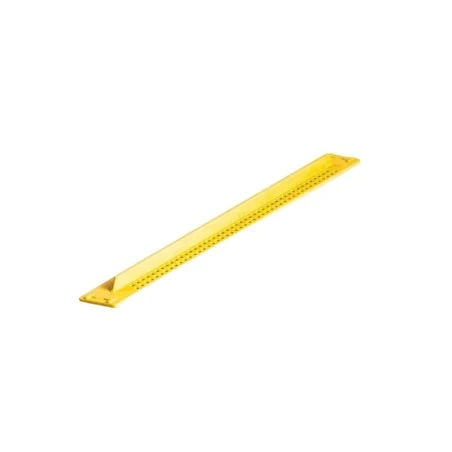
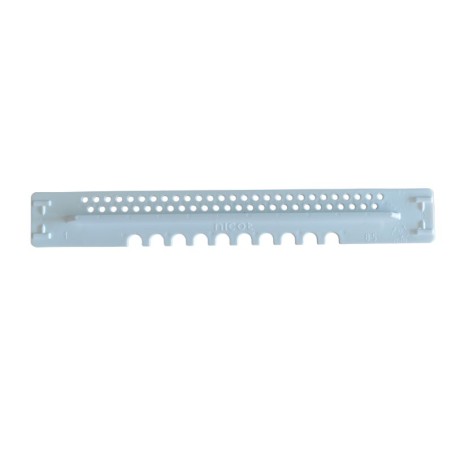
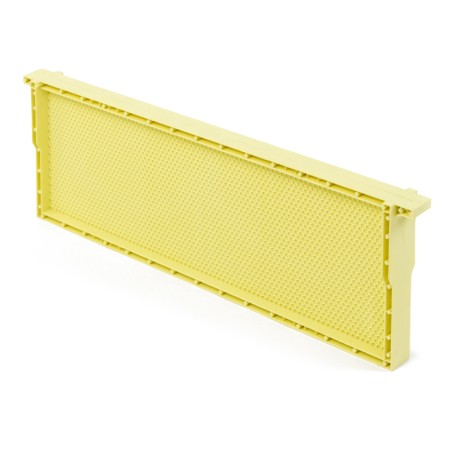
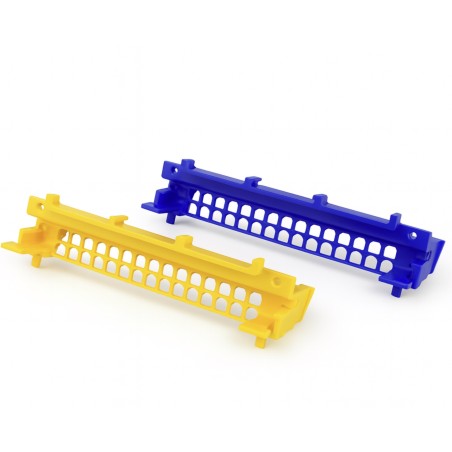
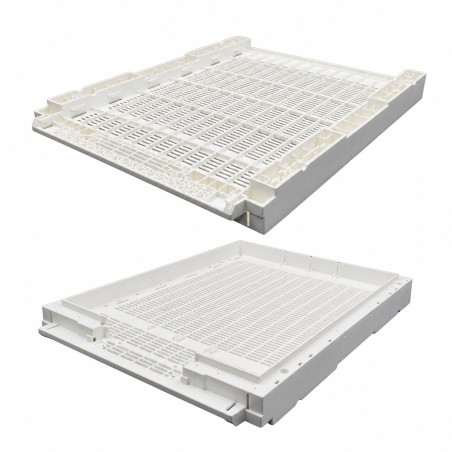
Plastic hives, floors, frames and parts: ANEL® LockFit floors, drawn frames, entrances and NICOT® spares. From €0.59 to €199.


My recommendation on plastic hives and frames
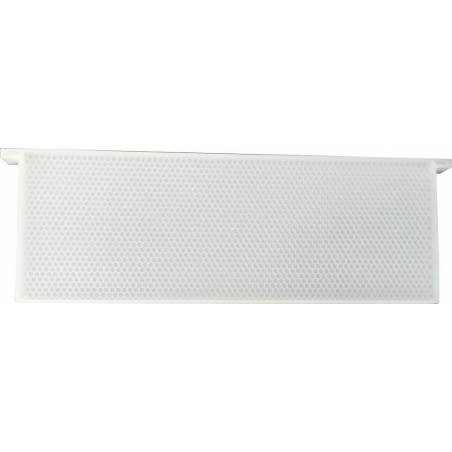
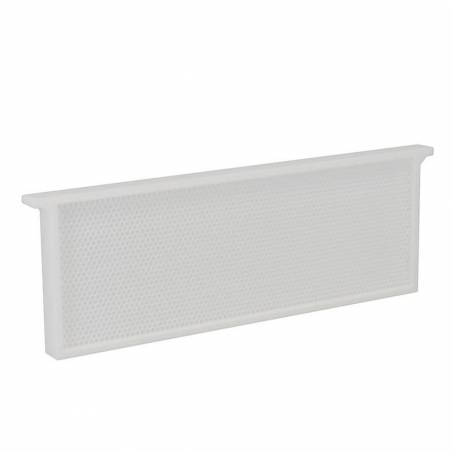
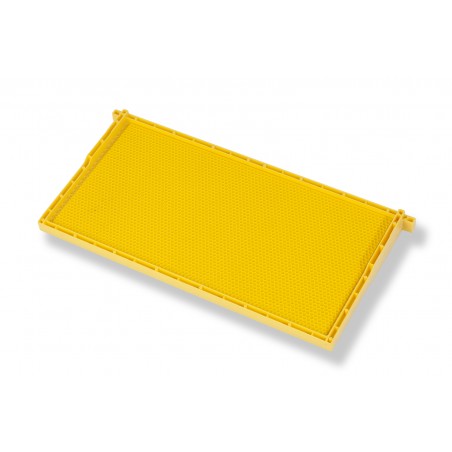
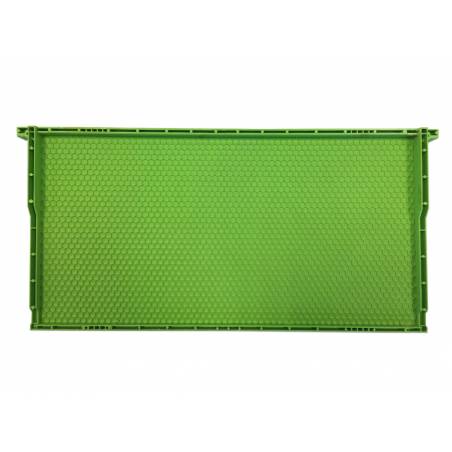
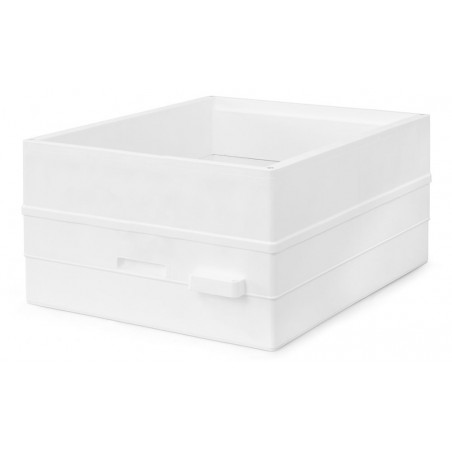
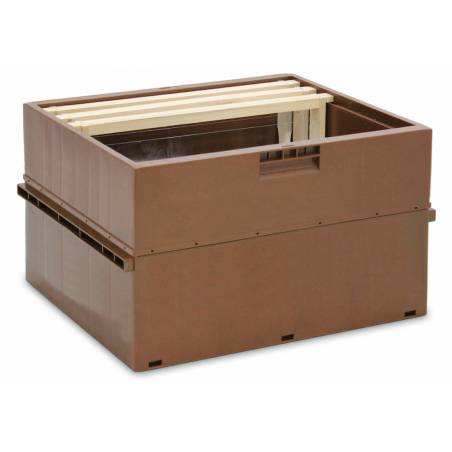
Plastic hives and frames make a lot of sense when you want durable, easy-to-clean material that's very uniform from hive to hive. Compared to wood, plastic doesn't warp the same way with moisture, doesn't need exterior paint and lets you work with very standardized parts: floors, covers, feeders, entrances, bodies, supers and frames that always fit the same. For operations that move a lot of equipment, wash often or want to reduce maintenance, it can be a very practical option. That said, I wouldn't choose it just for convenience: you have to look carefully at the hive format, ventilation, sun exposure and exact compatibility with your frames and accessories.
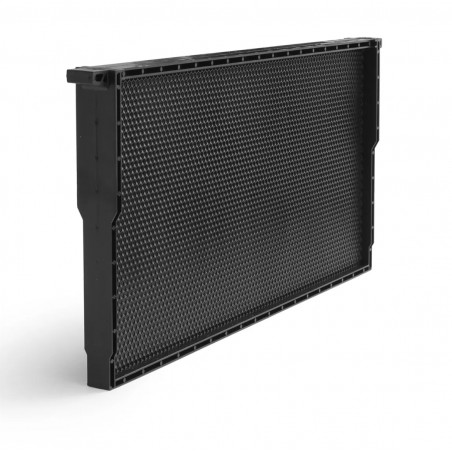
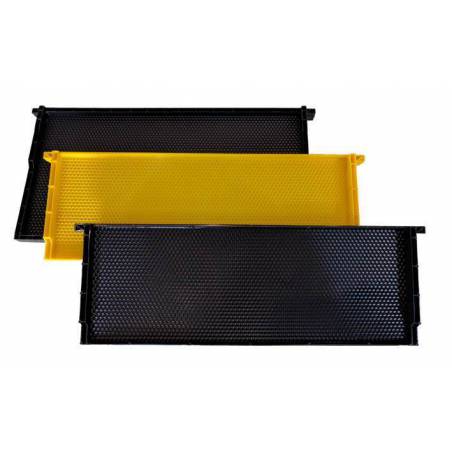
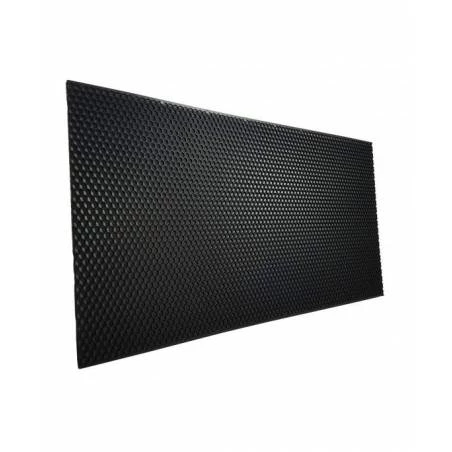
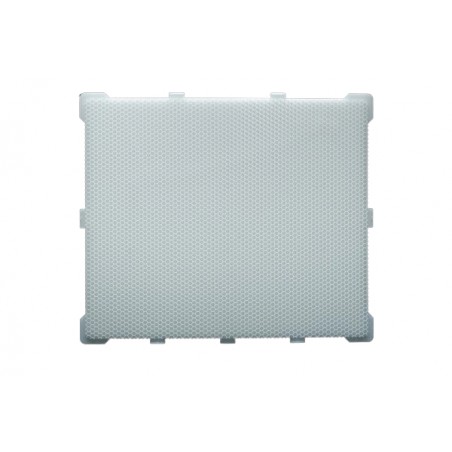
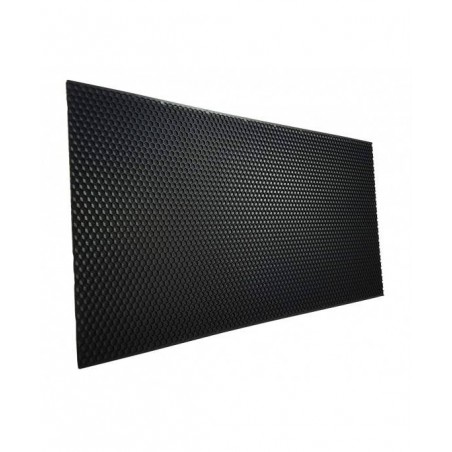
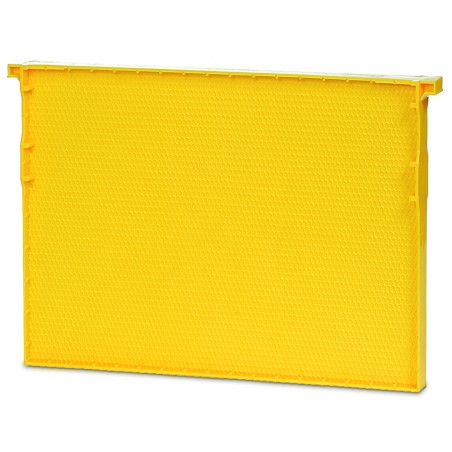
My advice is to distinguish between a plastic hive and a plastic frame or foundation. The complete hive brings durability and cleanliness, but it's worth watching condensation, ventilation and stability, especially in hot or very humid areas. Plastic frames and foundation can save assembly time and give a lot of consistency, but the bees usually accept them better if they're well coated or covered with wax and if they're introduced when the colony has strength, temperature and a nectar flow or adequate feeding. If you've never worked with plastic, I'd start by trying it in supers or shallow supers before putting it fully in the brood chamber: in the honey area, poor acceptance delays filling; in the brood, it can affect development, laying and the order of the nest more.
And here I'll take a clear stand: plastic works very well when used with method, but it's not “set it and forget it”. I wouldn't put new plastic frames in a weak colony expecting them to draw them out under duress. Before buying, I'd look at compatibility, the quality of the plastic, the amount of wax applied, ventilation, ease of cleaning, UV resistance, the fit between parts and acceptance by the bees. In supers it can be a very practical way to gain durability and uniformity; in the brood chamber, I'd use it more carefully, introducing it gradually and observing carefully how the colony responds.
Plastic beehives and frames
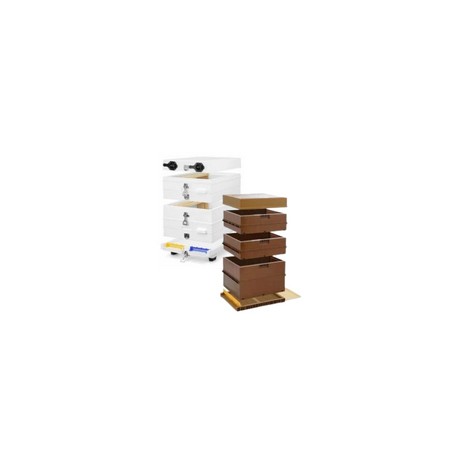
Plastic solves specific things and does not solve others. It is worth knowing which before replacing half a hive.
Where it clearly wins
- Hygiene. It washes under pressure, disinfects and neither absorbs damp nor holds organic residues. In queen rearing and in equipment that rotates between colonies, that counts for a lot.
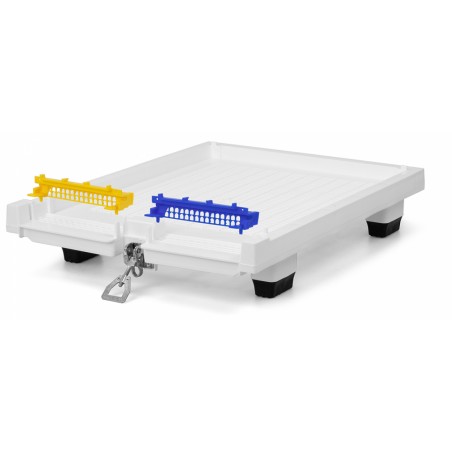
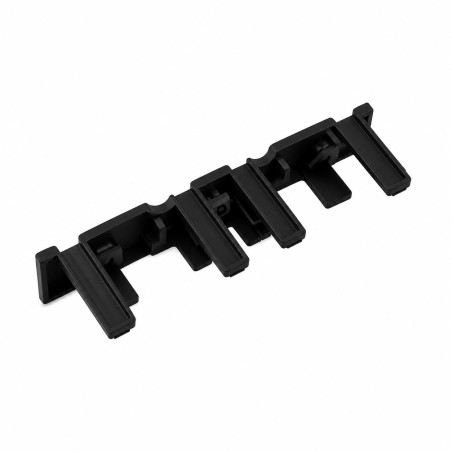
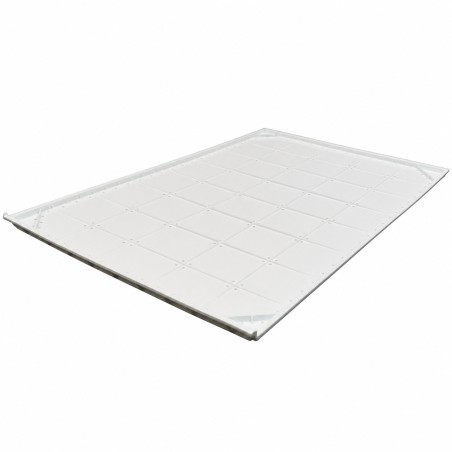
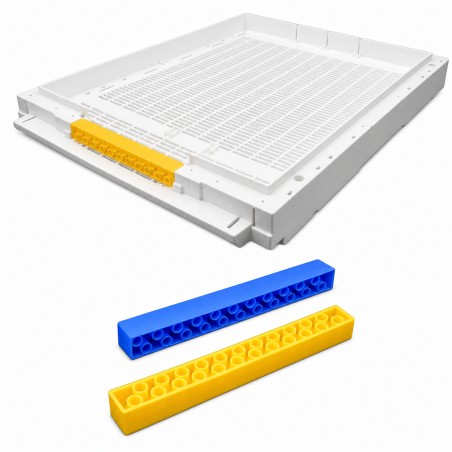
- Durability of small parts. A LockFit floor, an entrance or a cabochon does not rot or warp. And spares cost cents: replacement legs and entrances from €0.59.
- Precision. Moulded parts always fit the same, which wood does not guarantee by the second year.
Where it loses
Bees accept plastic frames less readily than wood with foundation, especially if the comb is cold or the colony is not strong. Drawn frames — which come with the comb already formed — solve part of the problem, but they are still less appealing than new wax.
And plastic cannot be repaired: a hard knock or a crack is the end of the part, whereas a wooden box gets nailed and carries on.
Where it makes most sense to combine
The mix that works best is neither all plastic nor all wood: it is plastic for what gets cleaned and wet — floors, entrances, feeders — and wood with wax for what the bees have to build and live in. That way you get the hygiene without fighting over acceptance.
Frames in every size and material are in their own category, with the wiring and spacer criteria.