
-
Beehives
- Complete beehive
- Accessories
-
Nuc hives
- Nucs by format
- With bees & mating
- Spare parts
-
Bee equipment
- For the apiary
- For the beekeeper
-
Clothing
- Clothing Accessories
-
Beeswax
-
Pure beeswax
- Beeswax and foundation
- Beeswax foundations
- Melting and rolling beewax
-
Pure beeswax
-
Bee feed
- Accessories and source materials
- Utensils
-
Bee health
- Varroa Treatments
- Diseases control
- Nutraceuticals
-
Extraction and bottling
- Before extraction
- Honey extraction
- After extraction
-
Bee pollen
- Harvest
- Indicted
-
Honey packaging
- Flasks per utility
- Flasks by size
- Other packaging
 Apipasta with vitamins 15kg
 Beecomplet® Spring 14Kg
 Beekeeper suit with round veil
 Oxalic acid 1kg
 Beeswax Foundation 5kg
 Fresh royal jelly 20g
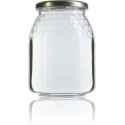 Classic honey jar 1kg comb-lines TO77 - Pack of 16 units
 Promotor L Apis 1 litre
Honey pumps
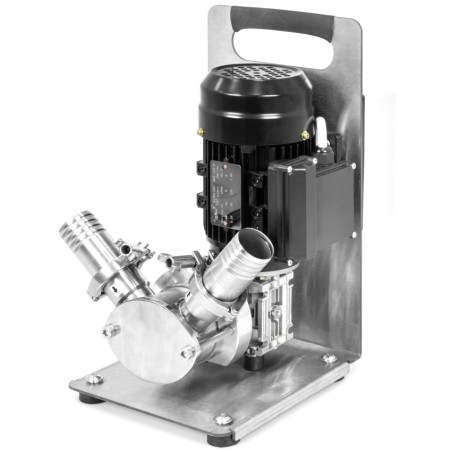
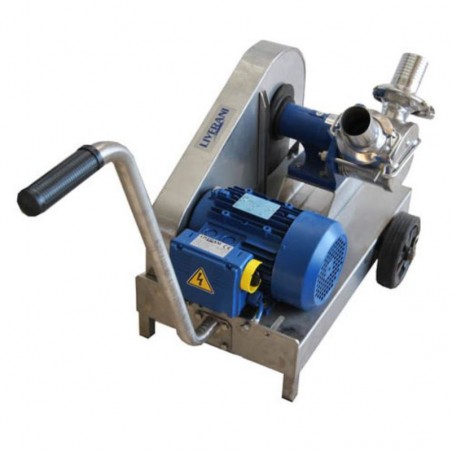
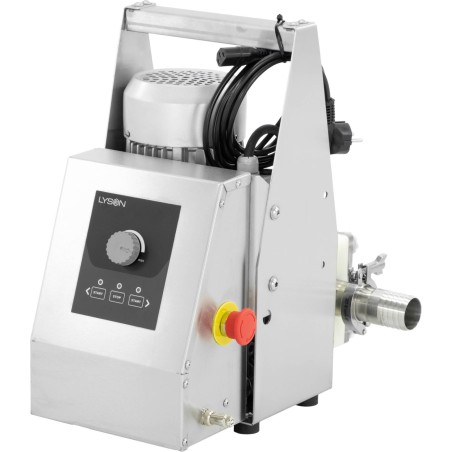
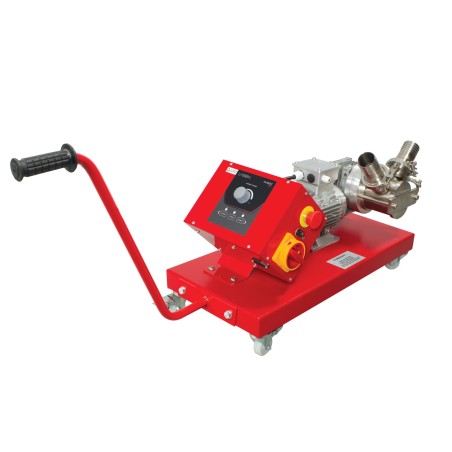
Gear, single-rotor, flexible-impeller, progressive-cavity and peristaltic pumps for transferring honey. Compare flow, connections and power supply against your installation.
Type of pump
Brand
Weight
-
0 kg - 50 kg
Price
-
€9.00 - €4,169.00
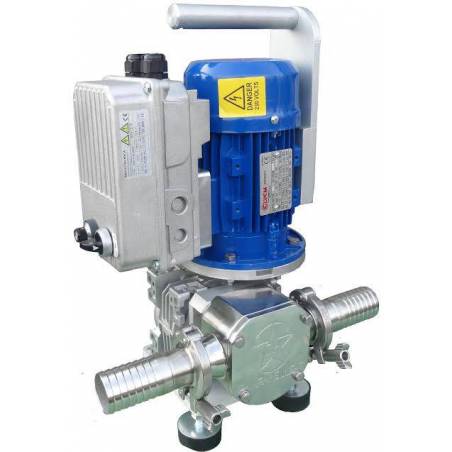







How to choose a honey transfer pump
A transfer pump starts to make sense when moving honey by hand is already costing you time, cleanliness or working pace: going from the extractor to the honey tank, from the tank to the bottling machine or moving honey between drums. But I wouldn't buy a pump just for its flow rate. With honey, viscosity rules: a warm, fluid honey doesn't behave like a cold, dense honey or one prone to crystallizing. If the pump is underpowered or unsuitable, you can end up straining the motor, introducing air into the honey, getting blockages or stopping the room just when you have the most production. For small volumes, I'd first consider whether you can work well by gravity; once there are more kilos, drums or a bottling line, a good pump changes the workday a lot.
My advice is to choose according to the type of work. For routine transfers of filtered honey, a gear, lobe or vane pump can be enough if it's well sized. For denser honeys, more demanding routes or professional use, I'd look at progressive cavity (helical) options. And if you want maximum hygiene and minimal contact between the product and mechanical parts, a peristaltic pump can make sense, although it's a higher investment. Before buying, I'd check above all the variable speed control, food-grade materials, hose diameter, ease of disassembly and cleaning, pumping height/distance and the availability of spare parts. And here I'll take a clear stand: a good pump with bad hoses, poor connections or no level control ends up causing problems. The best pump isn't the most powerful one; it's the one that moves your honey gently, without aerating it, without damaging it and without stopping your workday.
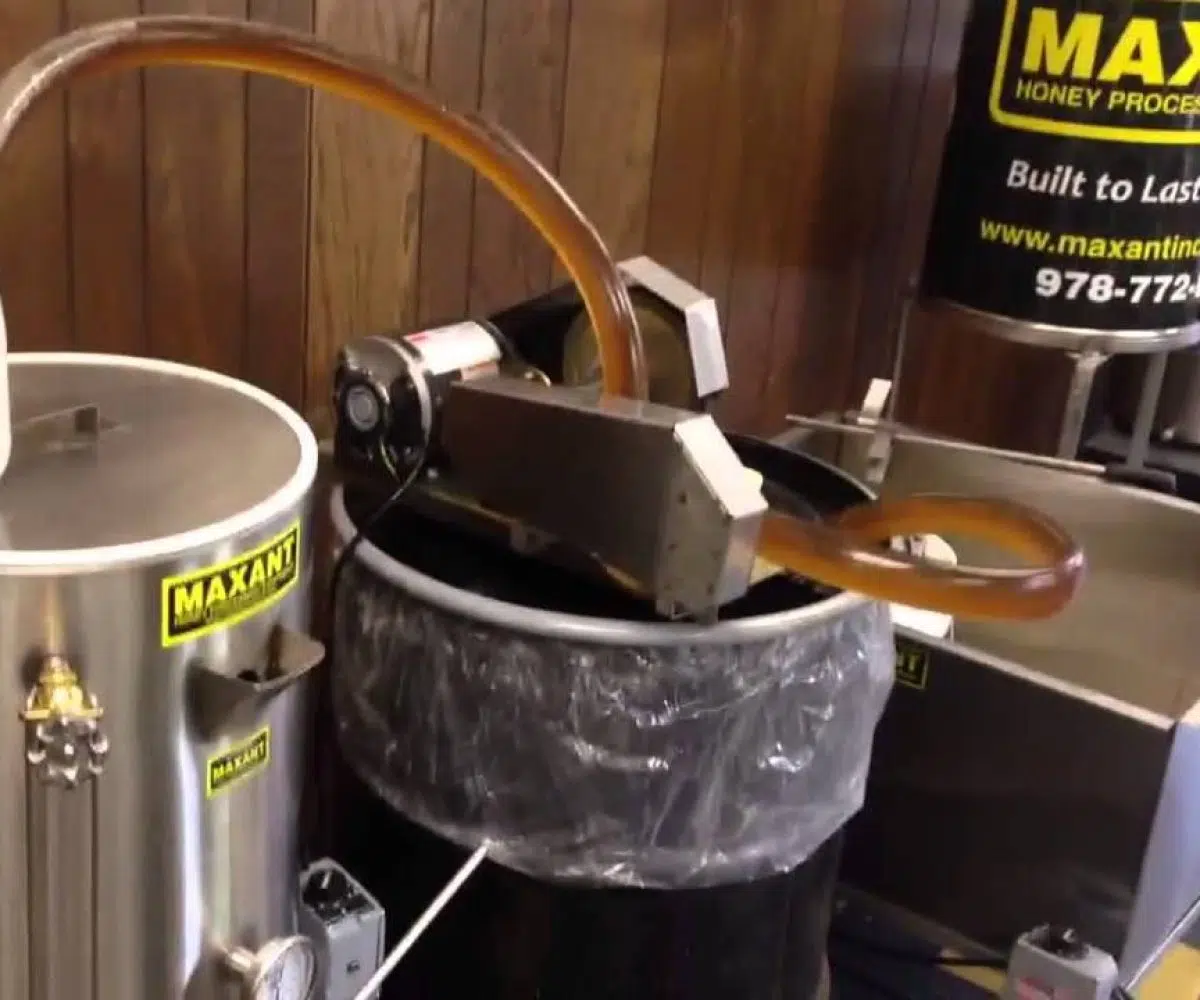
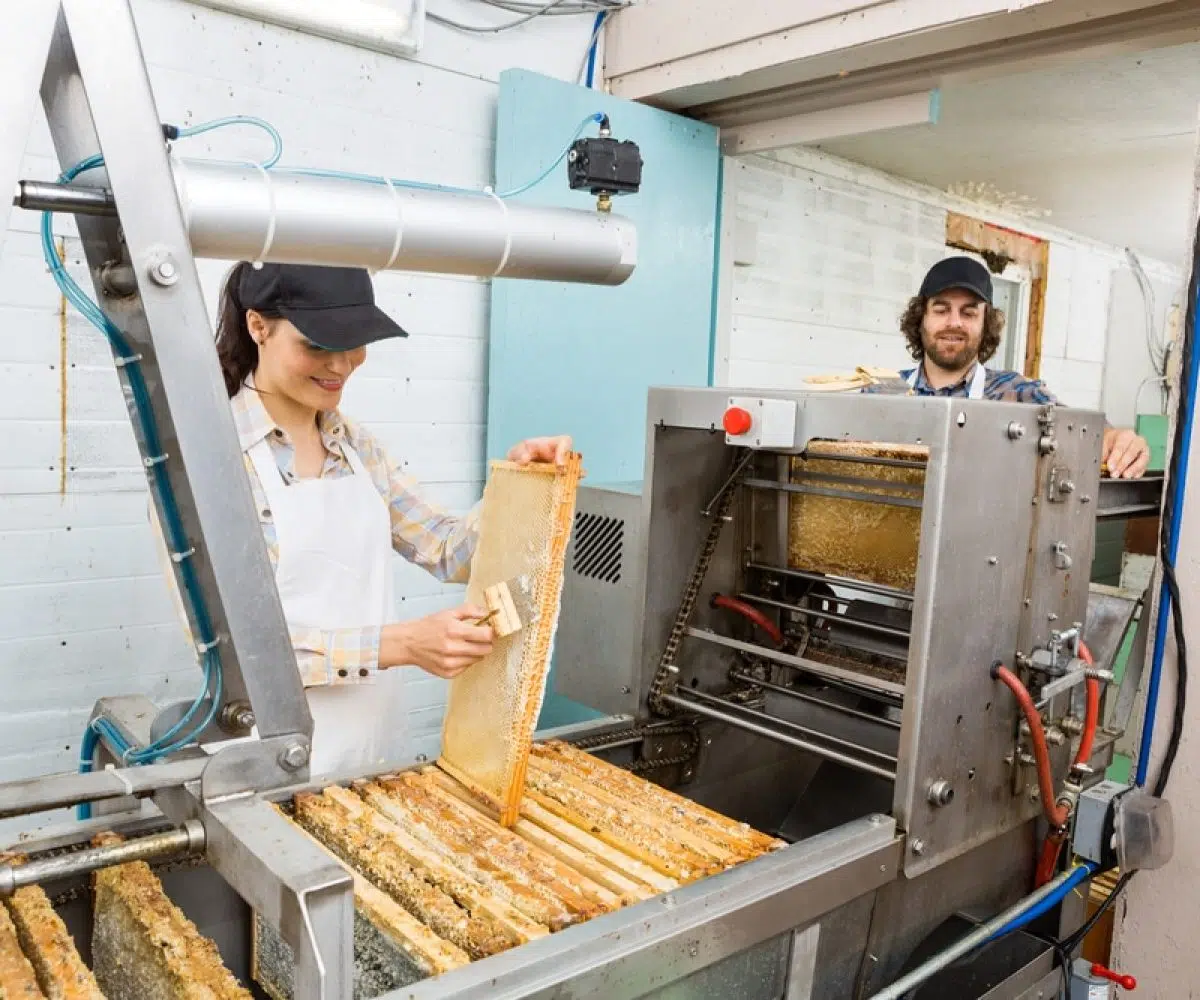
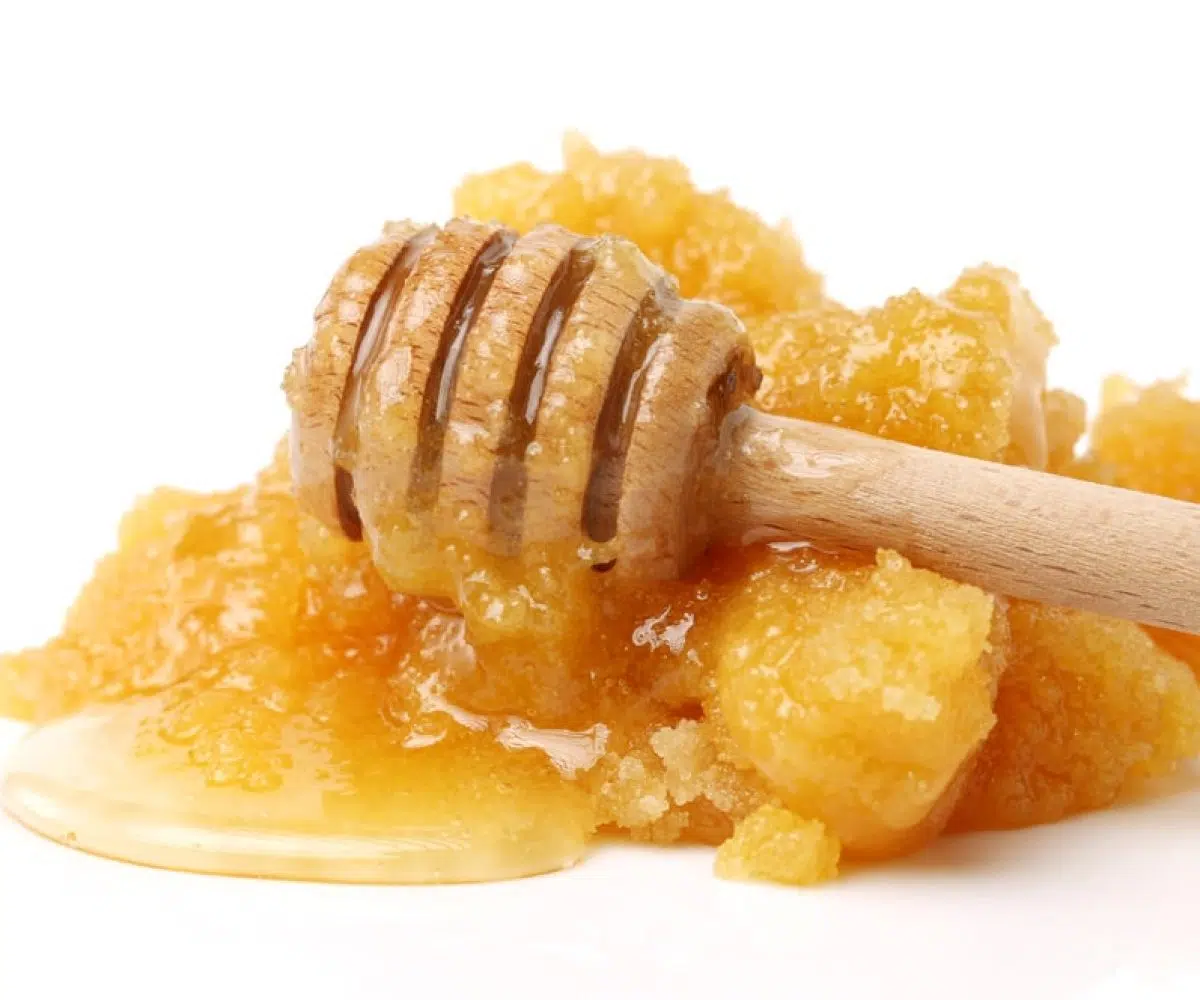
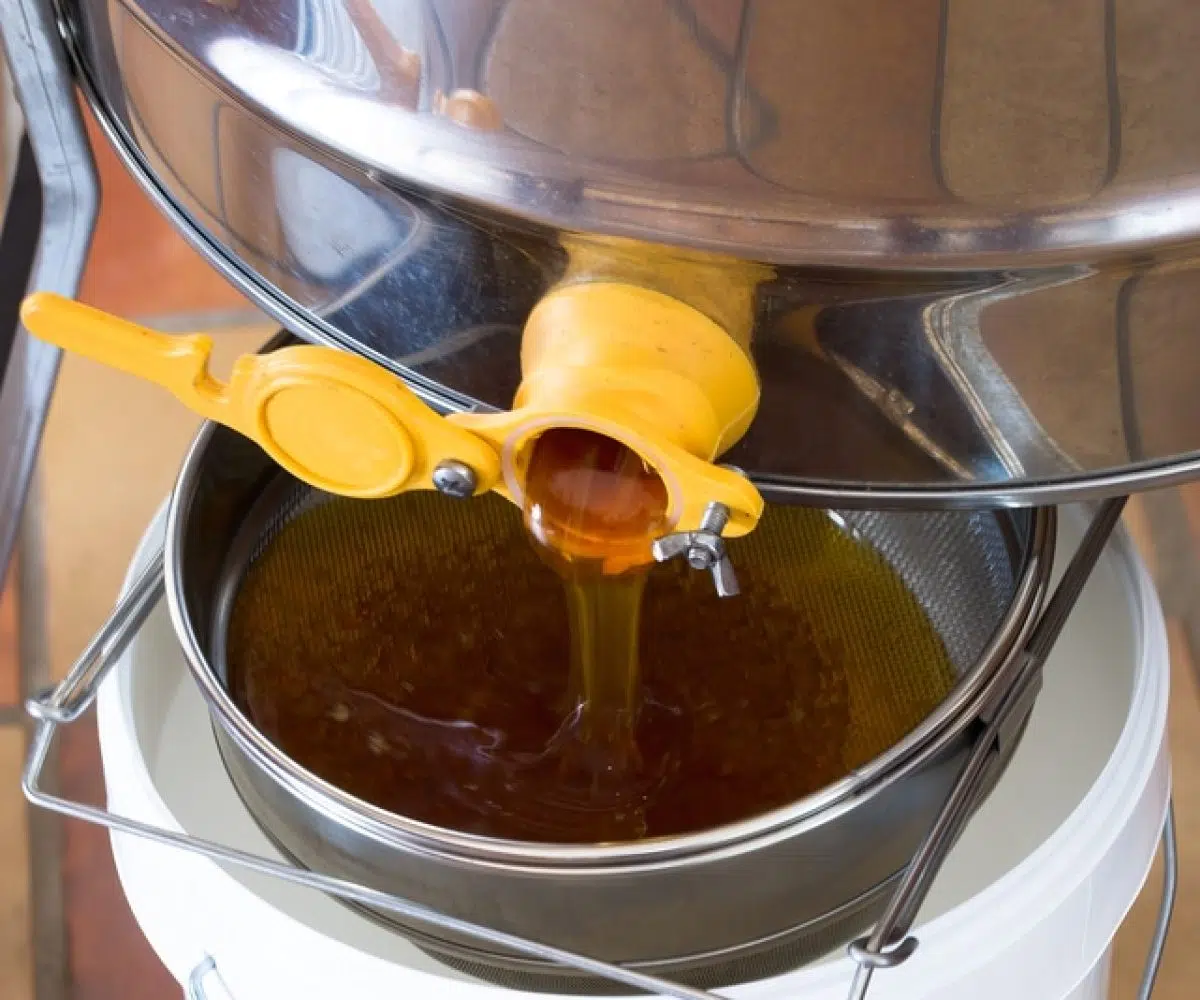
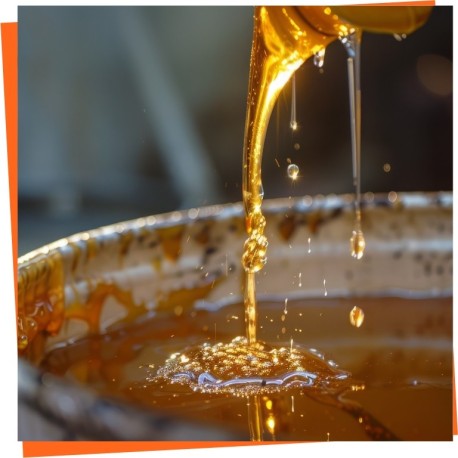
Honey pumps
Ranges with practical differences
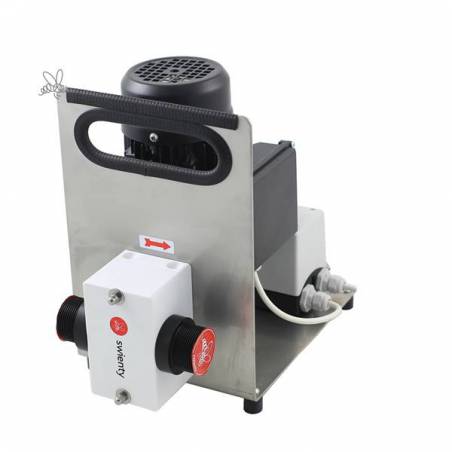
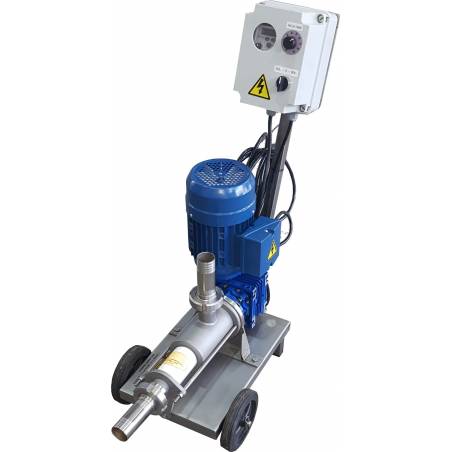
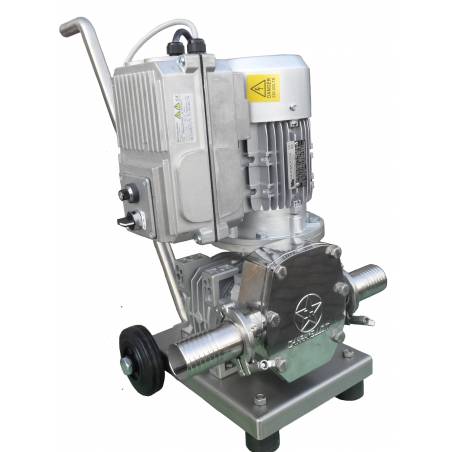
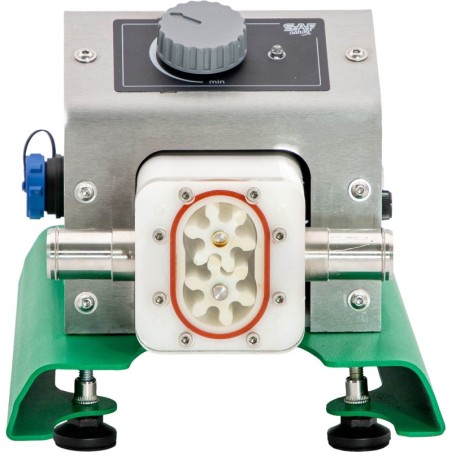
- Compact gear pumps: SAF NATURA SN_HP1 offers up to 100 l/h with speed adjustment and reversible rotation; Swienty 110333 quotes around 350 kg/h depending on viscosity. Compare like units: converting litres to kilograms requires density.
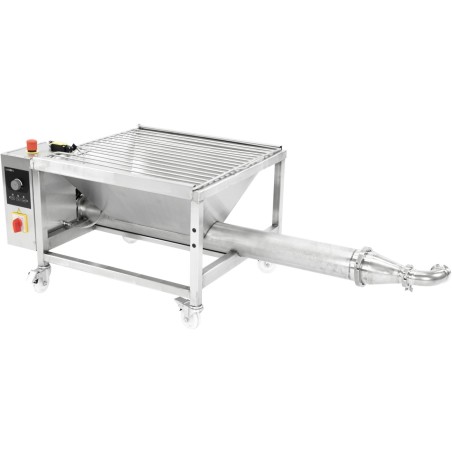
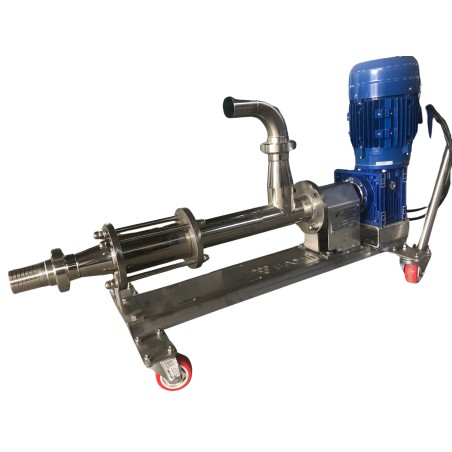
- Single rotor with scraper: Monolobi 60 and Monolobi 100 have declared maxima of 700 and 1,800 l/h, with 40 and 50 mm ports respectively. The 60 manual requires filling the chamber before starting and excludes solid bodies.
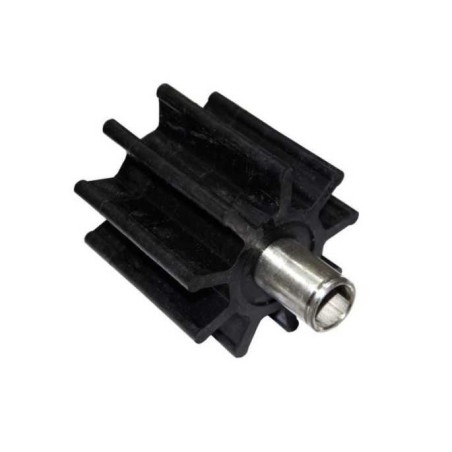
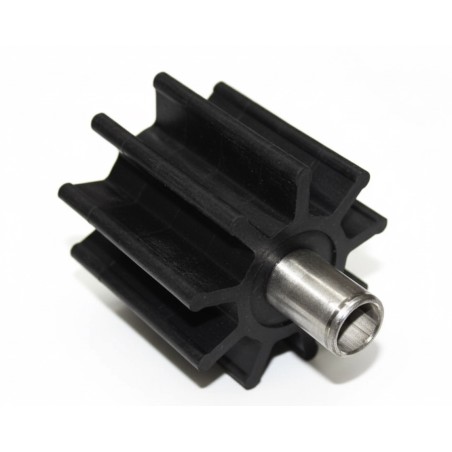
- Flexible impeller: Minor 40 has a 1.5 kW motor and Ø40 Garolla connection in this configuration. Its table’s 6,900 l/h is measured with water at 20 °C, 900 rpm and 0 m head; it is not a honey flow rate.
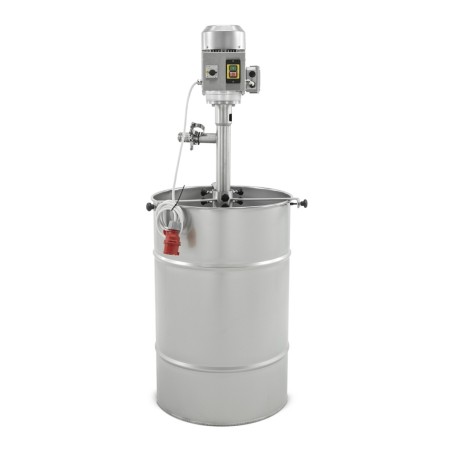
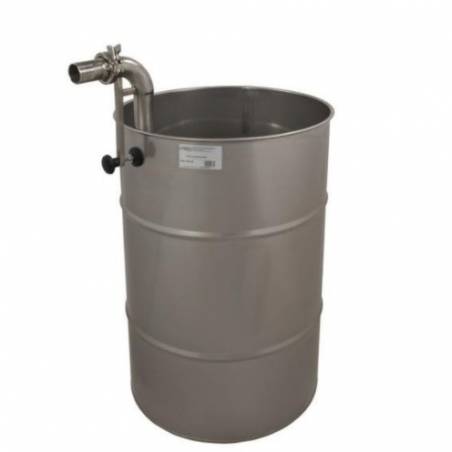
- Pumping from above: LYSON W20210S lowers its pumping section into the tank and requires 400 V. The manual gives 1,500 l/h with honey at 30 °C; its 40 °C curve shows the reduction in flow as lift increases.
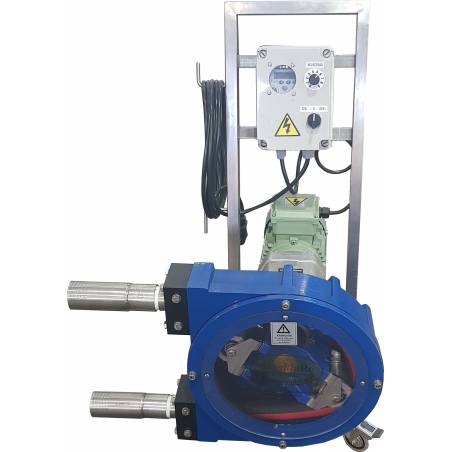
A pump links stages of the honey house: extraction, settling, storage or feeding a filling machine. For honey with cappings, compare equipment specifically rated for that mixture; “progressive cavity” alone does not establish a permitted solid size. With a peristaltic pump, the pumping hose is part of both selection and maintenance.
Calculate the transfer you need
Moving 200 kg in 30 minutes requires an effective transfer rate of 400 kg/h. This calculates your requirement, not a model’s performance. Include set-up and cleaning in your working schedule, then compare outputs stated under conditions relevant to your honey. Annual production or hive count alone does not size a pump.
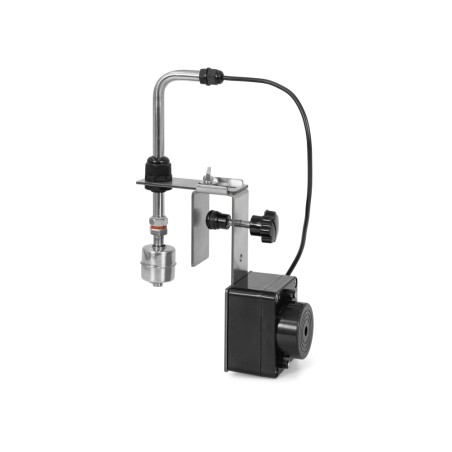
To complete the selection, specify honey temperature and condition, total hose length, lift, hose bore and fitting type. DN40, Ø40 mm and 1½ inch do not by themselves identify the same joint. Also check priming and protection against loss of supply or a closed discharge; these must suit the specific pump and circuit.