
-
Beehives
- Complete beehive
- Accessories
-
Nuc hives
- Nucs by format
- With bees & mating
- Spare parts
-
Bee equipment
- For the apiary
- For the beekeeper
-
Clothing
- Clothing Accessories
-
Beeswax
-
Pure beeswax
- Beeswax and foundation
- Beeswax foundations
- Melting and rolling beewax
-
Pure beeswax
-
Bee feed
- Accessories and source materials
- Utensils
-
Bee health
- Varroa Treatments
- Diseases control
- Nutraceuticals
-
Extraction and bottling
- Before extraction
- Honey extraction
- After extraction
-
Bee pollen
- Harvest
- Indicted
-
Honey packaging
- Flasks per utility
- Flasks by size
- Other packaging
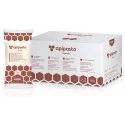 Apipasta with vitamins 15kg
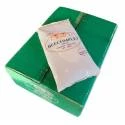 Beecomplet® Spring 14Kg
 Beekeeper suit with round veil
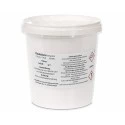 Oxalic acid 1kg
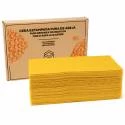 Beeswax Foundation 5kg
 Fresh royal jelly 20g
 Classic honey jar 1kg comb-lines TO77 - Pack of 16 units
 Promotor L Apis 1 litre
Honey Strainers
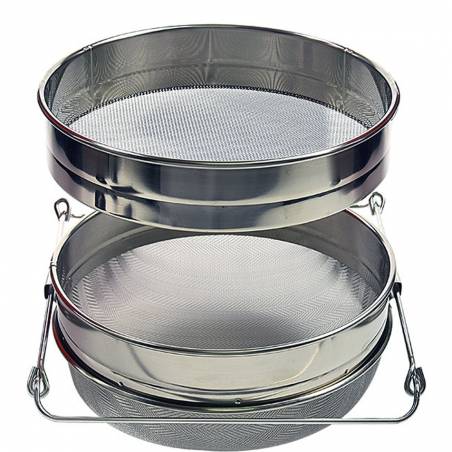
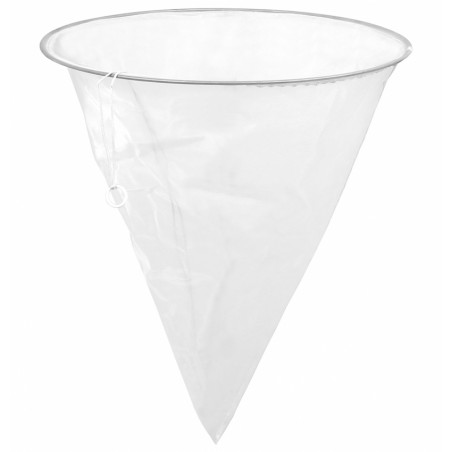
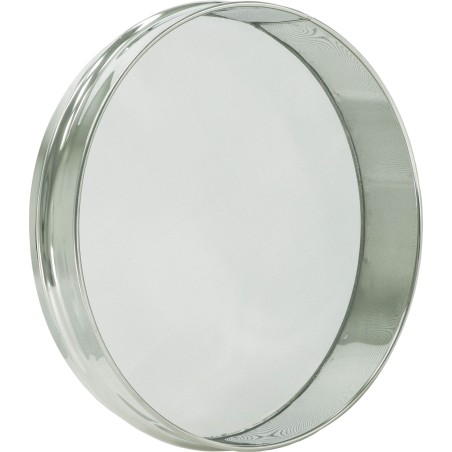
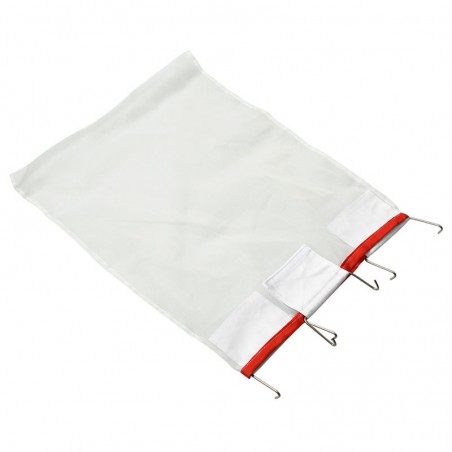
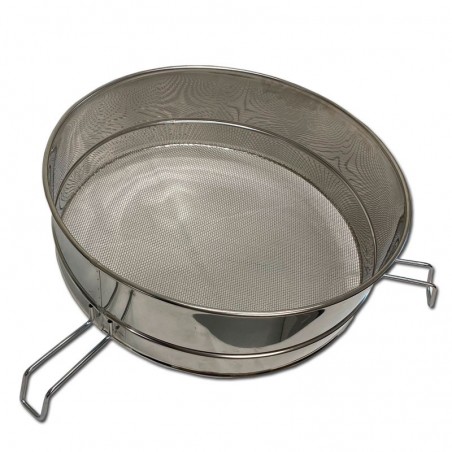
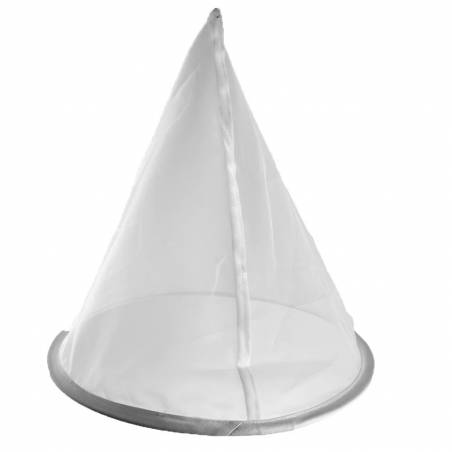
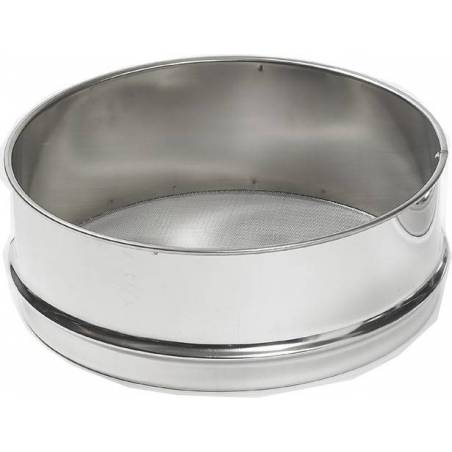
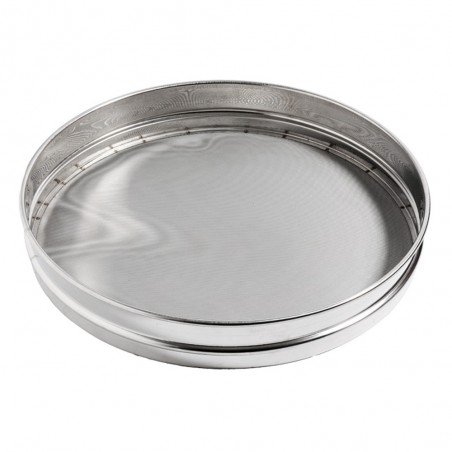
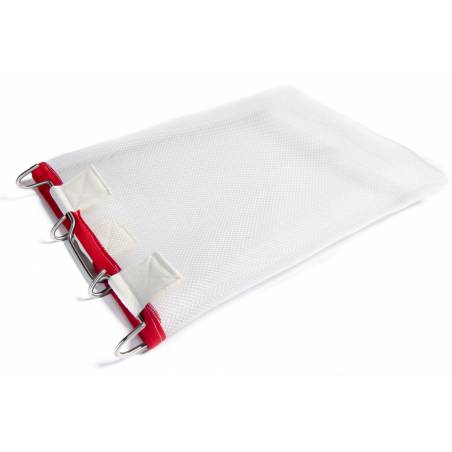
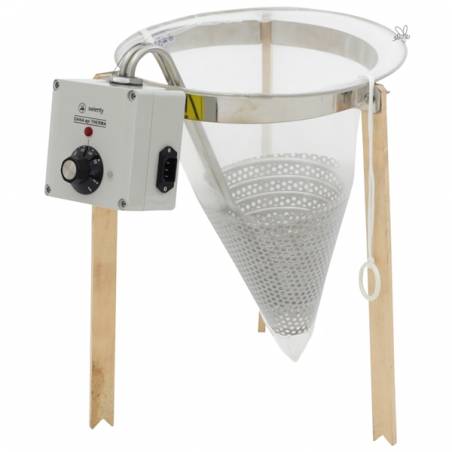
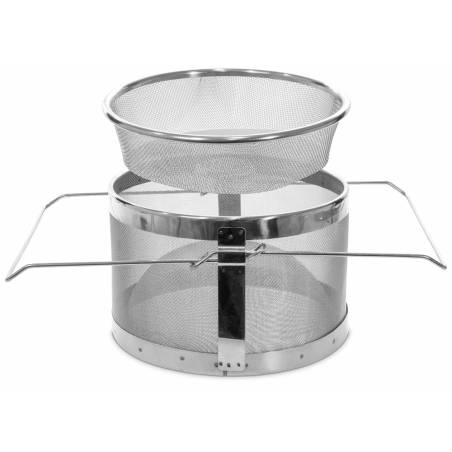
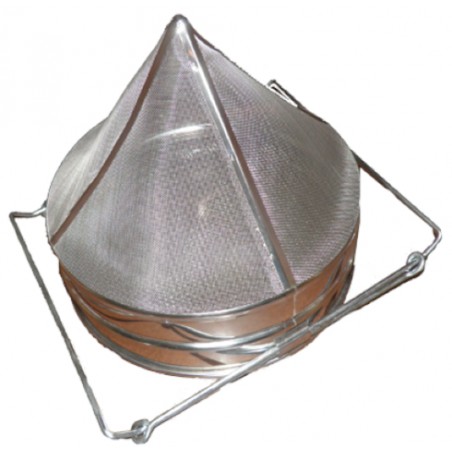
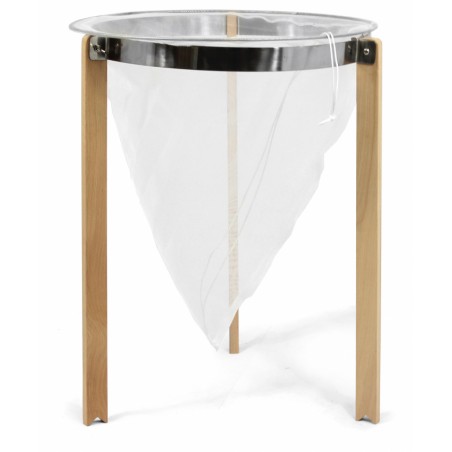
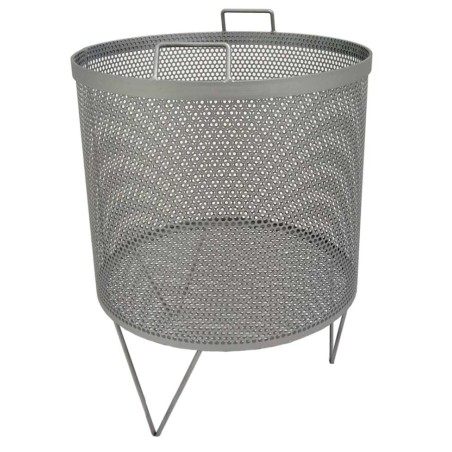
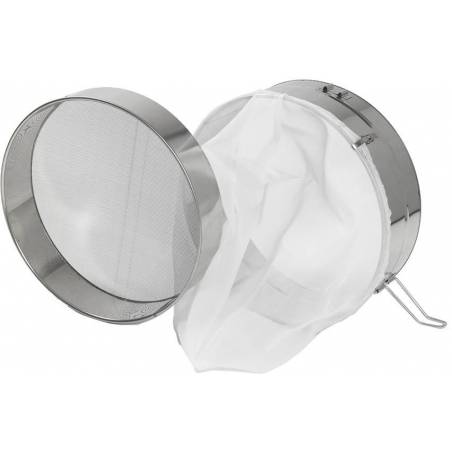
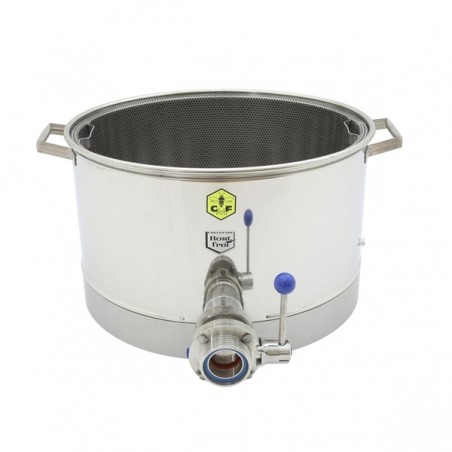
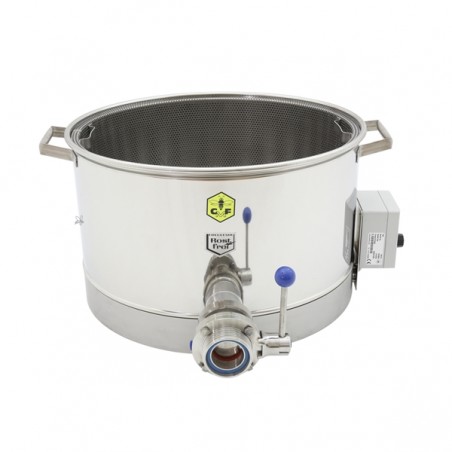
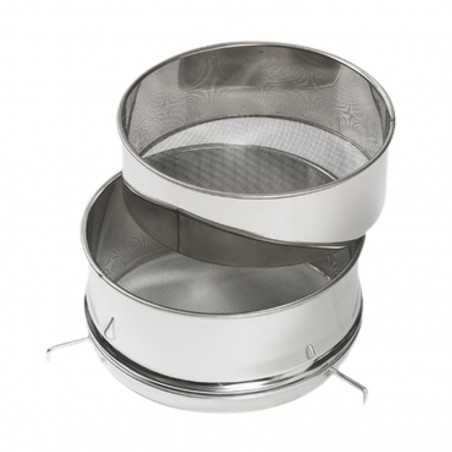
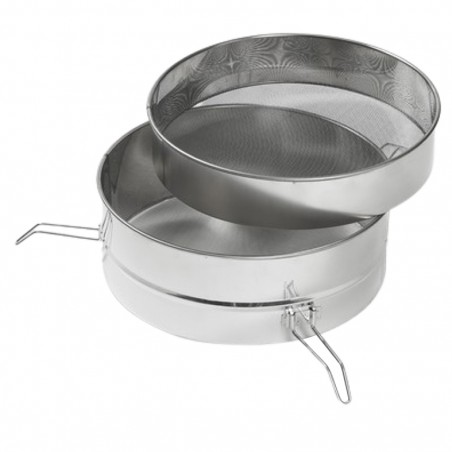
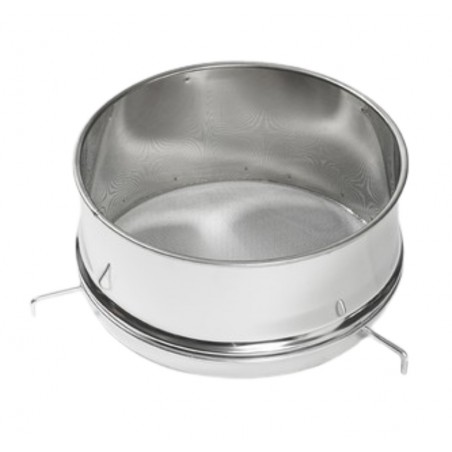
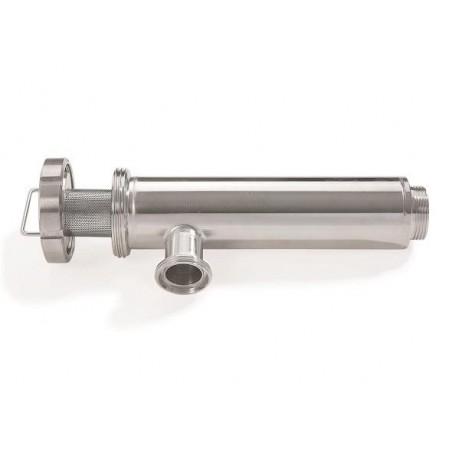
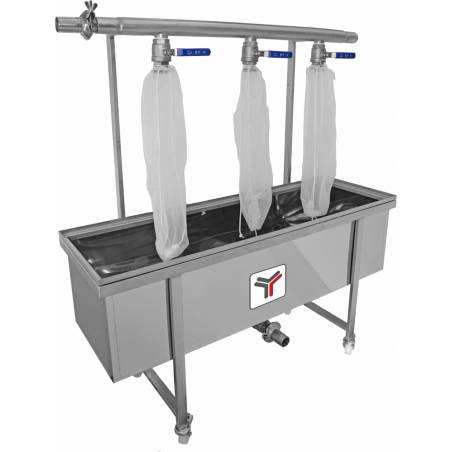
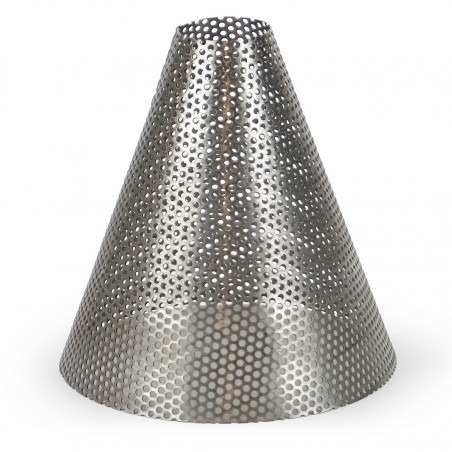
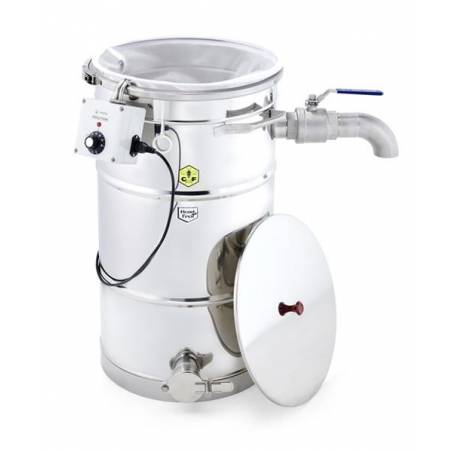
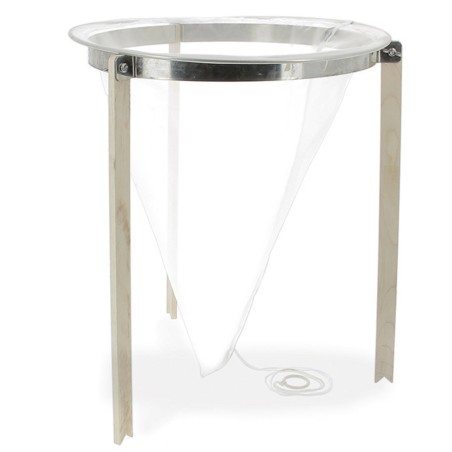
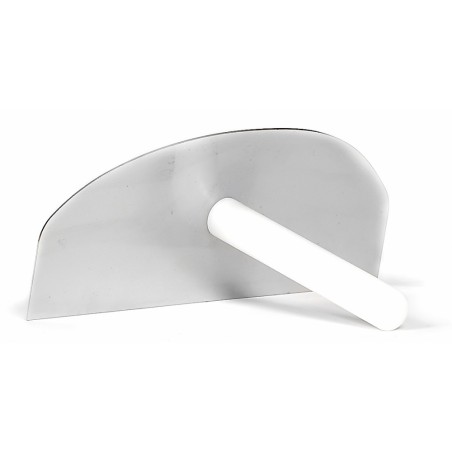
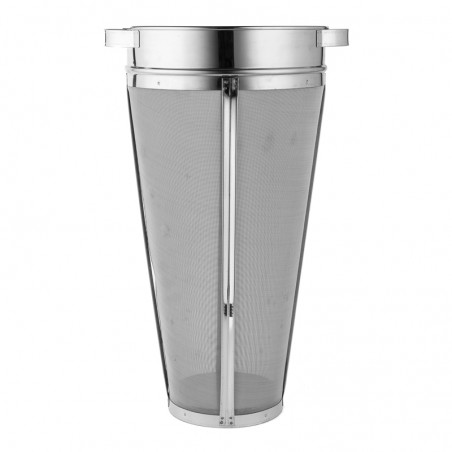
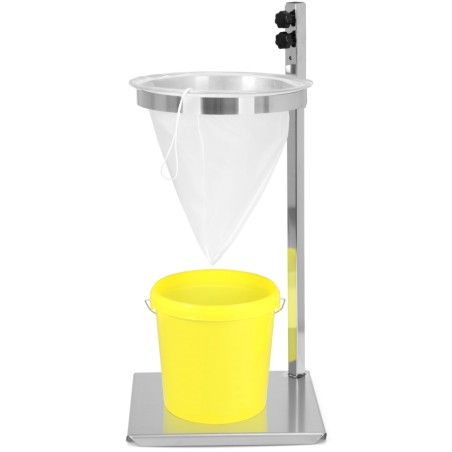
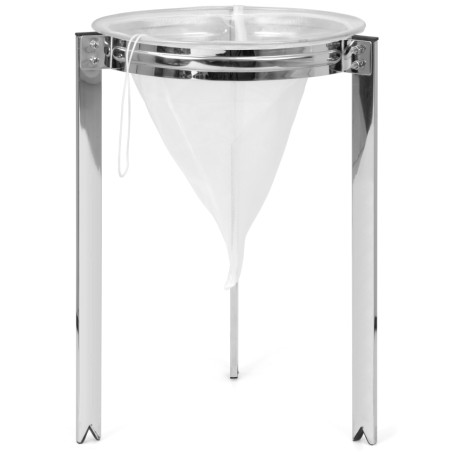
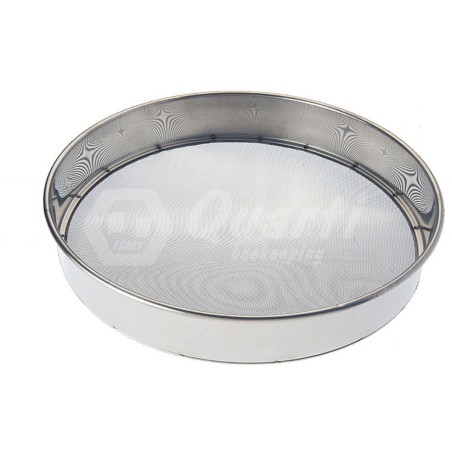
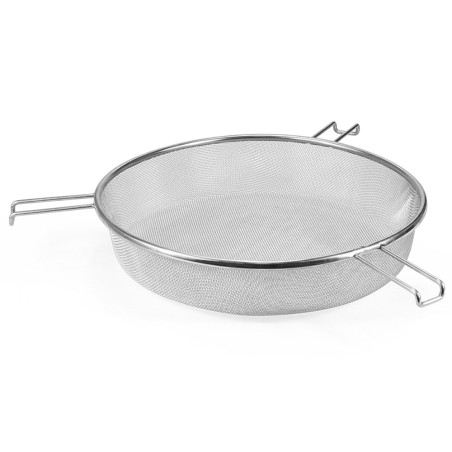
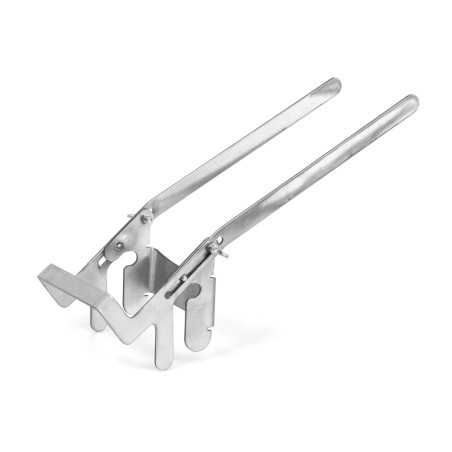
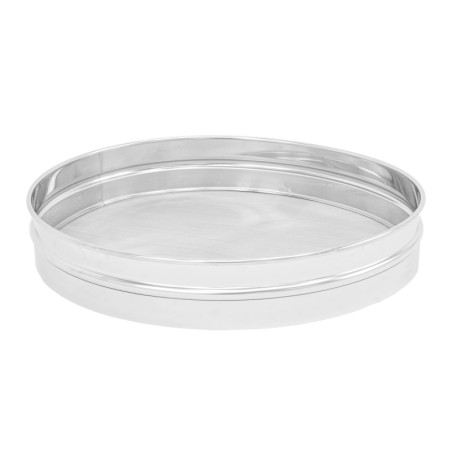
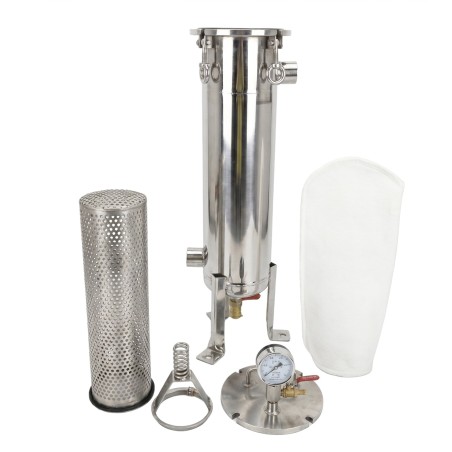
Honey filters and strainers in stainless steel and nylon, from 300 to 1,000 microns, conical, tubular, double-mesh and with a basket for drums. To remove wax and debris, not to «purify».
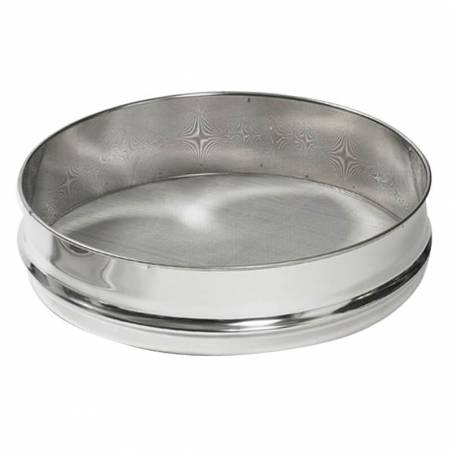
Filter at 0.2 mm and stay there
There is a physical reason for that figure, and it is the one almost nobody explains: pollen grains from Spanish flora measure at most 0.12 mm. With a 0.2 mm mesh they pass through whole, while wax, bee debris and process foam stay behind. In other words, at 0.2 mm you have already removed everything visible and touched nothing that identifies your honey. Going finer does not improve presentation: presentation was already solved.
What does change as you go finer is what you can prove. At 0.06 mm you start losing pollen from identifying plants such as rockrose or strawberry tree. The 0.02 mm proposal doing the rounds would remove around 64 % of indicator plants. And without that pollen you cannot defend a botanical or geographical origin, because you have removed the evidence. My position is the one I argue on the blog: stay between 0.150 and 0.200 mm and keep the legal name of honey with its botanical information intact.
Honey Strainers
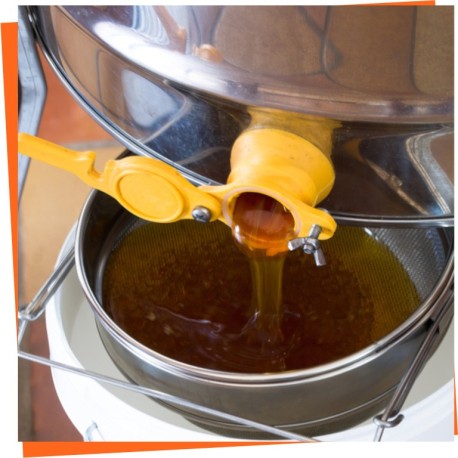
A honey filter does one specific thing, and it is worth saying plainly: it removes wax fragments, bee remains, plant debris and the foam from the process. It improves presentation. That is all, and it is enough.
What it does not do, whatever you may read: it does not purify, it does not remove residues or pesticides, it does not sterilise and it does not improve the nutritional quality of anything. Honey that goes in bad does not come out good for having passed through a mesh.
The mesh size, which is the only thing to choose
- 1,000 microns (coarse) — the first stage, right at the extractor outlet. It holds back the large pieces of capping and wax without slowing the flow.
- 300 microns (fine) — the second stage, before the settling tank. This is where the small material goes, and that is why it clogs sooner: worth having a spare to swap mid-run.
- Double mesh — does both stages in one. Less handling, but it needs cleaning more often.
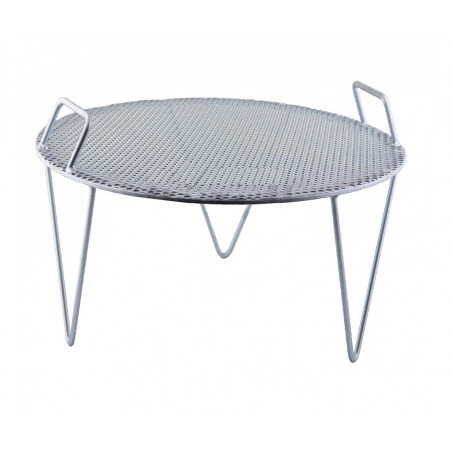
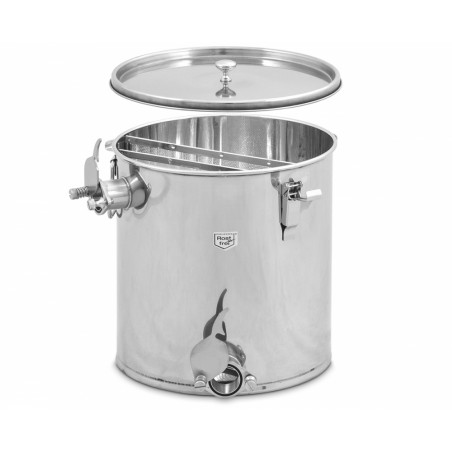
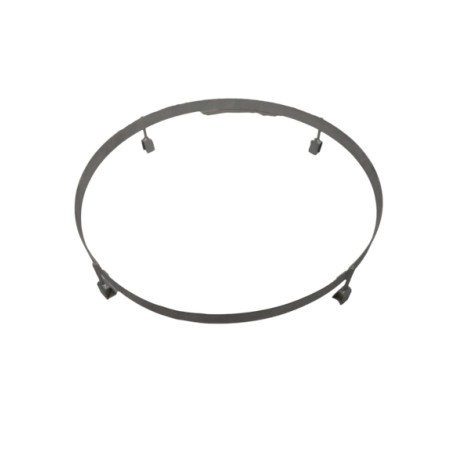
There are conical nylon ones, tubular ones to hang inside the tank, conical baskets for drums and strainers with fixed supports. The shape is decided by where you will put it; the mesh size by which point of the process it sits at.
A legal change already in force
Since 14 June 2026, Spanish RD 68/2025 has amended the honey quality standard. If the process of removing organic and inorganic matter ends up producing a significant removal of pollen, that affects the denomination under which you can sell the product. Over-fine filtering is not only a matter of taste: it can change how you have to label. If you work near that limit, cross-check the decision with the labelling rules before settling on a mesh size.
For most beekeepers this is not a problem: normal workshop filtering — coarse then fine — removes wax and debris without significantly touching the pollen.
What mesh size do I need to filter my honey?
For artisan packing the usual range is 0.5 to 0.2 mm. A 0.2 mm sieve removes visible impurities and keeps the honey's natural pollen: for most beekeepers that is the point to aim at.
Going finer has consequences that are not about looks. Around 0.060 mm you start removing pollen from identifying plants, and at about 0.020 mm so much pollen information is lost that you can no longer defend a botanical or geographical origin: you have removed the evidence. If you sell monofloral, a fine filter takes away your argument.
Does filtering change my honey's denomination?
Yes, and bluntly so. Since 14 June 2026, RD 68/2025 removes «filtered honey» as a presentation: that honey becomes «honey for industrial use». It is not a change of name, it is a different product on the shelf and a different price. This is not a matter of a prettier label — it affects what you can print on the front.
So the filter is not only a workshop decision. Before going below 0.2 mm, look at what your label says and what you are defending with it. And a clarification about what a filter does and does not do: it removes wax, bee parts, plant material and process foam. It does not purify, does not remove residues, does not sterilise, and does not fix badly harvested honey.